
Smart Yachts: Navigating the Digital Transformation at Sea
 ABLUpdated 10 months Ago4 Mins read270
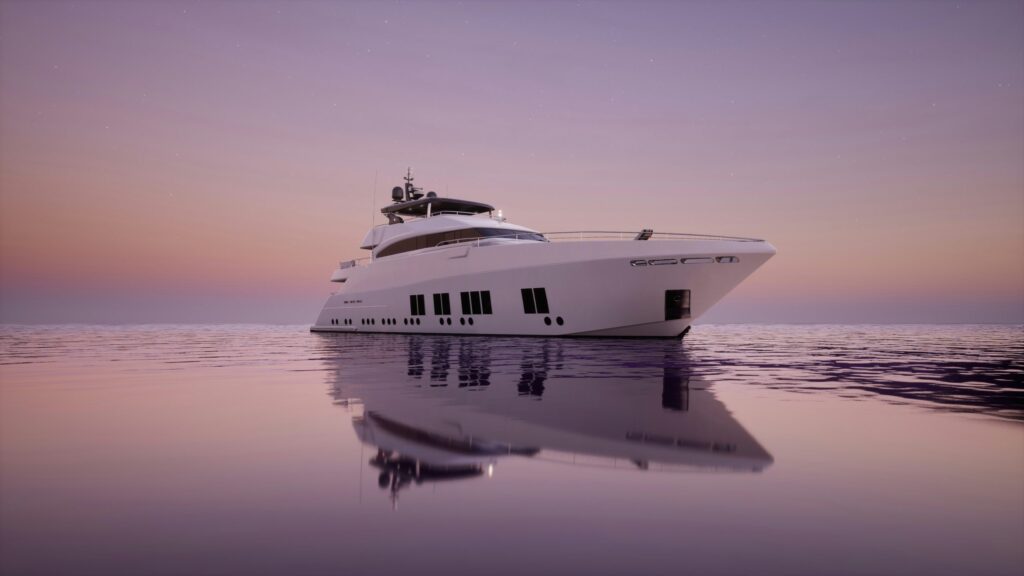
The Technological Renaissance of the Luxury Yachting Industry
The luxury yachting industry is experiencing a technological renaissance that would make Silicon Valley envious. Today’s superyachts are no longer just floating palaces of opulence—they’re sophisticated command centers powered by cutting-edge technology that rivals the most advanced smart cities. From AI-driven navigation systems to IoT-enabled maintenance protocols, the modern yacht represents the pinnacle of maritime innovation.
The Brain of the Beast: Advanced Navigation and Automation
Gone are the days when yacht navigation relied solely on traditional charts and compass readings. Contemporary superyachts integrate multiple layers of intelligent systems that work in harmony to ensure safe, efficient passage through the world’s waters. Advanced radar systems now incorporate machine learning algorithms that can predict weather patterns up to 72 hours in advance, automatically adjusting course recommendations to avoid rough seas or optimize fuel consumption.
Dynamic positioning systems have evolved from basic station-keeping tools to sophisticated platforms that can maintain position within centimeters, even in challenging conditions. These systems utilize GPS, gyroscopes, and thruster control to create what essentially amounts to a maritime autopilot, making docking in tight marinas or maintaining position for water sports activities seamless and stress-free.
The integration of augmented reality (AR) displays in bridge systems represents another leap forward. Captains can now overlay real-time data—including depth charts, traffic information, and weather patterns—directly onto their visual field, creating an enhanced situational awareness that significantly improves safety and decision-making capabilities.
Energy Intelligence: Sustainable Luxury Meets Smart Technology
Modern yachts are embracing energy efficiency through sophisticated power management systems that would be at home in a smart grid. Intelligent battery management systems optimize power distribution between engines, generators, and renewable energy sources like solar panels and wind turbines. These systems continuously monitor energy consumption patterns, automatically switching between power sources to maximize efficiency and minimize environmental impact.
Smart HVAC systems utilize occupancy sensors and predictive algorithms to maintain optimal comfort levels while reducing energy waste. When guest cabins are unoccupied, these systems automatically adjust temperature and ventilation settings, potentially reducing energy consumption by up to 30% compared to traditional manual systems.
Hybrid propulsion systems represent the cutting edge of yacht energy technology. These sophisticated setups can seamlessly transition between diesel engines and electric motors based on operating conditions, speed requirements, and environmental considerations. The result is not just reduced emissions but also significantly quieter operation—particularly valuable for those seeking tranquil anchorages or complying with noise restrictions in sensitive marine environments.
The Connected Yacht: IoT and Remote Monitoring Revolution
The Internet of Things (IoT) has transformed superyachts into floating data centers, with thousands of sensors continuously monitoring everything from engine performance to water quality. These interconnected systems create a comprehensive digital twin of the vessel, enabling predictive maintenance that can identify potential issues before they become costly problems.
Remote monitoring capabilities allow yacht owners and managers to stay connected with their vessels regardless of location. Real-time dashboards provide insights into fuel consumption, system performance, security status, and even onboard inventory levels. This connectivity proves invaluable for yacht management companies, which leverage these advanced monitoring systems to provide comprehensive oversight of their managed fleets.
Biometric security systems have replaced traditional key-based access, offering enhanced security through fingerprint and facial recognition technology. These systems maintain detailed logs of all access events, providing owners with complete visibility into who boards their vessel and when.
Communication Revolution: Keeping the World Connected at Sea
Satellite internet technology has reached a tipping point where high-speed connectivity at sea is no longer a luxury but an expectation. Modern yachts feature multiple redundant internet connections, often combining traditional satellite systems with newer Low Earth Orbit (LEO) constellation services for unprecedented bandwidth and reliability.
Mesh networking systems ensure seamless connectivity throughout the vessel, from the bridge to the furthest guest suite. Advanced Quality of Service (QoS) protocols prioritize critical communications—like navigation and safety systems—while ensuring guests enjoy streaming entertainment and video conferencing capabilities that rival land-based experiences.
Crew communication platforms have evolved beyond simple intercom systems to comprehensive digital ecosystems. These platforms integrate scheduling, maintenance tracking, inventory management, and guest services into unified interfaces accessible via tablets and smartphones throughout the vessel.
Smart Yacht Management: The Digital Command Center
The convergence of these technologies has created new possibilities for yacht management that extend far beyond traditional approaches. Integrated management platforms now provide real-time visibility into every aspect of vessel operations, from fuel efficiency metrics to crew scheduling and guest preferences.
Artificial intelligence plays an increasingly important role in optimizing operations. Machine learning algorithms analyze historical data to predict optimal maintenance schedules, identify the most efficient routes for upcoming voyages, and even suggest provisioning requirements based on guest preferences and trip duration.
An expert yacht management company understands that these technological advances require specialized knowledge to implement and maintain effectively. The complexity of modern yacht systems demands management teams with deep technical expertise alongside traditional maritime skills.
The Human Element in a Digital World
While technology continues to advance at breakneck speed, the most successful yacht operations recognize that technology serves to enhance rather than replace the human element that makes luxury yachting exceptional. Smart systems free up crew members to focus on guest service and safety rather than routine monitoring tasks.
Advanced training simulators now allow crew to practice emergency procedures and system operations in virtual environments, improving competency while reducing risks. Virtual and augmented reality training programs can simulate everything from fire suppression scenarios to complex system maintenance procedures.
Looking to the Horizon: The Future of Smart Yachts
The trajectory of yacht technology points toward even greater integration and autonomy. Blockchain technology is beginning to find applications in supply chain management and digital documentation. Quantum computing, while still in its infancy, promises to revolutionize weather prediction and navigation optimization.
Autonomous systems will likely play larger roles in routine operations, though full autonomy remains years away due to regulatory and technical challenges. The focus remains on augmenting human capabilities rather than replacing them entirely.
The modern superyacht represents a fascinating intersection of luxury, technology, and maritime tradition. As these digital technologies continue to evolve, they promise to make yachting safer, more efficient, and more enjoyable for owners, guests, and crew alike. The key to success lies in thoughtfully integrating these powerful tools while preserving the personal touch that defines the luxury yachting experience.










Euthanization of Rescued Sloth Raises Concerns Over Animal Welfare Practices in Florida
The euthanization of sloth Willow underscores critical issues in animal welfare and...
 1 Mins read

Five Arrested in Alleged Plot to Attack UFC Event at White House
This foiled plot highlights ongoing security challenges in the U.S., raising concerns...
1 Mins read

UFC Freedom 250 Outshines NBA Finals in Global Sports Landscape
The success of UFC Freedom 250 signals a shift in global sports...
1 Mins read


Washington DC Transforms into a UFC Arena Ahead of Historic White House Event
The upcoming White House UFC event symbolizes a shift in political engagement...
1 Mins read
