
S&P Global Downgrades Kering’s Credit Outlook for Gucci from Stable to Negative
 ABLUpdated 1 year Ago2 Mins read492
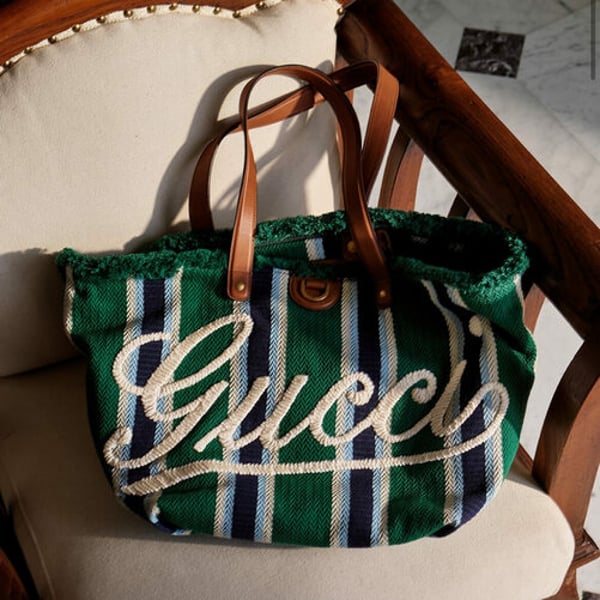
Kering’s Credit Outlook Takes a Hit Amid Declining Sales
In a significant shift for the luxury goods sector, S&P Global has downgraded its credit outlook for Kering S.A., the French luxury conglomerate known for its prestigious brands, including Gucci. The ratings agency moved the outlook from stable to negative, citing a troubling decline in sales during the first half of 2025. This development raises concerns about Kering’s market position and future growth prospects.
Declining Sales and Market Performance
Kering’s flagship brand, Gucci, has been a cornerstone of the company’s financial success, contributing over half of its core earnings (EBITDA) last year. However, recent reports indicate that sales for Gucci have plummeted by 25% in the first half of 2025. This downturn is particularly alarming given the brand’s historical significance in the luxury market.
The decline is not limited to Gucci alone; Kering’s overall performance has faltered, especially in key markets such as the Asia-Pacific region and China, where revenue has dropped by 22% year-on-year. This trend reflects a broader weakening of consumer demand for luxury apparel, which has been exacerbated by economic uncertainties and changing consumer preferences.
Comparison with Competitors
S&P analysts noted that Kering has underperformed compared to its peers in the luxury sector, including industry giants like LVMH, Dior, and Hermès. These competitors have managed to navigate the challenging market conditions more effectively, raising questions about Kering’s strategic direction and operational execution.
The luxury market is notoriously competitive, and Kering’s struggles highlight the challenges faced by brands that fail to adapt to shifting consumer behaviors and economic landscapes. As luxury consumers become more discerning, brands must innovate and resonate with their target audiences to maintain relevance.
Credit Ratings and Future Outlook
Despite the negative outlook, S&P has maintained Kering’s long-term issuer credit rating at BBB+, which is situated at the lower end of the high-grade ratings spectrum. This rating reflects Kering’s established market presence but also underscores the pressures the company faces in its operating performance.
The negative outlook indicates that Kering’s rating headroom has diminished, primarily due to ongoing operational challenges and execution risks associated with the company’s turnaround initiatives. The luxury goods market is currently subdued, and Kering’s ability to navigate this environment will be crucial for its future stability.
Leadership Changes and Strategic Initiatives
In a bid to revitalize the brand and improve its market position, Kering has appointed Luca de Meo as its new CEO. De Meo, who previously led the Renault Group, is set to take office in mid-September. His appointment comes at a critical time for Kering, as the company seeks to implement strategic initiatives aimed at reversing its declining sales and enhancing brand appeal.
De Meo’s experience in the automotive industry may bring fresh perspectives to Kering’s operations, but the luxury sector presents unique challenges that require a nuanced understanding of consumer behavior and market dynamics. His leadership will be closely scrutinized as Kering embarks on its turnaround journey.
Conclusion
Kering’s recent credit outlook downgrade serves as a wake-up call for the luxury goods group, highlighting the urgent need for strategic realignment and innovation. As the company navigates a challenging market landscape, the effectiveness of its new leadership and initiatives will be pivotal in determining its future trajectory. The luxury sector remains dynamic, and Kering’s ability to adapt will ultimately dictate its success in reclaiming its position among the industry’s elite.









Discover the Newest Waterproof Gadgets that Come on Sale
I understand how that could positively effect your body, but alchemizing means...
ABL2 Mins read
Quiet Luxury Accessories Market Reaches Record High
The Rise of Quiet-Luxury Accessories: A Comprehensive Market Analysis In recent years,...
ABL2 Mins read

Consumer Harm is Escalating as Luxury Goods Sales Surge via Live Broadcasts on Platforms like Facebook and TikTok
Crackdown on Trademark Infringement in Live Broadcasting: A Growing Concern In recent...
ABL2 Mins read


Italian Regulators Criticize Luxury Brand Cucinelli for Russia Claims
Allegations Against Brunello Cucinelli: A Closer Look at the Controversy Shares in...
ABL2 Mins read
