
Wealthy Americans Flock to Europe to Escape U.S. Tariffs
 ABLUpdated 12 months Ago2 Mins read348
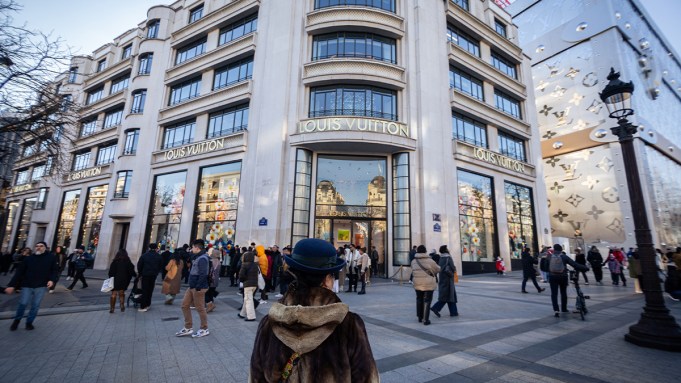
The Luxury Shopping Exodus: How Tariffs Are Driving American Shoppers to Europe
In recent months, affluent American consumers have been making headlines for a surprising reason: they are traveling to Europe to bypass the tariffs imposed by the U.S. government on luxury goods. This trend has sparked a significant increase in transatlantic shopping trips, as high-end shoppers seek to capitalize on lower prices abroad.
The Impact of Tariffs on Luxury Goods
The tariffs introduced during President Trump’s administration have had far-reaching effects on the luxury market. American shoppers are now facing steep price increases on a variety of luxury items, from designer clothing to high-end watches. As a result, many are opting to travel to Europe, where they can find these goods at more favorable prices. According to recent reports, interest in European shopping trips has surged, with many affluent consumers eager to avoid the financial ramifications of these tariffs.
Popular Shopping Destinations
Certain European cities have emerged as hotspots for American shoppers looking to snag luxury items without the added costs. Milan, Paris, and Madrid are at the forefront of this trend, attracting consumers with their renowned shopping districts and luxury boutiques. Jack Ezon, a travel expert from Embark Beyond, noted that trips focused on shopping have increased by 48% this summer compared to last year. These cities, part of the European Union, were recently subjected to a 15% levy on luxury goods, but prices still remain lower than in the U.S., making them attractive destinations for savvy shoppers.
Switzerland: A Unique Case
Switzerland, while not part of the European Union, has also seen a spike in American shoppers. The country is facing a staggering 39% tariff on luxury goods, one of the highest imposed by the U.S. This has created a unique situation where American consumers are flocking to Switzerland to purchase luxury watches and other high-end items. Travel advisor Erica Jackowitz reported that clients are planning trips specifically to buy Swiss timepieces, such as the coveted Patek Philippe Nautilus, in hopes of avoiding additional tariff fees.
The Shift in Availability
The tariffs have not only affected prices but have also influenced the availability of certain luxury products in the U.S. Some independent watchmakers have decided to stop exporting their goods to the American market altogether, confident that their clientele will travel abroad to make purchases. This shift underscores the significant impact tariffs have had on the luxury retail landscape, prompting consumers to adapt their shopping habits.
Navigating Customs and Tariffs
While traveling abroad offers the allure of lower prices, American shoppers must navigate the complexities of customs regulations upon their return. Travelers are required to declare any items purchased overseas, which could lead to additional tariffs when re-entering the U.S. However, even with these potential fees, luxury goods in Europe are often priced lower than their American counterparts. Moreover, travelers can benefit from VAT (value-added tax) refunds on their purchases, sometimes recouping more than 15% of the total cost.
Conclusion
The trend of affluent American shoppers heading to Europe to avoid tariffs on luxury goods highlights the intricate relationship between international trade policies and consumer behavior. As tariffs continue to shape the luxury market, it remains to be seen how this will affect both American consumers and European retailers in the long run. For now, the allure of European shopping remains strong, as savvy shoppers seek to make the most of their investments in luxury items.









Discover the Newest Waterproof Gadgets that Come on Sale
I understand how that could positively effect your body, but alchemizing means...
ABL2 Mins read
Quiet Luxury Accessories Market Reaches Record High
The Rise of Quiet-Luxury Accessories: A Comprehensive Market Analysis In recent years,...
ABL2 Mins read

Consumer Harm is Escalating as Luxury Goods Sales Surge via Live Broadcasts on Platforms like Facebook and TikTok
Crackdown on Trademark Infringement in Live Broadcasting: A Growing Concern In recent...
ABL2 Mins read



Italian Regulators Criticize Luxury Brand Cucinelli for Russia Claims
Allegations Against Brunello Cucinelli: A Closer Look at the Controversy Shares in...
ABL2 Mins read
