
Does Luxury Generate Profit? A Look at Sha Tech’s Recent Success
 ABLUpdated 9 months Ago3 Mins read176
The Rise of ‘In-Kind’ Luxury Goods: A New Investment Frontier
In recent years, luxury goods have transcended their traditional role as mere status symbols, emerging as viable investment assets akin to real estate and gold. Brands like Chanel, Rolex, and Cartier are not just coveted for their aesthetics; they are increasingly recognized for their potential to appreciate in value. This article explores the burgeoning trend of luxury goods as investment vehicles, particularly among the MZ generation, and examines the dynamics of this market.
The Concept of ‘Sha Tech’
The term "Sha Tech" has gained traction, combining luxury brands with financial technology to signify a new investment paradigm. Unlike typical consumer goods that depreciate immediately after purchase, certain luxury items have shown a remarkable ability to appreciate over time. This trend is particularly evident among high-demand brands like Chanel, Louis Vuitton, and Hermes, which have seen their resale values soar due to factors such as scarcity, brand prestige, and limited editions.
Celebrity Endorsements and Success Stories
The allure of luxury goods as investments is further amplified by celebrities who share their success stories. For instance, model and broadcaster Lee Hyun-yi purchased a Chanel bag for approximately 1.9 million won, which has since appreciated to between 8 million and 10 million won in the resale market. This dramatic increase highlights the potential for significant returns on investment in luxury goods.
Similarly, broadcaster Jang Young-ran revealed that a Chanel bag gifted to her 16 years ago has quadrupled in value, now estimated at around 18 million won. These stories resonate with the MZ generation, who are increasingly looking for alternative investment strategies beyond traditional stocks and bonds.
The Investment Potential of Luxury Bags
Luxury bags, particularly those from iconic brands, have become a focal point for investors. The concept of "Sha Tech" emphasizes that these bags are not just fashion statements but also strategic investments. The appreciation in value is often driven by limited availability and high demand, making them attractive for long-term investment.
Jessica, a former member of Girls’ Generation, has also embraced this trend, showcasing her extensive collection of Chanel bags on YouTube. She notes that the bags she purchased over the years have significantly increased in value, reinforcing the idea that luxury items can serve as effective investment vehicles.
The Rise of Luxury Watches: ‘Roll Tech’
While luxury bags are gaining popularity as investment assets, high-end watches are also making waves in the investment community. Brands like Rolex, Patek Philippe, and Audemars Piguet are often referred to as "Roll Tech" and "C-Tech." These timepieces are not only functional but also serve as status symbols that appreciate in value over time.
Actor Kim Sung-eun shared her experience with a Rolex watch gifted by her husband 15 years ago, which has now appreciated to around 25 million won. The rarity and brand prestige of luxury watches contribute to their increasing value, making them a compelling option for investors.
The Risks of Luxury Investment
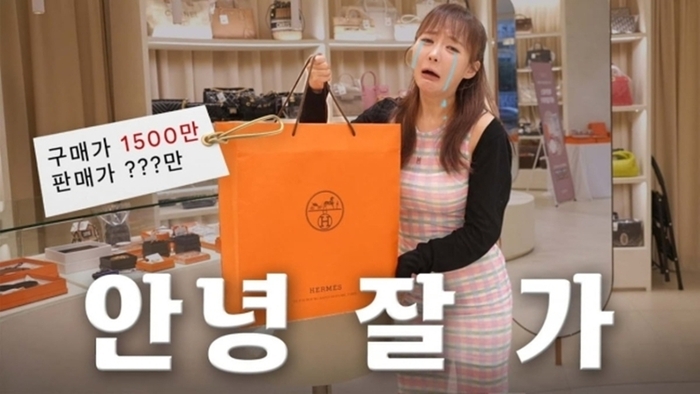
Despite the promising returns associated with luxury goods, potential investors must tread carefully. Not every luxury item will appreciate in value, and some may even depreciate. A beauty influencer recently shared her disappointment after having her luxury bags appraised, revealing that some items did not meet her expectations in terms of resale value.
Factors such as model scarcity, color, and brand reputation play crucial roles in determining the investment potential of luxury goods. For instance, a black Chanel bag may command a higher price than a less popular color. Therefore, a strategic approach is essential for anyone looking to invest in luxury items.
Conclusion: A New Era of Investment
The rise of ‘in-kind’ luxury goods as investment assets marks a significant shift in how we perceive luxury consumption. As the MZ generation embraces "Sha Tech" and "Roll Tech," luxury items are being viewed not just as symbols of wealth but as viable financial investments. While the potential for profit is enticing, it is crucial for investors to conduct thorough research and consider various factors before diving into this market.
As investment opportunities diversify, luxury goods are carving out a niche alongside traditional assets like real estate and gold. For those willing to navigate the complexities of this market, the rewards can be substantial, making luxury goods an intriguing option for modern investors.










Euthanization of Rescued Sloth Raises Concerns Over Animal Welfare Practices in Florida
The euthanization of sloth Willow underscores critical issues in animal welfare and...
 1 Mins read

Five Arrested in Alleged Plot to Attack UFC Event at White House
This foiled plot highlights ongoing security challenges in the U.S., raising concerns...
1 Mins read

UFC Freedom 250 Outshines NBA Finals in Global Sports Landscape
The success of UFC Freedom 250 signals a shift in global sports...
1 Mins read



Washington DC Transforms into a UFC Arena Ahead of Historic White House Event
The upcoming White House UFC event symbolizes a shift in political engagement...
1 Mins read
