
Italian Regulators Criticize Luxury Brand Cucinelli for Russia Claims
 ABLUpdated 9 months Ago2 Mins read377
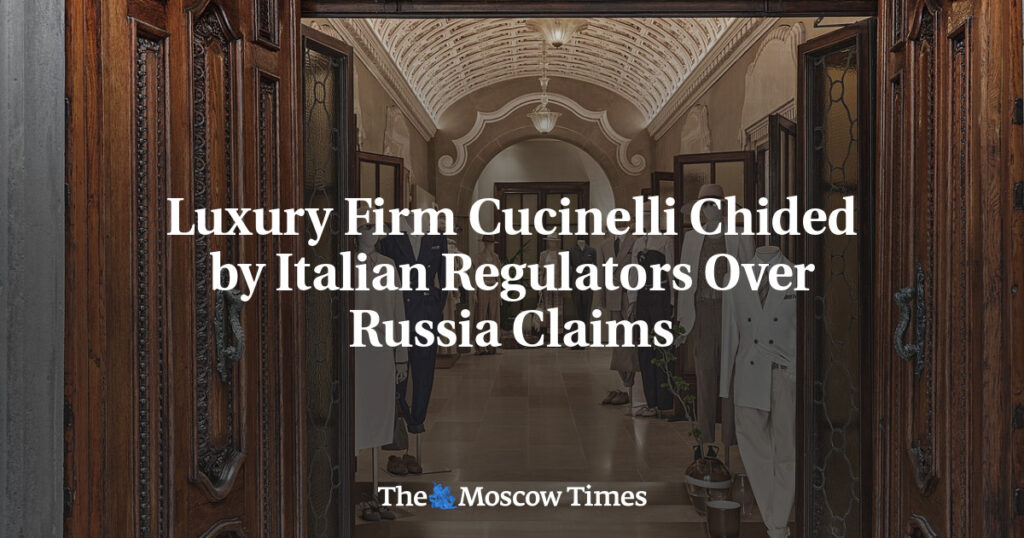
Allegations Against Brunello Cucinelli: A Closer Look at the Controversy
Shares in the renowned Italian luxury group Brunello Cucinelli faced a temporary suspension on Thursday following serious allegations that the company misled shareholders regarding its operations in Russia, potentially violating European Union sanctions. This incident has raised significant concerns about corporate governance and compliance in the luxury goods sector.
Background of the Company
Founded in 1978 in the picturesque region of Umbria, Brunello Cucinelli has built a reputation for its high-quality cashmere products and a unique "humanist" approach to capitalism. The brand emphasizes ethical business practices, focusing on the well-being of its employees and the communities in which it operates. However, the recent allegations have cast a shadow over its commitment to these principles.
The Allegations
The trading suspension was prompted by a report from London-based Morpheus Research, which followed an initial investigation by the investment fund Pertento. The report accused Cucinelli of continuing to sell luxury goods in Russia, thereby allegedly breaching EU sanctions that prohibit the export of luxury items valued over 300 euros ($350) following Russia’s invasion of Ukraine in 2022.
Morpheus Research claimed that Cucinelli had "blatantly disregarded European law" and pointed out inconsistencies in the company’s public statements regarding its operations in Russia. The report suggested that while Cucinelli spokespersons claimed stores were closed or that staff were only providing advisory services, evidence indicated that boutiques in Moscow remained operational and were selling high-value items.
Financial Implications
The financial fallout from these allegations was immediate. After the trading suspension was lifted, Cucinelli’s shares plummeted by more than 17% on the Milan stock exchange. This sharp decline reflects investor concerns about the company’s compliance with international regulations and the potential long-term impact on its reputation and financial performance.
Interestingly, both Pertento and Morpheus disclosed that they had established short positions in Cucinelli shares, betting on a decline in the stock’s value. This raises questions about the motivations behind the allegations and whether they were influenced by financial interests.
Cucinelli’s Response
In response to the allegations, Brunello Cucinelli firmly denied any wrongdoing, asserting that it is in "full compliance" with EU sanctions. The company stated that its staff provides assistance services within showrooms upon customer request, using products that were legally shipped to Russia prior to the sanctions. Cucinelli emphasized that inspections by the Italian Customs Agency had confirmed its adherence to all relevant procedures.
The company also highlighted the necessity of maintaining some level of operations in Russia to generate resources for sustaining salaries and rents, indicating a complex balancing act between ethical business practices and financial viability.
The Broader Context
The situation surrounding Brunello Cucinelli is emblematic of the challenges faced by luxury brands in navigating geopolitical tensions and regulatory frameworks. While many competitors have withdrawn from the Russian market in response to the sanctions, Cucinelli’s continued operations have drawn scrutiny and criticism.
As the luxury goods sector grapples with the implications of international conflicts, companies must carefully consider their strategies and the potential repercussions of their actions. The Cucinelli case serves as a cautionary tale about the importance of transparency and compliance in maintaining investor trust and brand integrity.
Conclusion
The unfolding controversy surrounding Brunello Cucinelli highlights the intricate relationship between business ethics, compliance, and financial performance in the luxury sector. As the company navigates these allegations, its future will depend not only on its legal standing but also on its ability to restore confidence among shareholders and consumers alike. The luxury market is watching closely, as the outcome of this situation could have lasting implications for the industry as a whole.










Discover the Newest Waterproof Gadgets that Come on Sale
I understand how that could positively effect your body, but alchemizing means...
ABL2 Mins read
Quiet Luxury Accessories Market Reaches Record High
The Rise of Quiet-Luxury Accessories: A Comprehensive Market Analysis In recent years,...
ABL2 Mins read

Consumer Harm is Escalating as Luxury Goods Sales Surge via Live Broadcasts on Platforms like Facebook and TikTok
Crackdown on Trademark Infringement in Live Broadcasting: A Growing Concern In recent...
ABL2 Mins read


Bernard Arnault Invests in Rodeo Drive with New Flagship Stores for Tiffany and Louis Vuitton
Rodeo Drive: The Heart of Luxury Retail Rodeo Drive in Beverly Hills,...
ABL2 Mins read
