
The Canvas Revolution: Transforming Venetian Art in the 16th Century
 ABLUpdated 3 months Ago2 Mins read118

The Emergence of Canvas
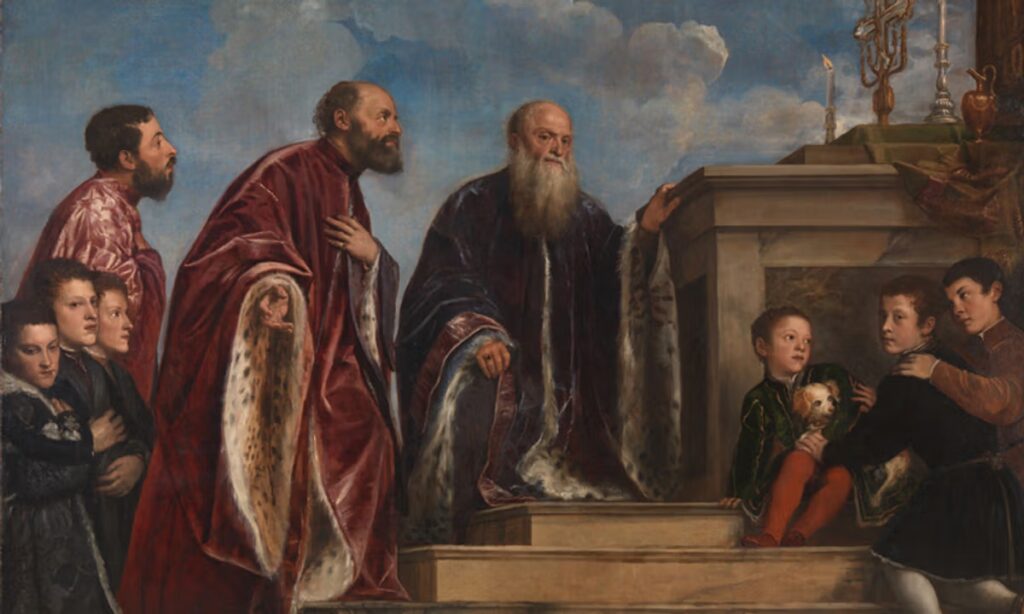
In the vibrant artistic scene of 16th-century Venice, a pivotal innovation emerged that would forever alter the trajectory of painting: the adoption of canvas as a primary medium. This transition marked a significant departure from the traditional wood panels that had dominated European art for centuries. As artists began to experiment with this new material, they unlocked a realm of creative possibilities that would enhance both the technical and emotional depth of their works.
Rethinking Artistic Techniques
The introduction of canvas allowed artists to explore new techniques and styles, leading to a transformation in their creative processes. Unlike wood, canvas offered a lighter and more flexible surface, enabling greater freedom of movement and expression. This newfound versatility facilitated the development of looser brushwork and more dynamic compositions. Artists such as Titian, Tintoretto, and Veronese seized upon these opportunities, pushing the boundaries of what was possible in painting.
Cultural and Economic Impacts
The adoption of canvas was not merely an aesthetic choice; it was also deeply interwoven with the cultural and economic fabric of Venice. The city’s status as a major trade hub meant that artists had access to a variety of materials, including high-quality linen and cotton, which were essential for crafting durable canvases. This accessibility democratized art-making, allowing a broader range of artists to experiment with and master the medium.

Rarity and Market Significance
As canvas paintings gained popularity, they began to hold significant market value. The rarity of certain works, especially those created by renowned artists, contributed to their desirability among collectors. The shift to canvas also encouraged the production of larger-scale paintings, which became focal points in both public and private collections. Collectors began to recognize the investment potential of these works, further fueling the market dynamics surrounding Venetian art.
The Legacy of Canvas in Venetian Art
The legacy of canvas in Venetian art extends far beyond the 16th century. This innovation set a precedent that influenced generations of artists across Europe, leading to the widespread acceptance of canvas as a preferred medium. The emotional resonance and technical precision achieved through canvas painting established a new standard for artistic expression, one that continues to inspire contemporary creators. In the context of today’s art market, understanding the historical significance of canvas is crucial for collectors aiming to appreciate the depth and provenance of their acquisitions.
Reflections in Miami’s Art Scene
As Miami continues to establish itself as a global art destination, the echoes of Venice’s canvas revolution resonate within the city’s vibrant art community. Local galleries and collectors are increasingly drawn to the narratives behind historical pieces, recognizing the importance of provenance and materiality. The legacy of canvas invites a deeper engagement with the stories that artworks tell, enriching the collector’s experience and enhancing the cultural dialogue within this dynamic city.
Editorial note: This article was created by A Bit Lavish Miami’s Magazine as an original editorial reinterpretation based on publicly available reporting. Original source: theartnewspaper.com. Read the original article here: https://www.theartnewspaper.com/2026/05/05/how-the-adoption-of-canvas-in-venice-changed-the-way-artists-painted.
Images are used for editorial reference with source credit. If an image requires correction or removal, please contact A Bit Lavish.









Exploring the Digital Renaissance: Venice Biennale’s Bold Embrace of Digital Art
Uncover the transformative power of digital art showcased at the Venice Biennale,...
 2 Mins read

A Tribute to the Guardians of Culture: Standing Firm in the Face of Adversity
Exploring the importance of institutional integrity in art, the role of international...
2 Mins read

Controversy in the Hamptons: The Legal Battle Over a Monumental Sculpture
Explore the intriguing legal dispute surrounding a towering sculpture in East Hampton,...
2 Mins read



Elvira Dyangani Ose: A New Vision for Cape Town’s Zeitz MoCAA
Elvira Dyangani Ose is set to bring her unique artistic vision to...
2 Mins read
