
Empowering Innovation: The Next Generation of Changemakers in AI
Redefining Possibilities
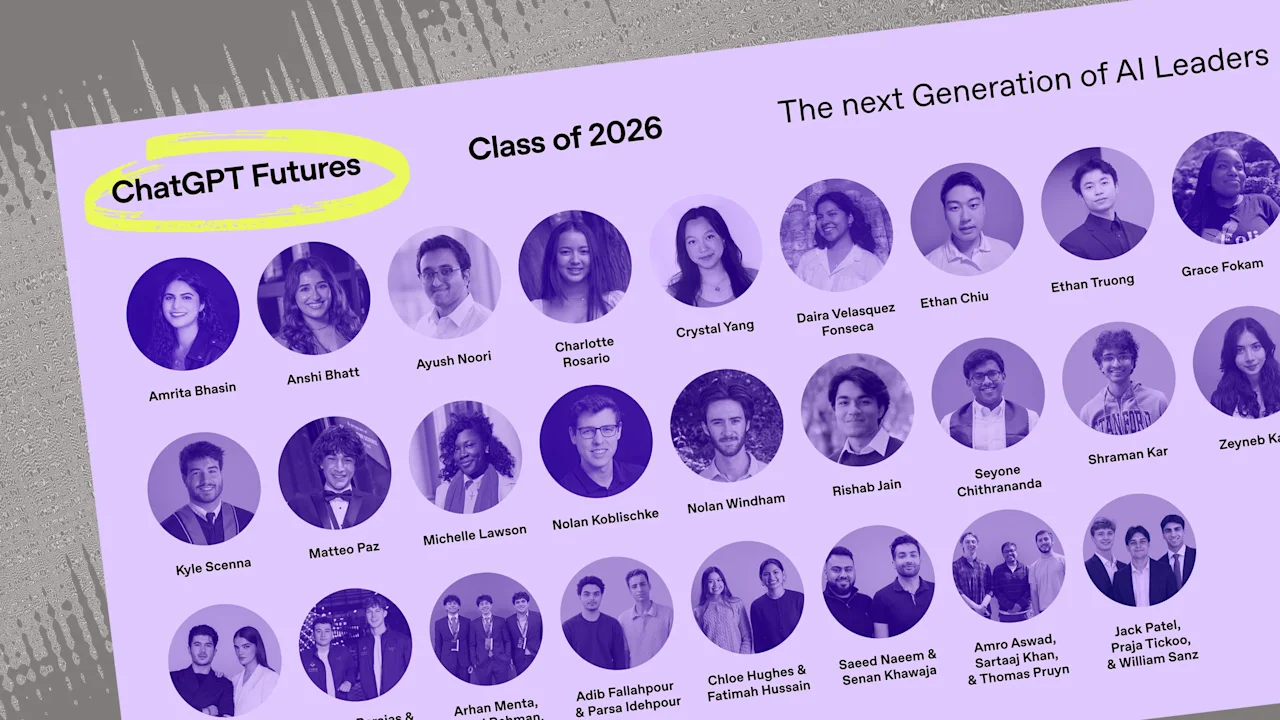
In an era where artificial intelligence permeates various aspects of our lives, a new generation of innovators is emerging, driven by a passion for using technology to make a difference. Among these trailblazers is Crystal Yang, a University of Pennsylvania student whose journey began with a love for the word puzzle game, Wordle. Faced with the challenge of making gaming accessible for a blind friend, Yang’s vision sparked the creation of Audemy, a nonprofit dedicated to developing audio-based games for the visually impaired. Her story exemplifies how AI can serve not just as a tool, but as an enabler of profound social change.
A New Era of Educational Tools
Yang’s nonprofit has already produced over 50 games designed for audio interaction and is currently in the process of developing an accessible gaming console that incorporates audio and tactile features, with functionality that transcends the need for Wi-Fi. This endeavor highlights a significant shift in the educational landscape, particularly as students like Yang harness AI to enhance their capabilities. With tools that can automate coding tasks, simulate user research, and assist in design processes, AI is rapidly becoming an integral component of the creative toolkit.
Celebrating Visionary Minds
Yang is among 26 recipients of the prestigious $10,000 ChatGPT Futures grant awarded by OpenAI, a program aimed at recognizing young innovators who are leveraging AI for positive societal impact. This initiative is particularly noteworthy given that the current cohort of university students has grown up in a world where AI tools like ChatGPT have been readily available throughout their academic journeys. Leah Belsky, head of education at OpenAI, emphasizes that these students are not only utilizing AI to realize ambitious projects but are also expanding the realm of possibilities for what can be achieved.
Innovations Across Disciplines
The spectrum of projects developed by grant recipients underscores the diverse applications of AI. From designing robots for space missions to developing methods for disaster recovery through advanced technology, these initiatives span a multitude of fields. For instance, Ayush Noori, a Rhodes Scholar at the University of Oxford, is pioneering a graph AI model named Proton to generate hypotheses surrounding neurological diseases. His personal motivations, shaped by a family experience with a neurodegenerative illness, add a layer of poignancy to his work, which has already shown promise in drug candidate identification for conditions like Alzheimer’s disease.
Fostering a Thriving Educational Ecosystem
As AI continues to reshape the educational landscape, concerns regarding its overuse and potential to inhibit critical learning processes have arisen. Critics argue that reliance on AI tools could lead to diminished skill development and a lack of trust between students and educators. However, Belsky’s observations from campus visits reveal a different narrative, one where students are utilizing AI to embark on initiatives that empower them beyond traditional educational frameworks. The aim is to create an educational ecosystem that actively promotes agency, allowing students of all backgrounds to access opportunities that previously remained out of reach.
Collaboration and Community Engagement
The symbiotic relationship between AI and human collaboration is crucial. While AI can streamline various processes, the heart of innovation remains rooted in teamwork and collective effort. Both Yang and Noori acknowledge the importance of human involvement in their projects, with Yang leading a team of volunteer developers and Noori collaborating with fellow researchers. This collaborative spirit not only enhances the quality of their work but also reinforces the notion that AI should complement human ingenuity rather than replace it.
A Vision for the Future
As the ChatGPT Futures honorees prepare to visit OpenAI to showcase their projects, the potential for these young innovators to inspire others is immense. Belsky expresses hope that recipients will utilize their awards not only to advance their initiatives but also to engage and motivate peers. By championing the transformative power of AI, they are poised to shape a future where technology fosters creativity, inclusivity, and social responsibility.
In the vibrant cultural tapestry of Miami, where innovation meets diversity, the stories of Yang, Noori, and their peers resonate deeply. Their journeys underscore the importance of fostering an environment where young minds can explore, experiment, and ultimately, redefine what is possible with technology. As Miami continues to emerge as a hub for tech entrepreneurship and creative solutions, the impact of these young visionaries could be profound, paving the way for a brighter, more inclusive future.
Editorial note: This article was created by A Bit Lavish Miami’s Magazine as an original editorial reinterpretation based on publicly available reporting. Original source: fastcompany.com. Read the original article here: https://www.fastcompany.com/91539141/students-receive-10000-prizes-from-openai-for-innovative-use-of-ai.
Images are used for editorial reference with source credit. If an image requires correction or removal, please contact A Bit Lavish.










Navigating the New Frontier: Leadership in the Age of Agentic AI
Explore how leaders can reclaim agency in a world increasingly driven by...
 3 Mins read

From Layoffs to Rehires: The Unfolding Narrative of AI in the Workforce
Explore how the AI narrative is reshaping employment strategies, revealing the importance...
2 Mins read

Limited-Time Kamaʻāina Discounts Announced at Hyatt Buffet
Hyatt's discount initiative highlights the importance of local tourism recovery amidst ongoing...
1 Mins read



Freddy Krueger Returns to Pop Culture Spotlight Amidst Global Nostalgia
The resurgence of Freddy Krueger reflects a significant cultural moment, highlighting evolving...
1 Mins read
