
Navigating the AI Landscape: Insights from Cannes and Beyond
Introduction to a New Paradigm
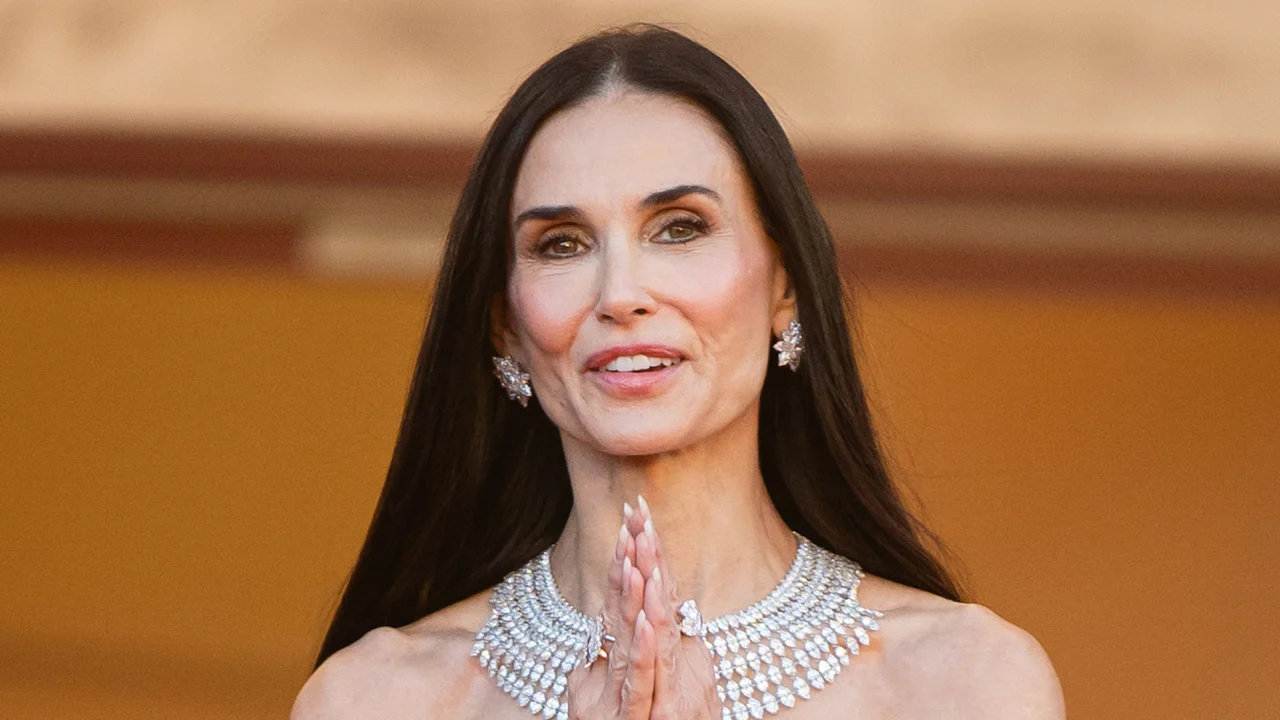
In an age where technology evolves at breakneck speed, the recent discourse surrounding artificial intelligence (AI) and its implications for the creative sector has never been more pertinent. At the Cannes Film Festival, Demi Moore’s remarks on AI ignited a firestorm of debate, highlighting the broader cultural and economic implications of integrating such technologies into our artistic processes.
A Moment of Reflection at Cannes
During a press conference that heralded the festival’s opening, Moore was posed a question regarding AI’s influence on Hollywood. Instead of rallying against what she termed a potentially “losing battle,” Moore proposed a more collaborative approach. “AI is here,” she stated, urging artists to explore synergistic ways to utilize the technology rather than resist its encroachment. Her perspective, although met with criticism, underscores a significant crossroads for the arts community.
The Celebrity Divide: Pro and Con
Moore’s comments reflect a growing divide among celebrities regarding AI. Industry stalwarts like Guillermo del Toro and Nicolas Cage express skepticism, fearing that AI could undermine the integrity of artistic creation. Conversely, figures such as Sandra Bullock and Reese Witherspoon advocate for a more constructive engagement with AI, suggesting that it can democratize creative expression. This divergence of opinions illustrates how the celebrity sphere mirrors the broader societal struggle to define AI’s role in our lives.
Understanding the Complexity of AI
The challenge in navigating this discourse lies in the term itself: artificial intelligence. It encompasses a broad spectrum of technologies, from simple algorithms that enhance script quality to sophisticated systems capable of generating rich visual content. Unfortunately, these nuances often get lost in a binary debate of support versus opposition. The reality is that AI is already interwoven into our daily existence, prompting us to rethink our relationship with it.
Shifting Perspectives: Beyond Celebrity Commentary
As the conversation unfolds, it is vital to shift our focus from merely scrutinizing celebrity opinions to interrogating the structural implications of AI technologies. Paul Laverty, a fellow Cannes jury member, emphasized the importance of ownership and the algorithms that shape our realities. He suggests that a more equitable approach to AI development is crucial, warning against allowing a narrow group of tech moguls to dictate its trajectory. This perspective invites us to consider how AI might not only transform artistic practices but also influence broader socio-economic dynamics.
Democratizing Creation: The Other Side of the Coin
While there are legitimate concerns about job displacement and the commodification of art, advocates argue that AI can lower barriers to entry in creative fields. Aspiring creators can now access powerful tools that were once the exclusive domain of well-funded studios. This democratization of content creation could lead to an explosion of diverse voices and perspectives, reshaping the artistic landscape in ways not yet imagined.
Conclusion: A Call for Nuanced Dialogue
The discourse surrounding AI is multifaceted and complex, transcending simplistic categorizations of support and resistance. As artists, technologists, and the public engage in this conversation, it is imperative to foster a dialogue that critically examines the implications of AI on creativity, power, and economic equity. Perhaps the greatest challenge lies not in choosing sides but in understanding the broader systemic forces at play and advocating for an inclusive approach that values all stakeholders in the creative ecosystem.
Editorial note: This article was created by A Bit Lavish Miami’s Magazine as an original editorial reinterpretation based on publicly available reporting. Original source: fastcompany.com. Read the original article here: https://www.fastcompany.com/91541141/demi-moore-ai-debate-missing-the-point.
Images are used for editorial reference with source credit. If an image requires correction or removal, please contact A Bit Lavish.









Navigating the AI Landscape: Opportunities and Responsibilities for Publishers
As AI technology reshapes the media landscape, publishers must adapt to maintain...
 2 Mins read
From Real Estate to Crypto: The Evolution of Donald Trump’s Business Empire
An insightful exploration of Donald Trump's transition from traditional real estate to...
 ABL2 Mins read

The Empowering Shift: How the ‘Divorce Glow-Up’ is Redefining Post-Marital Identity
Explore the viral 'divorce glow-up' trend on social media, showcasing women's transformative...
ABL2 Mins read



Nurturing Culinary Leadership: American Express Launches Innovative Academy for Restaurant Operators
Explore how American Express's new Restaurant Academy aims to equip restaurant owners...
3 Mins read
