

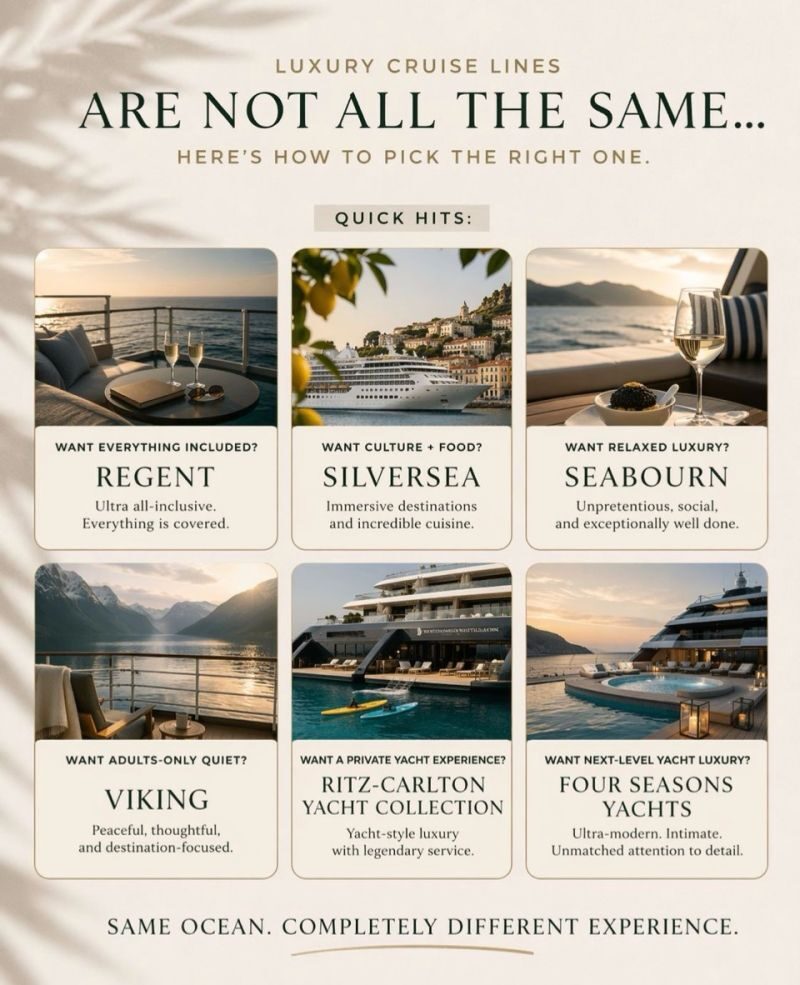
“Luxury cruise” is a phrase that can mean very different things depending on who’s speaking. For advisors and discerning travelers alike, clarity comes from separating the idea of luxury into experience-driven categories. That framework makes it easier to match expectations with the vessel, itinerary and service style that will deliver the intended vacation feeling.
Ultra All‑Inclusive Luxury
This form of luxury centers on convenience and comprehensive service. These sailings bundle fine dining, premium beverages, gratuities, Wi‑Fi and shore excursions into a single price, and sometimes extend to transfers or airfare. The key benefit is operational simplicity: guests enjoy a high level of comfort without constant transactions, creating a seamless, managed experience.
Experiential / Destination Luxury
When luxury is defined by access and meaning, this category takes precedence. The focus is on immersive shore experiences, carefully curated itineraries and culinary or cultural moments that deepen a traveler’s relationship with a region. These cruises are suited to clients who view the ship as a platform for discovery rather than the primary destination.
Yacht / Boutique Luxury
Smaller ships and yachts offer intimacy, privacy and flexibility. They can reach ports inaccessible to larger vessels and foster a personalized onboard atmosphere favored by couples and small groups. Yacht and boutique cruises emphasize exclusivity and relaxed sophistication over scale.
Choosing the Right Option
Matching a client to the right luxury cruise requires moving beyond brand labels to assess how they want to spend their time. Consider these attributes when narrowing choices:
- Trip pace — Do they prefer leisurely days at sea or densely packed, activity‑driven itineraries?
- Service style — Is a discreet, staff‑heavy approach desirable, or a more informal, localized service model?
- Dining — Are clients seeking multiple signature restaurants and culinary programming or intimate, destination‑led meals?
- Wellness offerings — How important are spa, fitness and wellness programming to the overall experience?
- Accommodations — Is suite space, private outdoor living or bare‑necessity comfort the priority?
- Port access — Do clients value access to remote harbors and exclusive anchorages, or prefer major ports with broader onshore infrastructure?
Industry Context — Why This Distinction Matters
Luxury is personal, and mismatches between expectation and experience are a common source of client dissatisfaction. Framing luxury cruising according to experience type allows advisors to build itineraries that reflect a traveler’s priorities—whether those priorities are ease, immersion or intimacy. This clarity streamlines decision making and enhances the overall value of the trip.
Key Highlights
- Three primary categories define luxury cruising: ultra all‑inclusive, experiential/destination, and yacht/boutique.
- Ultra all‑inclusive emphasizes seamless service and bundled value.
- Experiential luxury prioritizes cultural access and meaningful shore time.
- Yacht/boutique options deliver intimacy, privacy and access to smaller ports.
- Advisors should evaluate pace, service style, dining, wellness, accommodations and port access when making recommendations.
Ultimately, the right luxury cruise is the one that aligns with how a traveler wants to feel and what they most wish to experience. Defining the type of luxury at the outset turns an ambiguous request into a purposeful selection process, yielding trips that feel bespoke without becoming needlessly complicated.
Make publications with A Bit Lavish in Miami, Florida. Contact us at 305-332-1942







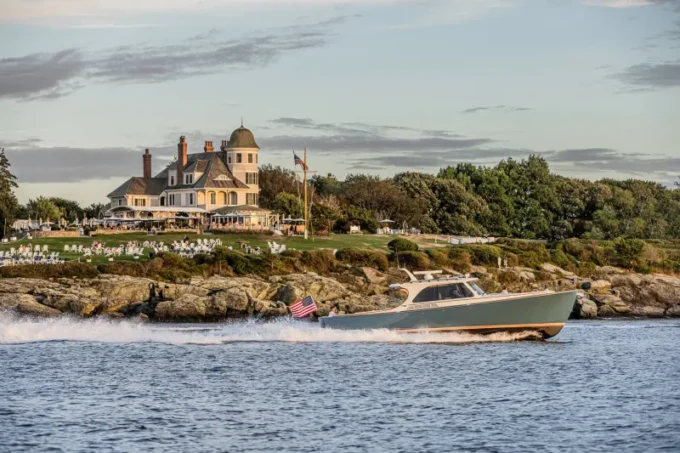
The Hinckley Picnic Boat 39: A New Era of Nautical Elegance
Discover the sophistication and advanced design of the Hinckley Picnic Boat 39,...
 3 Mins read

Navigating the Future: Avikus’ Neuboat Control Revolutionizes Yacht Autopilot
Explore Avikus’ Neuboat Control, a cutting-edge AI-assisted autopilot system designed for seamless...
2 Mins read
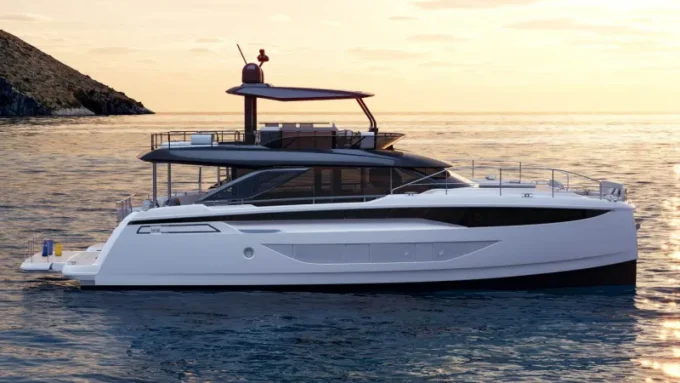
The Prestige M8 Evo: A New Era in Luxury Power Catamarans
Discover the Prestige M8 Evo, a cutting-edge power catamaran that redefines luxury...
2 Mins read
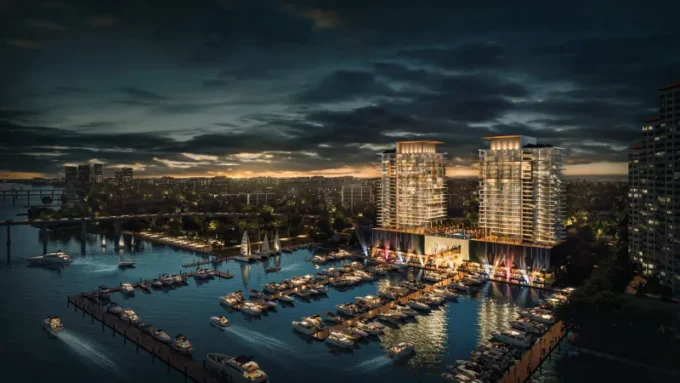


Legacy Harbour Marina: A New Dawn on Florida’s Waterfront
Explore the revitalization of Legacy Harbour Marina, a $15 million project transforming...
2 Mins read
