

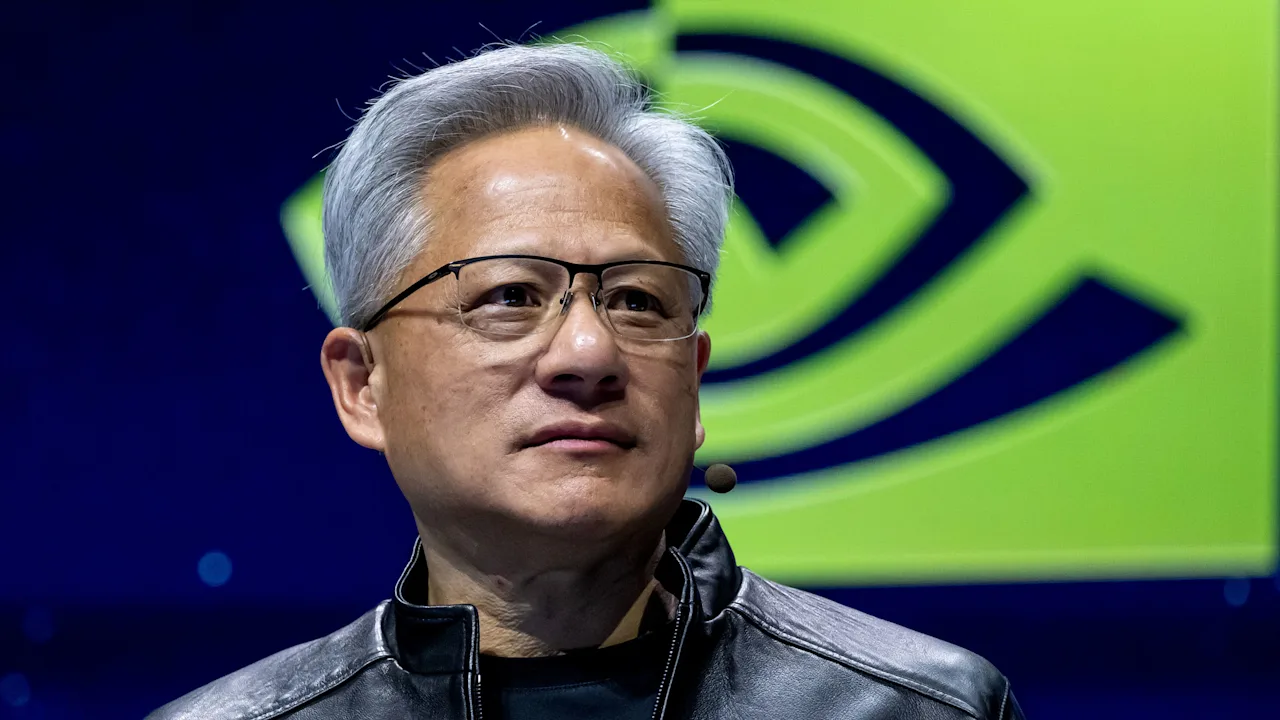
A Last-Minute Invitation
In an unexpected twist of geopolitical maneuvering, Jensen Huang, the CEO of Nvidia, was confirmed to join President Donald Trump on a flight to Beijing just hours before departure. This last-minute inclusion in a high-stakes summit encapsulates the intricate dance between technology and diplomacy, particularly in the contentious arena of U.S.-China relations.
The Silicon Valley Delegation
The Air Force One journey was marked by the presence of some of Silicon Valley’s most influential figures, including Elon Musk and Tim Cook. Yet Huang’s participation, initially overlooked, raised eyebrows given Nvidia’s pivotal role in the global AI race. The timing of his confirmation suggests a deliberate strategy to leverage Nvidia’s significance in the tech landscape as a negotiating tool in the evolving geopolitical climate.
Significance of Semiconductor Supremacy
The semiconductor industry stands at the forefront of the U.S.-China rivalry, with both nations vying for technological supremacy. Huang’s involvement in the summit signals an acknowledgment of this industry’s critical role. According to Rui Ma, a China tech analyst, Huang’s initial absence may have inadvertently communicated a disconnect between Washington’s confidence in Nvidia’s leverage capabilities and China’s resolve to attain semiconductor self-reliance.
China’s Rising Semiconductor Industry
In recent months, China has demonstrated a remarkable resurgence in its domestic semiconductor industry, with integrated circuit exports doubling in value to $31.1 billion. This growing confidence among Chinese manufacturers indicates a shift in the competitive landscape. As they strive to catch up with U.S. technologies, the stakes for U.S. companies like Nvidia become increasingly high.
The Politics of Inclusion
Huang’s outspoken criticism of the U.S. chip export restrictions adds another layer to this narrative. He has argued that cutting off access to Nvidia’s technologies could backfire, accelerating China’s development of its own competitive hardware. This perspective highlights a fundamental tension within U.S. policy—balancing national security concerns with the realities of global competition. His inclusion in the presidential delegation could indicate an evolving strategy, where access to Nvidia’s technology becomes a bargaining chip in broader negotiations.
Geopolitical Negotiations in Technology
As the summit unfolded, it became clear that Huang’s presence was not merely symbolic; it was strategic. Analysts suggest that the Trump administration may view access to Nvidia’s technologies as a critical bargaining tool, particularly in discussions involving other geopolitical issues, such as Iran. By integrating tech leaders like Huang into diplomatic conversations, the U.S. can reinforce its commitment to maintaining technological leadership while navigating complex international relations.
A New Era of Tech Diplomacy
The intertwining of technology and diplomacy is reshaping the landscape of international relations. As companies like Nvidia play increasingly pivotal roles in geopolitical negotiations, the implications for innovation, market dynamics, and international partnerships are profound. Huang’s participation in the summit serves as a reminder that in today’s interconnected world, the boundaries between business strategy and political maneuvering are more blurred than ever.
Editorial note: This article was created by A Bit Lavish Miami’s Magazine as an original editorial reinterpretation based on publicly available reporting. Original source: fastcompany.com. Read the original article here: https://www.fastcompany.com/91541055/jensen-huang-nvidia-trump-china-trip.
Images are used for editorial reference with source credit. If an image requires correction or removal, please contact A Bit Lavish.









The Transformative Power of AI: Insights from JPMorgan’s Leadership
JPMorgan Chase's CEO Jamie Dimon discusses the impact of AI on employment...
 2 Mins read

A New Era in Sports Broadcasting: Elevating Women Athletes Beyond the Lens
Explore how new broadcasting guidelines aim to reshape the portrayal of women...
2 Mins read

Harnessing AI for Intellectual Growth: Strategies for the Modern Thinker
Explore innovative ways to leverage AI to enhance your cognitive processes and...
3 Mins read



The Art of Timely Delivery: A Crucial Element in Business Success
Explore the challenges of timely project delivery in business, its impact on...
2 Mins read
