

The Duality of Competition and Collaboration
In an era defined by technological prowess, the United States and China have emerged as the foremost contenders in the race for artificial intelligence supremacy. While both nations are propelled by a desire for advancement, their mutual distrust creates a precarious dynamic that could potentially escalate into conflict. Yet, despite these tensions, the reality is that both countries are interdependent in their pursuit of AI technology. This intricate web of rivalry necessitates robust dialogues, particularly as the stakes rise in the world of AI.
The Imperative for Open Communication
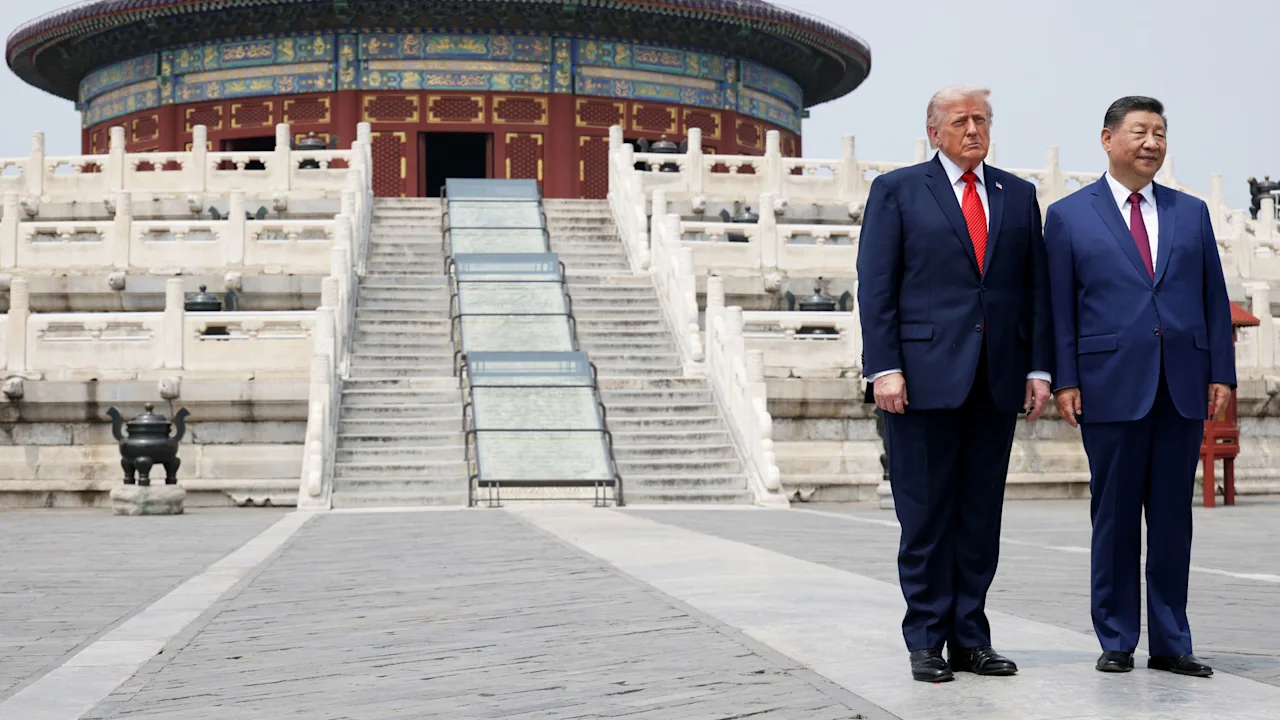
Recent interactions between U.S. and Chinese leaders underscore a crucial moment in their relationship. Efforts are underway to establish dedicated communication channels regarding AI matters, signaling a recognition of the technology’s potential to either bridge gaps or widen rifts between the two powers. As both nations grapple with the implications of AI in intelligence and cyber warfare, the urgent need for coordinated efforts becomes glaringly apparent.
Regulatory Challenges and Market Dynamics
The American landscape for AI development presents a conundrum. Companies are eager to innovate, yet they find themselves stymied by the absence of clear regulatory frameworks from U.S. authorities. This disconnect diminishes the competitive edge of American firms in global markets, particularly as Chinese models like DeepSeek gain traction. The challenge lies not only in advancing technology but also in navigating the regulatory environment that governs it.
Trust Issues: A Barrier to Progress
Trust—or the lack thereof—remains a formidable barrier as the U.S. and China pursue their AI ambitions. Accusations of intellectual property theft and industrial espionage cast a shadow over any potential collaboration. Furthermore, the strategic use of AI in cyber operations complicates the matter, as both nations have experimented with offensive tactics. In a climate rife with suspicion, the question arises: how can two rivals engage in meaningful dialogue while safeguarding their national interests?
A Balancing Act: Rivals or Partners?
The narrative of the AI arms race paints a picture of a world in which competition is inevitable. However, it is essential to ponder the possibility of partnerships emerging within this rivalry. The potential for AI to address global challenges, from economic disparities to climate change, underscores the need for cooperative frameworks. Yet, historical precedents remind us that discussions can often devolve into mere formalities rather than yielding substantive agreements.
Future Prospects: A Call to Action
As technological advancements accelerate, the urgency for constructive dialogue becomes increasingly critical. The upcoming summit between U.S. and Chinese leaders represents a pivotal opportunity to redefine the contours of their relationship concerning AI. While revolutionary policy shifts may not be on the horizon, fostering a culture of openness and collaboration could lay the groundwork for a more stable future. It is a delicate balance—one that requires both nations to navigate the complexities of rivalry while remaining open to cooperative ventures.
Conclusion: The Path Ahead
In conclusion, the U.S.-China AI landscape embodies the tension between competition and collaboration. As the arms race unfolds, the necessity for dialogue becomes ever more pressing. The challenge lies in cultivating trust and establishing frameworks that allow both nations to thrive without sacrificing their security interests. In a world where technology evolves rapidly, the ability to communicate across borders may prove to be the most valuable asset of all.
Editorial note: This article was created by A Bit Lavish Miami’s Magazine as an original editorial reinterpretation based on publicly available reporting. Original source: fastcompany.com. Read the original article here: https://www.fastcompany.com/91542321/china-us-ai.
Images are used for editorial reference with source credit. If an image requires correction or removal, please contact A Bit Lavish.










Nurturing Culinary Leadership: American Express Launches Innovative Academy for Restaurant Operators
Explore how American Express's new Restaurant Academy aims to equip restaurant owners...
 3 Mins read

Bending Spoons Makes Its Mark: A New Era in Tech IPOs
Exploring Bending Spoons' unique IPO journey and its implications for the tech...
2 Mins read

The Quest for Tranquility: Navigating the New Office Landscape
As the return-to-office movement unfolds, employees grapple with the challenges of noisy...
3 Mins read



Cultivating Creativity: The Art of Embracing Boredom in a Hyper-Connected World
Exploring the surprising benefits of boredom on creativity and mental well-being amidst...
2 Mins read
