
Artistic Echoes: The Resonance of Frieze New York and Beyond

Frieze New York: A Cultural Confluence
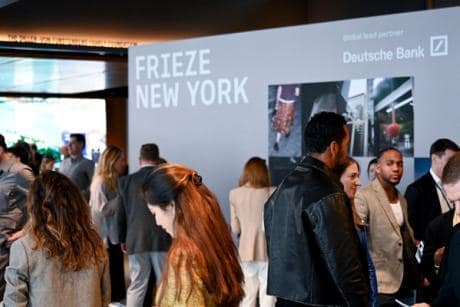
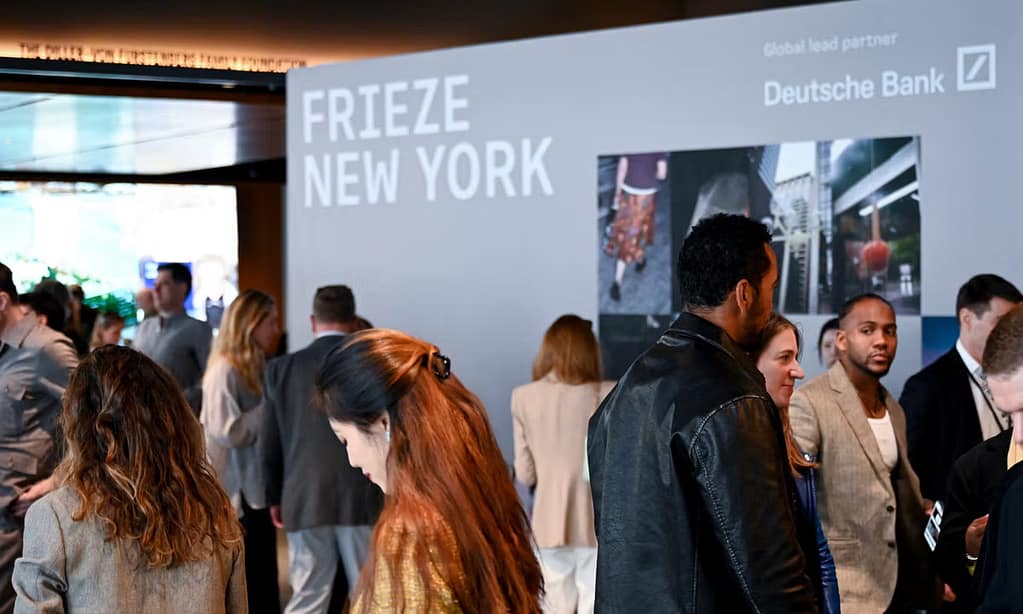
This year’s Frieze New York has proven to be a vibrant tapestry of artistic expression and cultural significance. As collectors and enthusiasts navigate the expansive halls of this renowned fair, the atmosphere is charged with anticipation. The event serves not only as a marketplace but also as a platform for dialogue, where contemporary art merges with historical narratives.
Whispers of History: The Cranach Revelation
Among the standout discussions at this year’s Frieze was the surprising discovery of a Lucas Cranach painting that once adorned Adolf Hitler’s Munich apartment. This revelation opens a complex dialogue about provenance, the weight of history in art, and the moral implications of collecting pieces with such a fraught past. The painting, steeped in layers of cultural significance, now begs the question: how do we reconcile the beauty of art with the darkness of its previous ownership?
As art historians and collectors delve into the legacy of such works, the Cranach piece embodies the tension between aesthetic appreciation and historical consciousness. The conversation around it is not merely academic; it reflects a growing awareness among collectors about the narratives that accompany their acquisitions. This awareness is particularly poignant in a city like Miami, where a diverse community of collectors is increasingly attuned to the stories that art tells.
Photography as a Medium for Reflection
In another compelling segment, the spotlight turned to the evocative photography series created by Ajamu X, presented by Charlotte Keenan of the Walker Art Gallery in Liverpool. Ajamu X’s work speaks to the power of representation and the complexities of identity, particularly within the Black queer narrative. His photographs challenge societal norms while inviting viewers to engage with deeper issues surrounding race, sexuality, and cultural heritage.
The impact of Ajamu X’s work resonates beyond the gallery walls, prompting important conversations about visibility and recognition in the arts. In a city like Miami, with its rich tapestry of cultures and identities, the themes explored through Ajamu X’s lens take on a vibrant urgency, urging collectors and art lovers alike to reflect on the role of art in shaping societal perceptions.
Market Dynamics and Collecting Psychology
The conversations sparked by Frieze New York are not just confined to artistic appreciation; they also extend into the realm of investment and market dynamics. The intersection of art and finance continues to evolve, with collectors becoming increasingly savvy about the provenance and market significance of their acquisitions. Art fairs like Frieze not only showcase contemporary works but also serve as barometers for investment trends within the art market.
For collectors, understanding the historical context and rarity of a piece is crucial. The allure of a work like the Cranach painting, despite its troubling past, lies in its uniqueness and the story it carries. Moreover, the psychological aspect of collecting—how personal connections to art can influence purchasing decisions—cannot be underestimated. This intricate dance between emotion and economics is particularly relevant in Miami’s dynamic art scene, where the fusion of lifestyle and artistry creates a unique environment for collectors.
A City of Cultural Exchange
As Miami continues to establish itself as a global art hub, the conversations sparked by events like Frieze New York become even more pertinent. The city’s vibrant art scene thrives on cultural exchange, where diverse voices and narratives converge. The discussions surrounding the Cranach painting and Ajamu X’s photography are reminders of the rich historical and contemporary layers that define Miami’s artistic identity.
In this context, Frieze New York serves as a microcosm of broader cultural dialogues, inviting Miami’s collectors and art enthusiasts to engage with the complexities of art ownership, representation, and legacy. As these conversations unfold, they not only enrich the local art narrative but also encourage a deeper appreciation for the stories art has to tell.
Conclusion: The Legacy of Art in Miami
The intersection of art, history, and personal narrative is more than just an academic exercise; it is a vital part of how we understand ourselves and our world. Whether through the haunting beauty of a Cranach painting or the poignant reflections captured by Ajamu X, the artworks we collect and cherish serve as touchstones for our cultural heritage. As Miami continues to grow as an artistic epicenter, it is crucial for collectors to engage thoughtfully with these layers, fostering a richer, more nuanced art community.
Editorial note: This article was created by A Bit Lavish Miami’s Magazine as an original editorial reinterpretation based on publicly available reporting. Original source: theartnewspaper.com. Read the original article here: https://www.theartnewspaper.com/2026/05/15/frieze-new-york-the-cranach-in-hitlers-munich-apartment-ajamu-x.
Images are used for editorial reference with source credit. If an image requires correction or removal, please contact A Bit Lavish.









Navigating Fantasy: The Allure of Rare Literary Cartography
Explore the captivating intersection of literature and cartography in an upcoming Zurich...
 3 Mins read

Cuauhtémoc Medina: Curatorial Visionary Set to Elevate Guatemala’s Bienal de Arte Paiz
Explore the profound impact of Cuauhtémoc Medina's curatorial approach as he prepares...
2 Mins read

Unveiling Deception: The Forgery Scandal Shaking the Art World
An in-depth exploration of the Giuliano Ruffini forgery scandal, its implications for...
2 Mins read



Transition at the Top: A New Era for the Art Gallery of Ontario
As Stephan Jost steps down from his role at the Art Gallery...
2 Mins read
