
A Lesson in Digital Perception: Sony’s AI Camera Assistant and the Viral Backlash
Innovation Meets Reality
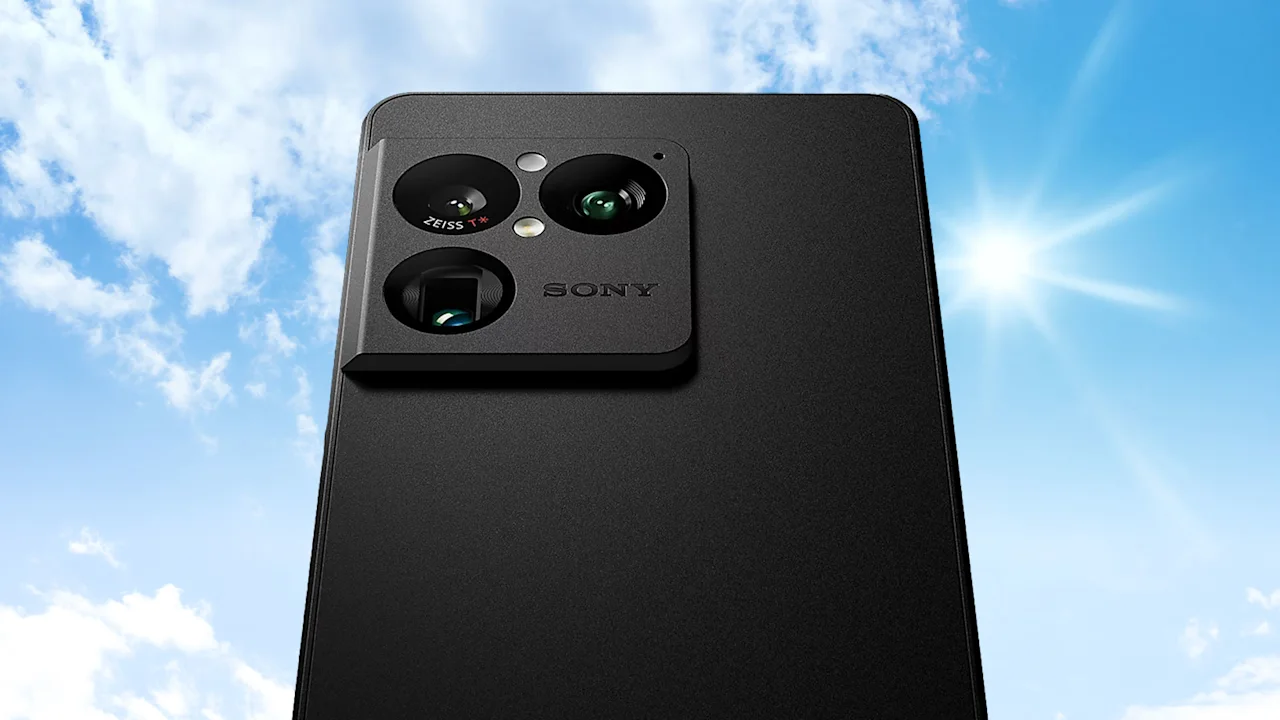
In an era where technology is increasingly infused with artificial intelligence, the expectations surrounding advancements can rapidly turn into a double-edged sword. Sony’s unveiling of its new AI Camera Assistant tool promised to enhance photography through intelligent suggestions on lens, exposure, and color settings. However, the reception was anything but favorable, raising questions about the effectiveness of AI in creative domains.
The Internet’s Response
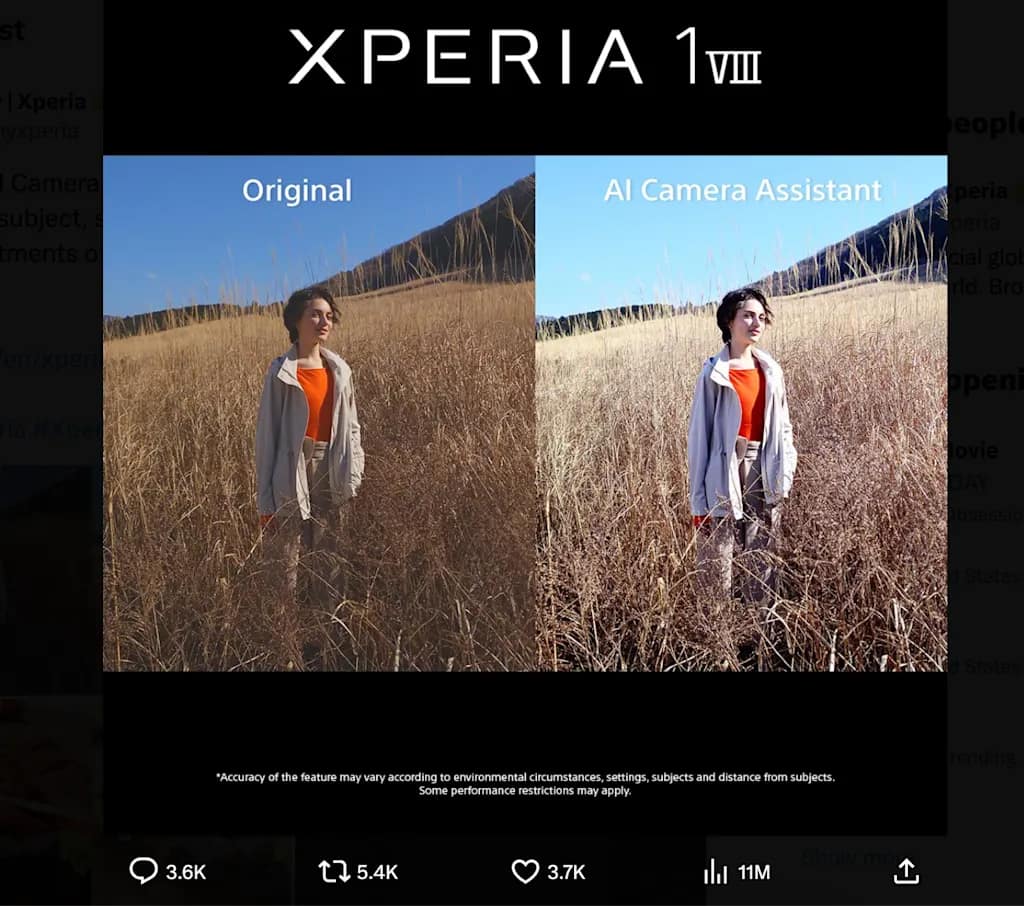
The official announcement on Sony’s social media platform drew attention not for its innovative offerings, but rather for the questionable quality of the images presented. A series of before-and-after comparisons showcased an alarming transformation: vibrant images were rendered into overly bright and flat representations. Instead of sparking excitement, the post quickly became fodder for ridicule, with users sharing their own satirical takes on what constitutes “intelligent” photography.
Engagement or Misstep?
As the commentary section of the post erupted with critiques, a notable trend emerged—many speculated whether the backlash had been a strategic move. In an age of “rage-bait” marketing, where brands intentionally provoke strong reactions to boost engagement, could Sony have been playing a shrewd game? Carlos Pei, CEO of Nothing, raised an eyebrow at the situation, questioning if the company was consciously courting controversy to drive conversation around its new flagship camera.
Clarifying the Misunderstanding
Faced with an onslaught of online mockery, Sony was compelled to clarify the purpose of its AI Camera Assistant. In a subsequent post, the company explained that rather than editing images post-capture, the tool simply suggests four distinct creative settings based on the scene and subject. This clarification, however, arrived amidst a storm of memes, leaving many to wonder if the damage had already been done.
The Importance of Brand Perception
This incident underscores a critical lesson in the interplay between innovation and public perception. In Miami’s vibrant tech scene, where brand reputation is paramount, Sony’s misstep serves as a cautionary tale. Companies must navigate the thin line between technological advancement and consumer expectations meticulously. The backlash not only highlights the technical shortcomings of the AI Camera Assistant but also showcases how a misaligned marketing strategy can lead to public relations challenges that overshadow the product’s potential.
Looking Ahead: A Fine Balance
As brands like Sony continue to innovate, they must remain vigilant about consumer sentiment. The rapid spread of digital content means that a single misjudged campaign can spark widespread criticism, as evidenced by Sony’s experience. Moving forward, the challenge lies in blending cutting-edge technology with authentic engagement—ensuring that innovation aligns with user expectations and experiences. In the world of high-end technology and lifestyle brands, the stakes have never been higher.
Editorial note: This article was created by A Bit Lavish Miami’s Magazine as an original editorial reinterpretation based on publicly available reporting. Original source: fastcompany.com. Read the original article here: https://www.fastcompany.com/91543216/sony-xperia-ai-camera-assistant-backlash-tool-pictures-worse.
Images are used for editorial reference with source credit. If an image requires correction or removal, please contact A Bit Lavish.









The Quest for Tranquility: Navigating the New Office Landscape
As the return-to-office movement unfolds, employees grapple with the challenges of noisy...
 3 Mins read

Cultivating Creativity: The Art of Embracing Boredom in a Hyper-Connected World
Exploring the surprising benefits of boredom on creativity and mental well-being amidst...
2 Mins read

Navigating the Future of AI in Science: Insights from Anthropic’s Pioneering Event
Explore the latest insights from Anthropic's 'AI for Science' event, highlighting advancements...
3 Mins read


Reimagining Productivity: Mark Zuckerberg’s Vision for AI and Employment
Mark Zuckerberg articulates a forward-thinking approach to AI's role in the future...
3 Mins read
