
A Reverberation of Legacy: The Return of Antiquities to India
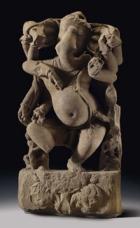
Unveiling a Cultural Renaissance
In a remarkable development, over 650 antiquities, collectively valued at nearly $14 million, have been returned to India. This momentous occasion not only marks a significant victory against art trafficking but also serves as a poignant reminder of the cultural treasures that encapsulate the rich heritage of a nation. Each artifact tells a story of craftsmanship, spirituality, and the enduring legacy of India’s artistic traditions.
Tracing the Journey of Reclamation
The return of these antiquities is the culmination of extensive investigations into trafficking networks, including links to notorious figures in the world of illicit art trade. The involvement of convicted smuggler Subhash Kapoor and trafficker Nancy Wiener highlights a systemic issue that plagues the global art market. These individuals operated within a landscape where the line between legal acquisition and exploitation was often blurred, raising critical questions about the provenance of artworks and artifacts.
The Significance of Provenance
Provenance serves as the backbone of art collecting, dictating not only authenticity but also the moral and ethical implications surrounding ownership. The return of these items offers a chance to reset the narrative, acknowledging the rightful cultural context from which they originated. Collectors and institutions alike are increasingly recognizing that investing in pieces with clear, honest provenance not only enriches their collections but also honors the legacies of the artists and cultures behind them.
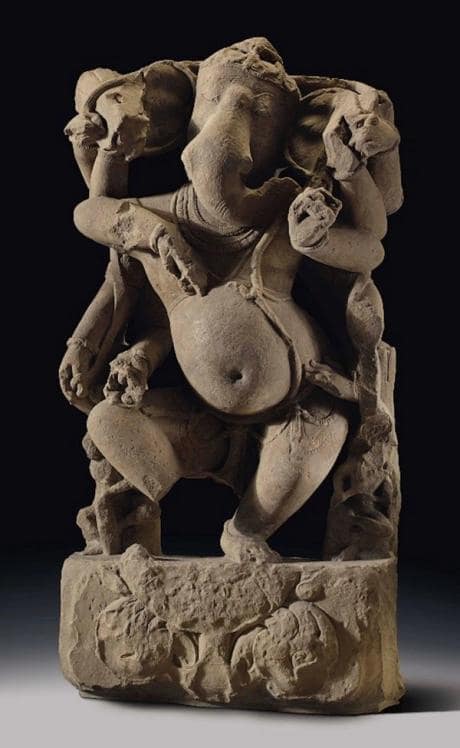
A Legacy Beyond Borders
Each antiquity returned is not merely an object; it is a vessel of history, embodying the artistry and craftsmanship of its time. This return highlights the importance of protecting heritage, as these artifacts contribute to a collective understanding of human civilization. The intricate designs, sacred symbols, and historical narratives embedded within these pieces offer insights into the spiritual and cultural life of ancient India, making their reclamation a profound act of cultural restitution.
Miami’s Role in the Contemporary Market
As a thriving hub for art and collectibles, Miami plays a crucial role in the ongoing dialogue about cultural heritage and the responsibilities of collectors. The city’s art scene has witnessed a burgeoning interest in ethically sourced antiquities, with galleries and collectors increasingly prioritizing transparency in their acquisitions. Events such as Art Basel Miami Beach elevate this conversation, providing a platform for discussions on provenance, ethics, and the future of the art market.
A Collective Responsibility
The return of these antiquities is a clarion call for collectors, institutions, and art enthusiasts to recognize their role in preserving cultural heritage. As the market continues to evolve, there is a growing awareness that the stories behind the objects we hold are as significant as the objects themselves. This moment serves as an opportunity to reflect on the past, embrace cultural legacies, and advocate for a more responsible approach to collecting.

Editorial note: This article was created by A Bit Lavish Miami’s Magazine as an original editorial reinterpretation based on publicly available reporting. Original source: theartnewspaper.com. Read the original article here: https://www.theartnewspaper.com/2026/05/20/manhattan-district-attorney-returns-650-looted-antiquities-india.
Images are used for editorial reference with source credit. If an image requires correction or removal, please contact A Bit Lavish.








A New Era in Art Education: The Jen-Hsun and Lori Huang College of Art, Architecture, and Design
Explore the transformative gift that will reshape art education at Vanderbilt University's...
 2 Mins read
Yoko Ono’s Legacy Reimagined: A Contemporary Reflection on ‘Cut Piece’ in Los Angeles
Explore the profound impact of Yoko Ono's 'Cut Piece' through contemporary reinterpretation...
3 Mins read

Reawakening History: Bolivia’s National Archaeology Museum Shines a Spotlight on Repatriated Treasures
Explore the transformative renovation of Bolivia's National Archaeology Museum, highlighting repatriated artifacts...
2 Mins read



A New Chapter for The Armory Show: Celebrating Emerging Talent and Caribbean Art
Explore the transformed landscape of The Armory Show with a focus on...
2 Mins read
