

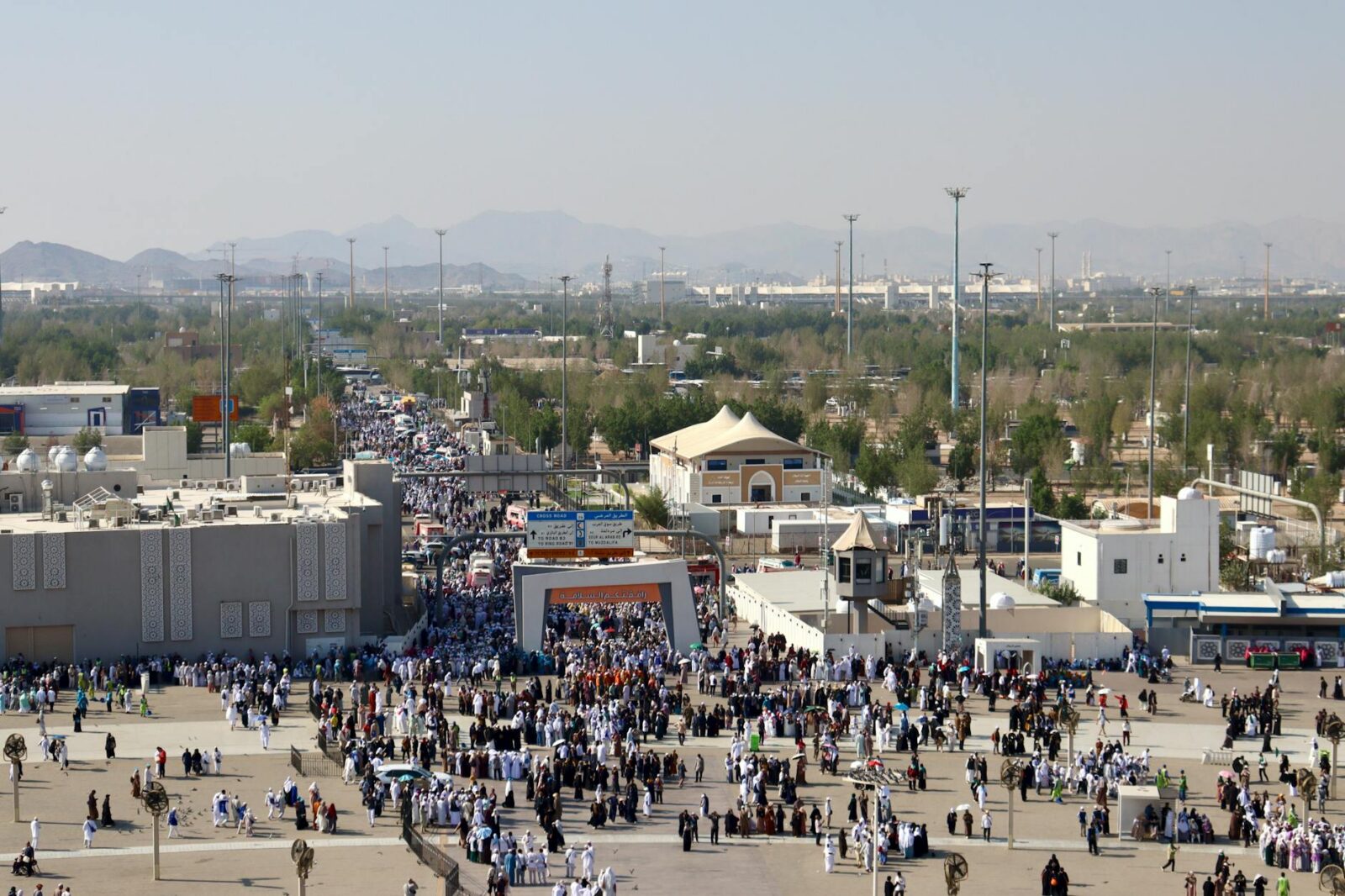
Saudi Arabia has reported a significant increase in crude oil exports for February, reaching levels that highlight the Kingdom’s strategic position in the global energy landscape. According to the Joint Organizations Data Initiative (JODI), the country’s crude oil production has risen to its highest output since 2022, signaling a robust recovery in oil supply following previous market fluctuations.
The increase in exports is particularly noteworthy as Saudi Arabia continues to navigate the complexities of a volatile international oil market. The Kingdom’s ability to ramp up production is seen as a response to rising global demand, especially in light of ongoing geopolitical tensions that have affected energy supply chains. This development involves key players in the oil sector, including the Organization of the Petroleum Exporting Countries (OPEC) and its allies, who are closely monitoring these trends to ensure market stability.
This surge in crude oil exports and production is significant as it reflects Saudi Arabia’s strategic intent to maintain its influence over global oil prices and supply. The Kingdom is working to balance its economic diversification goals under Vision 2030 with its role as a leading oil producer. As countries around the world grapple with energy security and inflationary pressures, Saudi Arabia’s actions will undoubtedly have far-reaching implications for global energy markets.
Looking ahead, analysts predict that if Saudi Arabia continues to increase its production, it could lead to a recalibration of oil prices, impacting economies heavily reliant on oil imports. Additionally, this move may provoke responses from other oil-producing nations, potentially altering the dynamics within OPEC and affecting global supply agreements. The situation warrants close observation, as developments in Saudi Arabia’s oil production could shape the energy landscape for years to come.
Source: EnergyNow.com







Kyiv Launches Strikes on Russian Pipeline and Oil Depot
Kyiv's targeted strikes highlight escalating tensions in the Russia-Ukraine conflict, impacting global...
 1 Mins read

Hamilton Firm Secures Contract to Supply Drone Systems to Ukraine Amid Ongoing Conflict
This contract underscores the global arms industry's role in the Ukraine-Russia conflict...
1 Mins read
Russia Authorizes Banks to Use Armed Defense Against Drones
Russia's directive to banks to arm staff and shoot down drones signals...
1 Mins read



Russia Intensifies Campaign to Acquire Western Defense Secrets, Officials Report
Russia's escalating efforts to infiltrate Western defense systems pose significant risks to...
1 Mins read
Leave a comment