
Pacific Islands Lead in Climate Resilience Strategies
 ABLUpdated 2 months Ago1 Mins read84
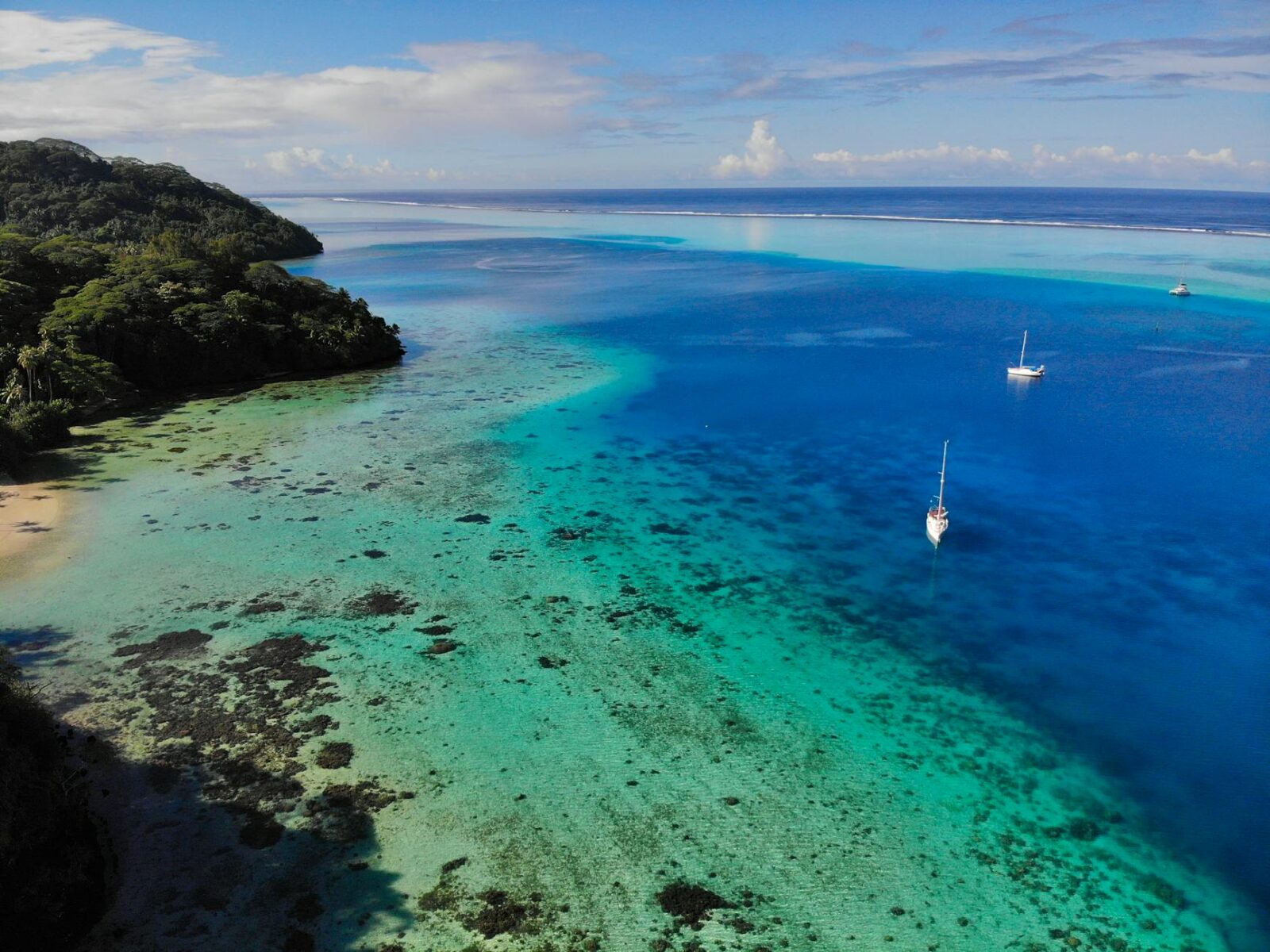
In recent discussions among Pacific Island leaders, significant strides have been made in developing climate resilience strategies that address the ongoing threats posed by climate change. These strategies are particularly relevant for regions like the Commonwealth of the Northern Mariana Islands (CNMI), which face similar vulnerabilities. The Pacific Islands, including nations such as Fiji and Samoa, have initiated innovative programs focused on sustainable agriculture, disaster preparedness, and community engagement, showcasing a proactive approach to climate adaptation.
Key figures in this movement include Prime Minister Sitiveni Rabuka of Fiji, who has emphasized the importance of integrating indigenous knowledge into modern resilience strategies. As rising sea levels and extreme weather events threaten the livelihoods of island populations, these leaders are advocating for increased international support and investment in climate resilience initiatives. This is particularly crucial as the Pacific region is often viewed as a bellwether for global climate challenges.
The implications of these developments extend far beyond the Pacific. As the world grapples with the escalating impacts of climate change, the lessons learned from these island nations could inform global policies and practices. The emphasis on community involvement and sustainable practices offers a template for other vulnerable regions worldwide. Additionally, the Pacific’s focus on collaboration with international organizations may set a precedent for how global partnerships can effectively address climate issues.
Looking ahead, the CNMI and other regions facing similar threats must heed the examples set by their Pacific counterparts. The potential for enhanced resilience through shared knowledge and cooperative frameworks could pave the way for a more sustainable future. As global attention increasingly turns to climate adaptation, the strategies developed in the Pacific may very well influence international climate policy and funding priorities in the coming years.
Source: Marianas Variety










UK’s Leading ABBA Tribute Band Announces Gwent Tour Date
The announcement of a Gwent tour date by the UK's top ABBA...
 1 Mins read

Mississippi Legislature Prioritizes White-Majority Counties for Redistricting Feedback
This development raises concerns over equity and representation in Mississippi's political landscape.
1 Mins read
Enes Freedom Kanter Critiques WNBA’s Stance on Transgender Sports
Enes Freedom Kanter's activism highlights ongoing debates about transgender inclusion in women's...
1 Mins read



Sadiq Advocates for Enhanced Parliamentary Collaboration with EU Amid Rising Global Challenges
Sadiq's call for strengthened ties with the EU underscores the urgency of...
1 Mins read
