
Trump Demands Modifications to Middle East Peace Plan Amid Israeli Developments
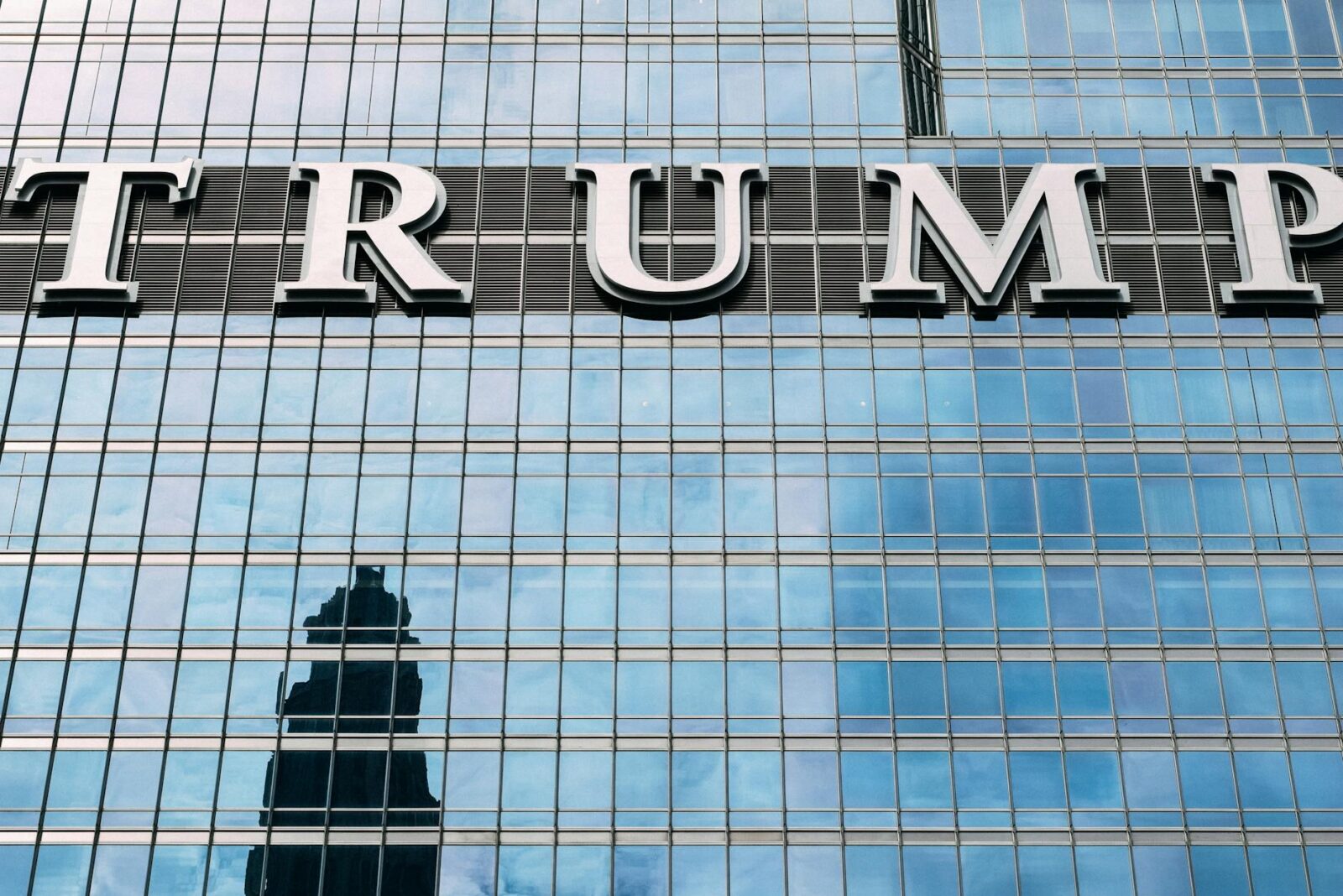
In a significant development regarding the Middle East peace process, former U.S. President Donald Trump has issued a call for alterations to the current peace plan, which has been a focal point of diplomatic discussions. This demand comes at a time when Israel is actively pursuing its own agenda, further complicating the already tense geopolitical landscape in the region.
Trump’s insistence on revising the peace framework highlights the ongoing influence he wields over American foreign policy, despite no longer holding office. He has expressed concerns that the existing plan does not adequately address the security and territorial needs of Israel, a sentiment echoed by various Israeli officials who are pushing for more assertive measures in their negotiations with Palestinian authorities.
The implications of these developments are profound, as they threaten to undermine the fragile progress made in recent years towards a two-state solution. With Trump’s vocal opposition to the current peace plan, there is a risk of escalating tensions not only between Israel and Palestine but also within the broader international community that has invested in a peaceful resolution. Countries such as Egypt and Jordan, which have historically played mediating roles, may find their positions challenged as alliances shift.
Looking ahead, the potential for renewed conflict looms large if modifications to the peace plan lead to further Israeli settlements or military actions in disputed territories. As global leaders monitor these developments closely, the stakes are high: a failure to navigate this situation effectively could lead to widespread instability, affecting international relations and economic conditions far beyond the Middle East.








Putin Signals Possible Conclusion to Russia-Ukraine Conflict as Tensions Shift
Global leaders must assess the implications of a potential end to the...
 1 Mins read
Russia Intensifies Military Offensive in Ukraine; Civilian Casualties Rise
The global community must respond to escalating violence in Ukraine as civilian...
1 Mins read

UFC Fighters Make History with Unprecedented Event at the White House
The historic UFC event at the White House showcases a unique intersection...
1 Mins read


Tensions Escalate as Donald Trump Berates Benjamin Netanyahu During Call on Lebanon Crisis
The heated exchange between Trump and Netanyahu underscores the volatility of Middle...
1 Mins read
Leave a comment