
Israel PM Netanyahu Orders Military Action to Seize 70% of Gaza
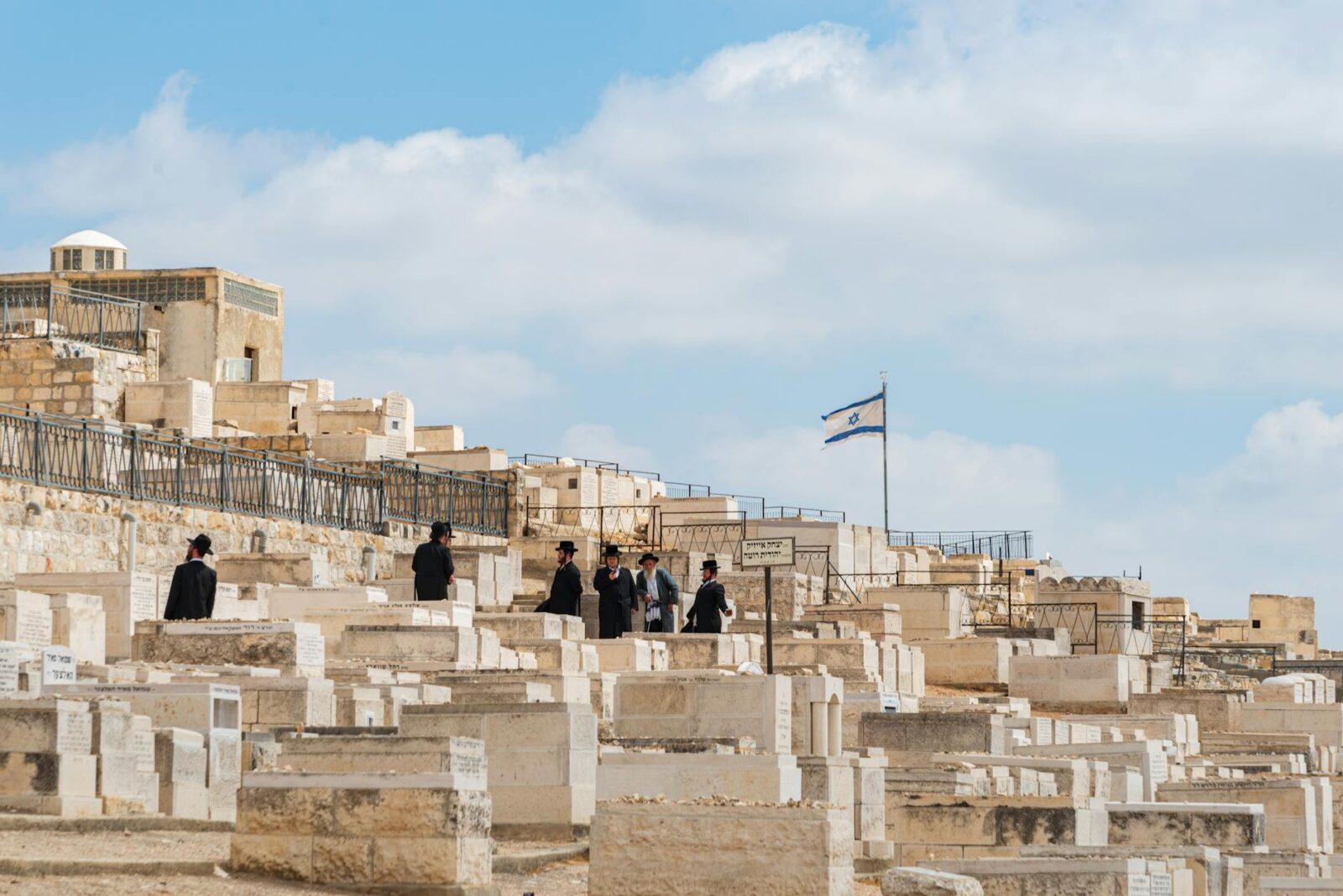
On May 31, 2026, Israeli Prime Minister Benjamin Netanyahu issued a directive for the Israeli Defense Forces (IDF) to seize up to 70% of the Gaza Strip. This unprecedented military action is framed by Netanyahu as a necessary response to ongoing security threats, particularly from Hamas, which has maintained a stronghold in the region since its last major conflict with Israel in 2021. The order reflects a significant shift in Israel’s military strategy, aiming to tighten control over Gaza amidst rising regional tensions.
The implications of this decision extend far beyond Israel and Palestine. The international community, particularly countries in the Middle East and global powers such as the United States, are closely monitoring the situation. The United Nations has already expressed grave concern, warning that such military actions could exacerbate humanitarian crises and lead to widespread civilian casualties. The potential for increased violence raises alarm for neighboring countries, which could face a surge in refugees or escalation in hostilities.
Moreover, this military escalation comes at a time when diplomatic efforts to broker peace have stalled. The Biden administration, which has historically supported Israel’s right to defend itself, may find its position complicated as it balances its commitments to regional stability and human rights advocacy. Global investors and businesses are also watching closely, as instability in the region could disrupt trade routes and impact oil prices, further straining the global economy.
Looking ahead, the consequences of Netanyahu’s decision could be profound. If the IDF successfully implements this seizure, it may further entrench Israeli control over Gaza, but it could also provoke a resurgence of violence from Palestinian factions. The risk of a broader conflict involving regional actors is heightened, necessitating urgent dialogue among global leaders to prevent a humanitarian disaster and seek diplomatic resolutions.
Source: MSN








Trump Criticizes Pope Leo XIV’s Meeting with Chicago Mayor Brandon Johnson at Vatican
Trump's condemnation of the Pope's meeting with Johnson underscores tensions between political...
 1 Mins read
Pope Leo Leads Global Rosary for Peace on June 1, 2026
Pope Leo's call for a worldwide Rosary underscores urgent global concerns over...
1 Mins read

US Secretary of State Begins Diplomatic Visit to Vatican and Italy
This visit underscores the pivotal role of US diplomacy in addressing global...
1 Mins read


Trump Criticizes Pope Leo XIV Following Chicago Mayor’s Vatican Visit
Trump's renewed criticism of Pope Leo XIV underscores the ongoing tensions between...
1 Mins read

Leave a comment