
The Intersection of Innovation and Necessity
As the United States grapples with a pronounced shortage of caregivers for its aging population, the emergence of robotics as a viable solution has become increasingly relevant. The demographic shifts, particularly as baby boomers age into their 80s, have intensified the demand for innovative care solutions. In Miami, a city known for its diverse population and vibrant lifestyle, the conversation around robotic caregiving is not just timely—it is essential.
Meet Robbie: A Glimpse into Robotic Care
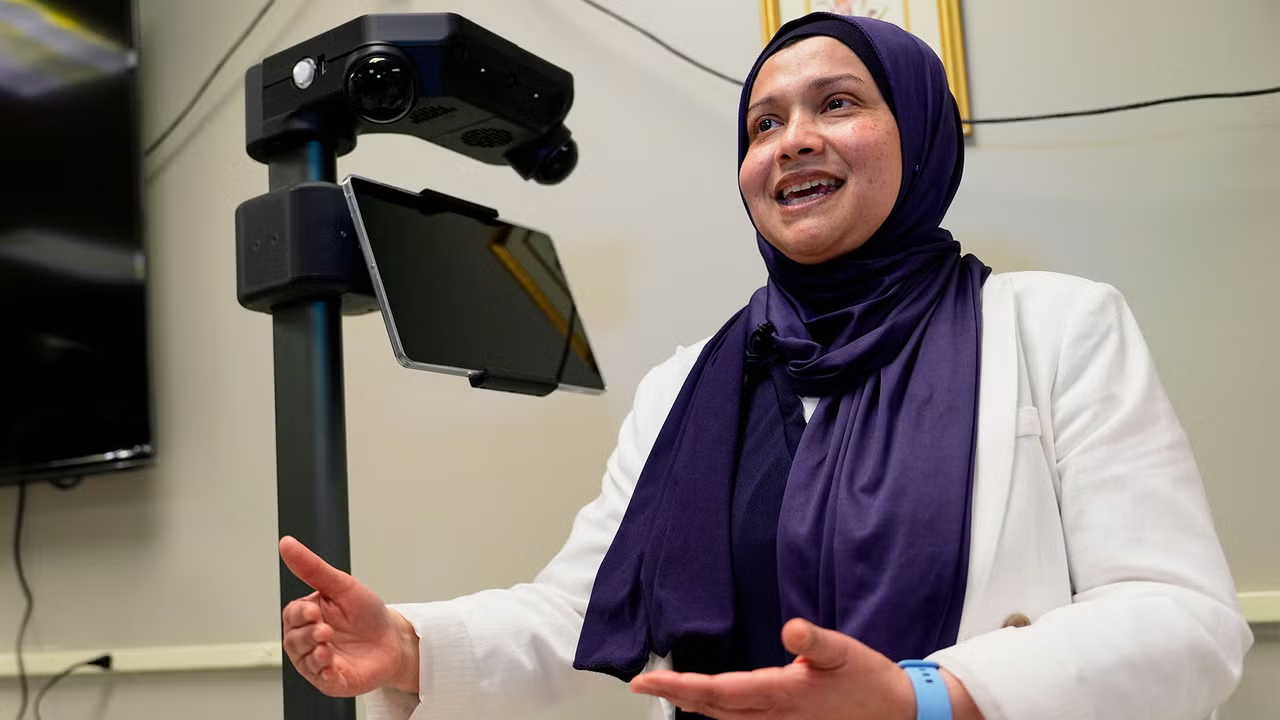
One family’s experience in New Hampshire highlights the potential of these technologies. The Marquis couple, Brenda and Brian, turned to a robot named Robbie—officially known as Stretch 4—when they found traditional home care options insufficient. Designed by a team at the University of New Hampshire, Robbie assists Brian, who lives with dementia, by reminding him to eat and drink, and even guiding him through exercise routines. This scenario illustrates a profound shift in how we might approach elderly care in the near future.
Bridging the Care Gap
The Marquis family’s reliance on Robbie underscores a broader trend where robotics can bridge the gaps left by an overwhelmed caregiving workforce. With many caregivers facing low wages and high turnover rates, the integration of robots into home care settings offers a pragmatic alternative. Companies like Hello Robot are leading the charge by developing robots that prioritize functionality and practicality over aesthetics. The emphasis on utilitarian design allows these machines to fulfill essential tasks without the unrealistic expectations that often accompany more humanoid forms.
Redefining Companionship
Robotic companions, while lacking the warm fuzziness of a pet, are being engineered to meet specific needs that go beyond mere social interaction. Researchers have gathered feedback from focus groups of older adults, revealing a preference for robots that are functional rather than lifelike. This shift in consumer expectation aligns well with the realities of caregiving, as robots like Robbie can provide crucial reminders for meals, hydration, and medication—essential tasks that have a significant impact on health and well-being.
The Economic Impact on Miami
For regions like Miami, where the elderly population is growing rapidly, the implications of robotic caregiving are particularly significant. The city’s unique demographic landscape makes it a microcosm for examining the intersection of technology and health care. As more families seek solutions to manage the complexities of aging, the adoption of robotic assistance could alleviate some of the burdens faced by caregivers and family members. Moreover, this shift may also pave the way for new business opportunities within the tech and health care sectors.
Lessons in Design and Functionality
The design philosophy behind robots like Stretch 4 emphasizes utility over form, challenging conventional notions of what caregiving technology should look like. Aaron Edsinger, CEO of Hello Robot, notes that a robot designed with a humanoid appearance often sets unrealistically high expectations. By focusing on practical capabilities, these robots are positioned to truly enhance the quality of life for their users. For families in Miami, where time and resources are often stretched thin, the ability to outsource certain caregiving tasks to a robot can provide much-needed relief.
A Look Ahead: The Future of Caregiving
As we look toward the future, the integration of robotic technologies in elderly care will likely expand. Current models, such as Robbie, already assist users with specific tasks, but advancements in AI and machine learning promise even greater capabilities. For Miami, embracing these innovations could not only improve the quality of care for its aging residents but also transform the community’s approach to health and wellness.
With the right support and development, the robotic revolution in caregiving could redefine how we support our elderly population, ensuring they receive the assistance they need while allowing their families to maintain a balance between care and personal life.
Editorial note: This article was created by A Bit Lavish Miami’s Magazine as an original editorial reinterpretation based on publicly available reporting. Original source: fastcompany.com. Read the original article here: https://www.fastcompany.com/91551615/u-s-faces-worsening-shortage-care-elderly-robots-fill-gap.
Images are used for editorial reference with source credit. If an image requires correction or removal, please contact A Bit Lavish.










Berkshire Hathaway’s Strategic Expansion into Homebuilding: A Bold Move for Market Dominance
Discover how Berkshire Hathaway's acquisition of Taylor Morrison is reshaping the homebuilding...
 ABL2 Mins read

Innovating Mosquito Control: Google’s Ambitious Plan to Harness Nature’s Balance
Explore Google's groundbreaking Debug Project, aiming to release millions of sterile mosquitoes...
ABL2 Mins read

The Rise of Coherence in a Rapidly Evolving Tech Landscape
Explore how coherence is becoming the key differentiator for companies leveraging AI...
 2 Mins read



Beyond the Hero’s Journey: Redefining Change in Miami’s Corporate Landscape
Explore how the corporate narrative of the Hero’s Journey can hinder transformation...
2 Mins read
Leave a comment