
European Defense Strategy Reassessed as Troop Withdrawals Considered
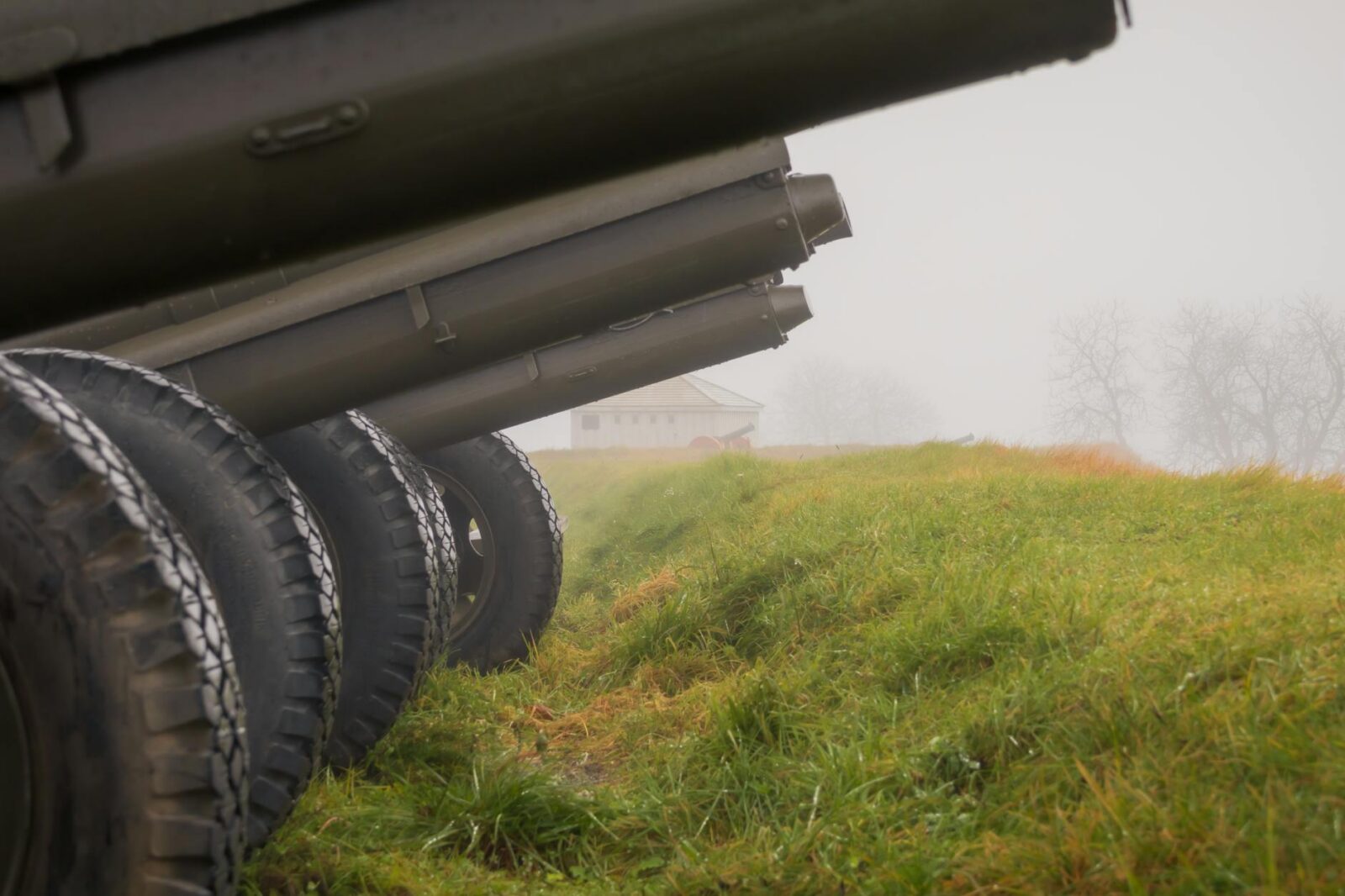
In a significant strategic reevaluation, discussions are underway regarding the potential withdrawal of U.S. troops stationed in Europe. This move is being considered as a means to accelerate Europe’s own defense capabilities amidst escalating geopolitical tensions, particularly in light of Russia’s ongoing military activities and the broader implications for NATO’s collective security.
The conversations are fueled by a growing consensus among European leaders that reliance on U.S. military presence may be hindering their own defense investments. High-ranking officials from NATO member states, including Germany and France, are advocating for increased defense budgets and enhanced military cooperation within Europe. The urgency of the situation is underscored by recent reports indicating that European defense spending remains significantly below the NATO guideline of 2% of GDP, with many nations lagging in their commitments.
This potential shift is critical not only for Europe but also for the United States, which has been reassessing its global military commitments. The Biden administration has signaled a desire to focus on the Indo-Pacific region, prompting discussions about how to balance commitments in Europe with emerging threats from China. The reallocation of troops may serve as a catalyst for European nations to bolster their defense industries and develop a more autonomous military capability.
Looking ahead, the implications of this strategic pivot could reshape NATO’s operational dynamics and redefine the U.S.-European defense relationship. If European nations successfully increase their military readiness, it could lead to a more balanced transatlantic partnership. However, failure to do so may leave Europe vulnerable and reliant on U.S. support at a time when global security challenges are becoming increasingly complex.
Source: Stars and Stripes









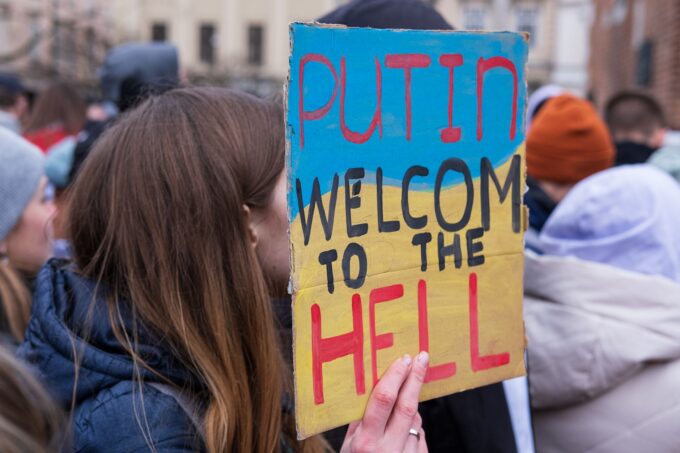
Putin Signals Possible Conclusion to Russia-Ukraine Conflict as Tensions Shift
Global leaders must assess the implications of a potential end to the...
 1 Mins read
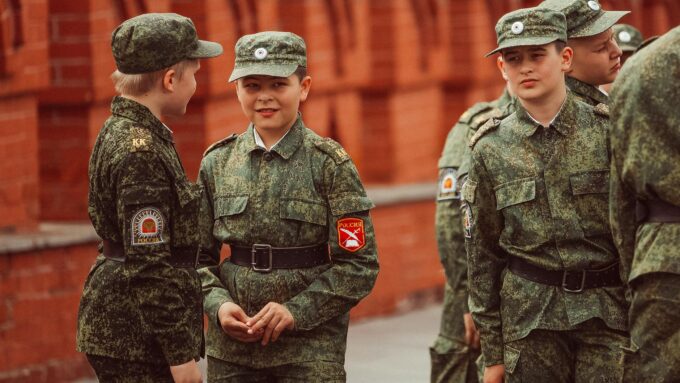
Russia Intensifies Military Offensive in Ukraine; Civilian Casualties Rise
The global community must respond to escalating violence in Ukraine as civilian...
1 Mins read
UFC Fighters Make History with Unprecedented Event at the White House
The historic UFC event at the White House showcases a unique intersection...
1 Mins read


Tensions Escalate as Donald Trump Berates Benjamin Netanyahu During Call on Lebanon Crisis
The heated exchange between Trump and Netanyahu underscores the volatility of Middle...
1 Mins read

Leave a comment