
Russia Intensifies Military Offensive in Ukraine; Civilian Casualties Rise
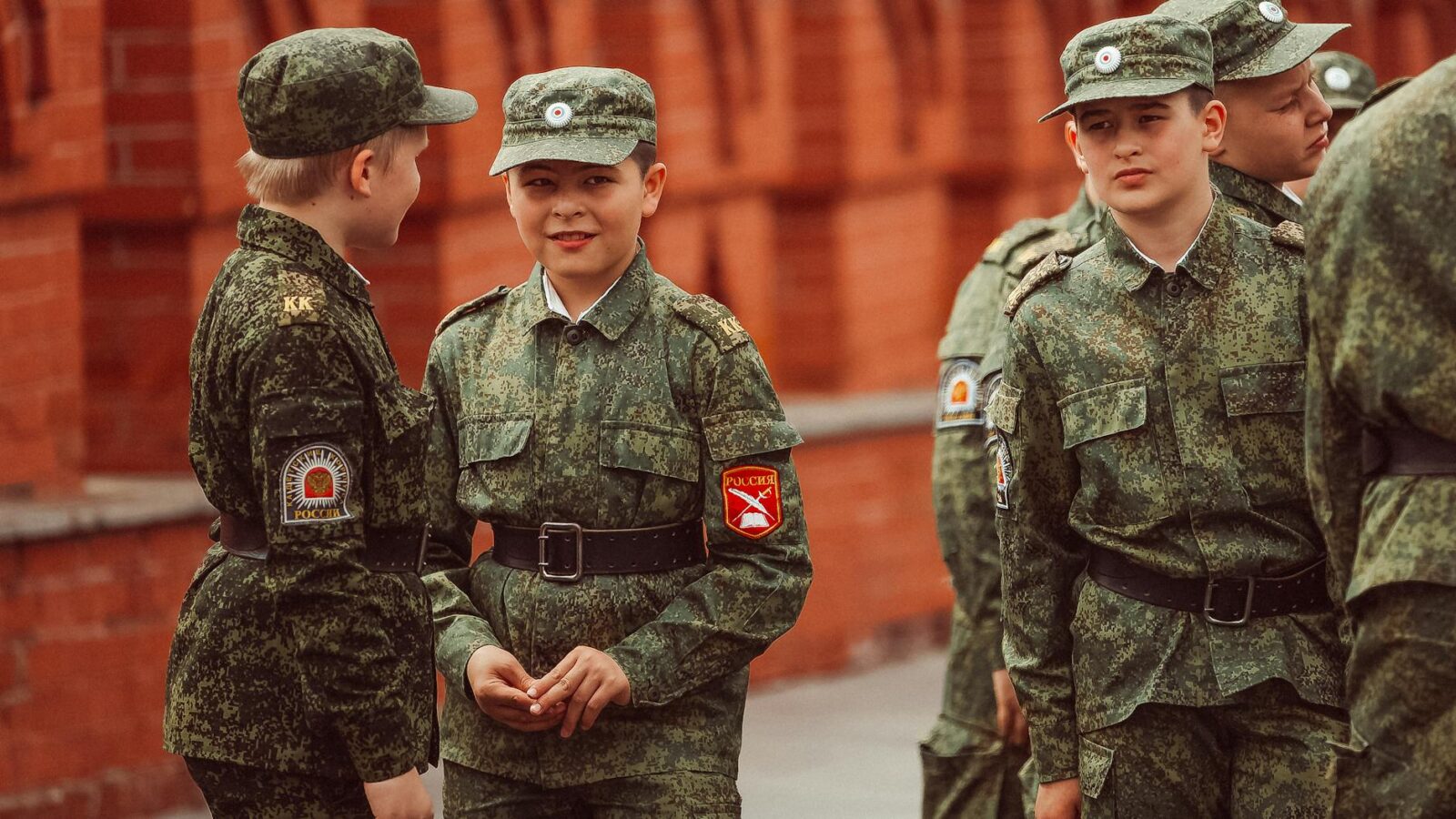
On June 2, 2026, Russia has launched a significant military offensive across Ukraine, marking a troubling escalation in hostilities that have persisted since the onset of the conflict in 2014. Reports indicate that multiple cities, including Kyiv and Kharkiv, have come under heavy bombardment, leading to widespread destruction and civilian casualties. A particularly devastating incident occurred when a missile struck a residential building, resulting in its collapse and trapping several individuals inside.
The Ukrainian government, led by President Volodymyr Zelensky, has condemned the attacks, calling for immediate international support and emergency assistance. The Ukrainian military is mobilizing its forces in response, but the scale of the Russian assault poses a serious challenge. As of this morning, the Ukrainian Minister of Internal Affairs reported at least 30 civilians confirmed dead and dozens more injured, with rescue operations ongoing in several affected areas.
This latest offensive is significant not only for its immediate humanitarian implications but also for its potential to alter the geopolitical landscape in Eastern Europe. The international community, particularly NATO and the European Union, is closely monitoring the situation, recognizing that an escalation could lead to broader regional instability. The ongoing violence raises urgent questions about the effectiveness of diplomatic efforts and the need for a unified response to Russian aggression.
Looking ahead, the potential for further military escalation remains high. Analysts suggest that if the current trend continues, it may prompt NATO to reassess its military posture in Eastern Europe, potentially leading to increased troop deployments along its eastern flank. Additionally, the humanitarian crisis is likely to deepen, calling for a coordinated international response to address the impending influx of refugees and the urgent need for aid. The world watches closely as the situation develops, understanding that the fate of Ukraine could have profound implications for global security and stability.
Source: The Times of India









Putin Signals Possible Conclusion to Russia-Ukraine Conflict as Tensions Shift
Global leaders must assess the implications of a potential end to the...
 1 Mins read

UFC Fighters Make History with Unprecedented Event at the White House
The historic UFC event at the White House showcases a unique intersection...
1 Mins read

Tensions Escalate as Donald Trump Berates Benjamin Netanyahu During Call on Lebanon Crisis
The heated exchange between Trump and Netanyahu underscores the volatility of Middle...
1 Mins read



Trump’s Weaponisation Fund Faces Congressional Opposition, Halted as Political Tensions Rise
The suspension of Trump's fund highlights escalating partisan divides and its implications...
1 Mins read
Leave a comment