
President Trump Acknowledges Rescheduled White House Correspondents’ Dinner as ‘Hot Ticket’
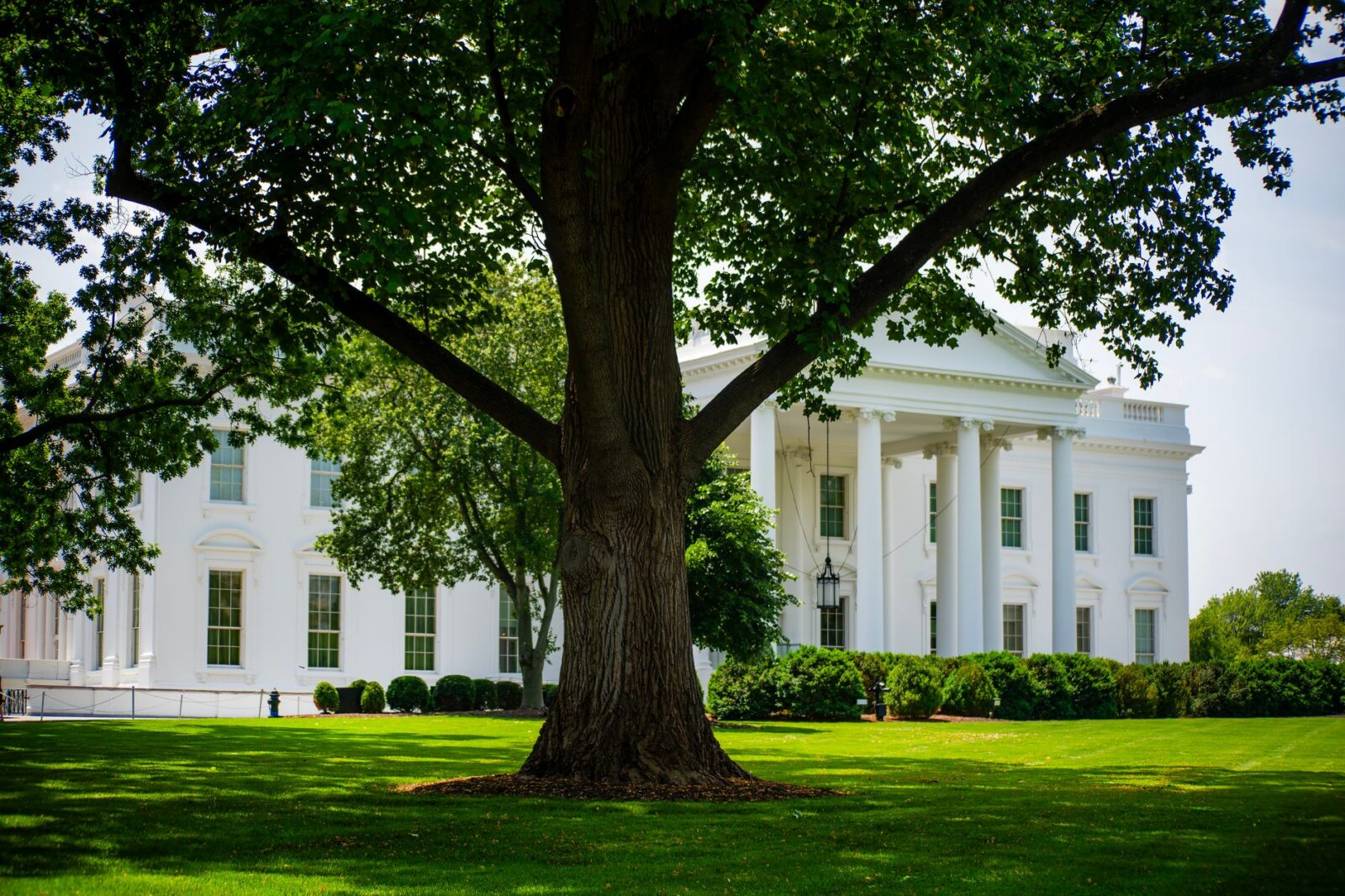
On June 2, 2026, President Donald Trump publicly acknowledged the rescheduled White House Correspondents’ Dinner, describing it as a ‘hot ticket’ event. This dinner, traditionally a gathering of journalists, politicians, and celebrities, was postponed due to scheduling conflicts and heightened political tensions following the recent presidential campaign. Trump’s remarks reflect a keen awareness of the event’s significance in the current political climate.
The dinner, which serves as both a celebration of journalism and a platform for political commentary, has historically been a barometer for the relationship between the media and the presidency. In the wake of Trump’s tenure, marked by contentious interactions with the press, this year’s dinner is poised to be particularly noteworthy. It will feature not only the usual roster of media figures but also prominent political personalities, underscoring the ongoing dialogue about the role of journalism in democracy.
Trump’s characterization of the dinner as a ‘hot ticket’ underscores its anticipated popularity amid a landscape where media scrutiny and political narratives are increasingly intertwined. The event is expected to draw significant attention, with implications for public perception of both the media and the administration. As the dinner approaches, it could serve as a critical moment for Trump to re-engage with the journalistic community, potentially influencing future interactions between his administration and the press.
Looking ahead, the dinner may set the tone for the upcoming political discourse as the nation prepares for the next electoral cycle. With Trump’s continued prominence in political discussions and his relationship with the media under scrutiny, the event could either bridge gaps or exacerbate existing tensions between the administration and journalists. The global community will be watching closely as this event unfolds, recognizing its potential impact on democratic discourse and media integrity.
Source: Us Weekly









White House Celebrates Hillary Clinton’s Birthday with Provocative Social Media Post
The White House's birthday message to Hillary Clinton underscores ongoing political tensions...
 1 Mins read
President Trump Reports $2.2 Billion Windfall in First Year of Second Term
Trump's substantial earnings from cryptocurrency raise significant questions about the intersection of...
1 Mins read

Trump Reports Over $1 Billion Earnings from Crypto Ventures Following White House Return
Trump's substantial crypto earnings raise questions about regulatory implications and market stability...
1 Mins read


Trump Intensifies Focus on Construction Projects Amid Political Landscape Shift
Trump's renewed emphasis on construction projects signals a significant shift in his...
1 Mins read
