
Pope Leo Visits Divided Spain Amid Secular Tensions
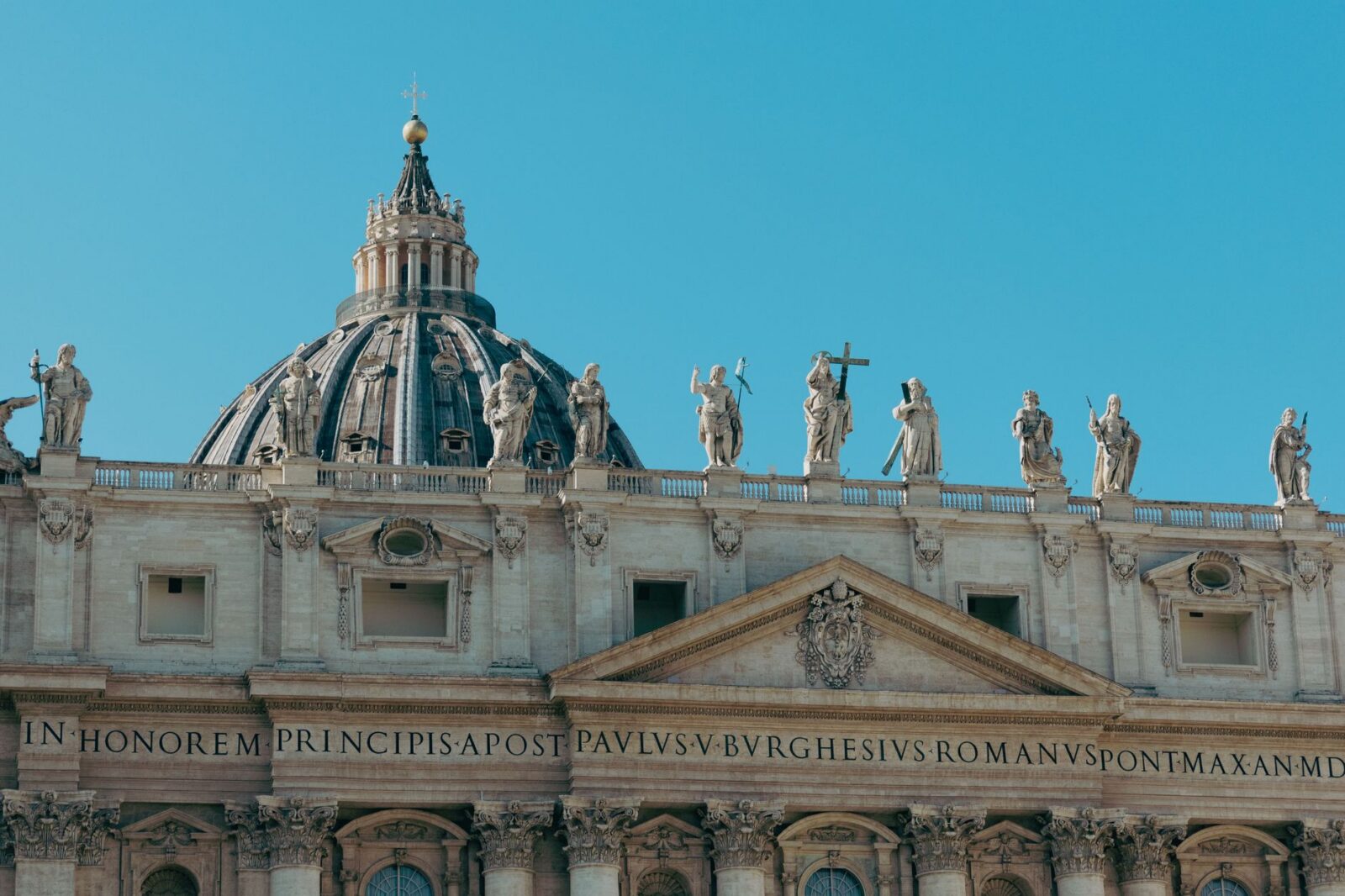
Pope Leo is set to embark on a significant visit to Spain, a nation marked by stark political polarization and a rising tide of secularism. This visit, scheduled for later this week, comes at a time when Spain grapples with deep ideological divides, particularly between conservative factions that uphold traditional Catholic values and progressive movements advocating for secular governance. The Pope’s presence in such a charged environment raises questions about the role of religion in public life and governance.
The backdrop of this visit is critical; Spain has undergone substantial cultural shifts in recent decades, with a notable decline in religious affiliation among its populace. According to recent surveys, approximately 60% of Spaniards now identify as non-religious, a stark contrast to the country’s historically Catholic roots. This demographic shift reflects broader trends across Europe, where secularism continues to rise, often leading to tensions between religious institutions and state policies.
Pope Leo’s visit is not merely a religious pilgrimage but a strategic engagement aimed at fostering dialogue between the Catholic Church and a society increasingly skeptical of its authority. The Vatican has emphasized the importance of this visit, highlighting the Pope’s desire to promote unity and reconciliation in a divided nation. This is particularly pertinent as Spain faces pressing social issues, including immigration, economic inequality, and regional independence movements.
The implications of this visit extend beyond Spain. As global leaders and thinkers observe the Pope’s interactions with Spanish society, they may draw lessons on the relationship between faith and governance in secular contexts. The outcomes of this visit could influence how religious institutions navigate their roles in modern democracies, potentially shaping policies and societal attitudes in other secular nations. Observers will be keen to see if Pope Leo can bridge divides and offer a vision of coexistence that resonates in Spain and beyond.






Pope Leo XIV Prepares for Historic Visit to Barcelona’s Sagrada Familia
Pope Leo XIV's upcoming visit to the Sagrada Familia underscores the basilica's...
 1 Mins read
Pope Leo Returns to Apostolic Palace Amidst Controversy
Pope Leo's relocation back to the Apostolic Palace raises critical questions about...
1 Mins read
Pope Leo Appoints First Lay Woman to Senior Vatican Role
This historic appointment signifies a pivotal shift in the Catholic Church's approach...
1 Mins read


Pope Appoints First Woman to Lead Vatican Department, Marking Historic Milestone
This unprecedented appointment signals a transformative shift in the Catholic Church's leadership...
1 Mins read

Leave a comment