
A Clash of Creativity: Artists Rally Against the Venice Biennale

Defiance in the Art World
In a dramatic turn of events, over a hundred artists have banded together, threatening legal action against the venerable Venice Biennale. This coalition, comprised of independent voices and established names alike, is challenging the integrity of one of the most influential art events in the world. The artists allege that their requests for removal from the nominations for the Visitors’ Lions prize were ignored, sparking a debate over the Biennale’s adherence to ethical practices within the art community.
A Historical Context of the Biennale
Since its inception in 1895, the Venice Biennale has served as a beacon of contemporary art, showcasing the work of groundbreaking artists from around the globe. This prestigious event is not merely a platform for display; it is a crucible for artistic dialogue, innovation, and recognition. However, the recent uproar underscores a growing concern regarding the decision-making processes that govern such high-stakes exhibitions.
The Artists’ Perspective
The artists’ grievances resonate deeply within the creative community. Many feel that their inclusion in the Visitors’ Lions prize vote, without their consent, undermines their artistic autonomy and the integrity of the competition itself. Such actions, they argue, not only compromise the spirit of the Biennale but also reflect a broader issue of representation and fairness in the art world. The Venice Biennale, a once-unassailable institution, now finds itself at the center of a storm fueled by discontent and a call for accountability.
The Biennale’s Response
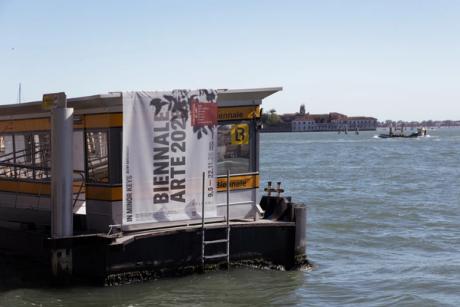
In response to the allegations, the Biennale organizers have disputed the claims made by the artists. They assert that the processes in place are designed to uphold artistic freedom and inclusivity. However, this defense raises pivotal questions about transparency and communication between artists and event organizers. The tension between the two factions highlights an essential struggle within the art world—how to balance institutional power with the voices of individual creators.
Market Significance and Rarity
The implications of this unfolding drama extend beyond the immediate conflict. The Venice Biennale is not only a cultural landmark but also a significant player in the global art market. The visibility that artists gain from participating can lead to increased value in their works, making the stakes particularly high. As collectors and investors closely monitor these developments, the potential fallout could shift the dynamics of how art is curated, presented, and valued in contemporary society.
The Legacy of Artistic Movements
This incident serves as a stark reminder of the power dynamics that exist within the art world. The actions taken by the artists could herald a new wave of activism, where creators advocate for their rights and seek to redefine the parameters of their engagement with established institutions. The legacy of this movement may echo for years to come, influencing not only how future biennales are organized but also how artists perceive their roles within the larger cultural narrative.
Looking Ahead
As the Venice Biennale grapples with this unprecedented challenge, one cannot help but wonder how the outcome will reshape the art landscape. Will it foster a renewed commitment to ethical practices, or will it further entrench existing power structures? The world watches closely, as the repercussions of this moment may ripple through the art community, affecting artists, collectors, and institutions alike.
Editorial note: This article was created by A Bit Lavish Miami’s Magazine as an original editorial reinterpretation based on publicly available reporting. Original source: theartnewspaper.com. Read the original article here: https://www.theartnewspaper.com/2026/06/04/more-than-100-artists-threaten-legal-action-against-venice-biennale.
Images are used for editorial reference with source credit. If an image requires correction or removal, please contact A Bit Lavish.








The Art of Resilience: A New Era for Galleries in a Changing Market
Explore how galleries like Pace are redefining growth strategies in the evolving...
 2 Mins read

A New Era at the Bass Museum: Philippe Vergne Takes the Helm
Explore the transformative vision of Philippe Vergne as he steps into the...
 ABL2 Mins read

The London Gallery Weekend: A Curator’s Journey Through Artistic Excellence
Explore the highlights of the London Gallery Weekend 2026 through carefully curated...
ABL2 Mins read


A New Chapter in Illustration: The Legacy of Quentin Blake Unveiled
Discover the significance of Quentin Blake's upcoming Centre for Illustration in London,...
ABL2 Mins read

Leave a comment