
Top Trump Artificial Intelligence Adviser Resigns from White House

In a significant development within the Trump administration, the White House announced today that a leading adviser on artificial intelligence (AI) is set to resign. This adviser, whose name has not been disclosed, has played a pivotal role in shaping the administration’s approach to AI policy, which has been a focal point of both domestic and international discussions regarding technological advancement and economic competitiveness.
This resignation comes at a critical juncture as the U.S. faces intensified competition from nations such as China, which has been rapidly advancing its AI capabilities. The implications of this departure extend beyond mere personnel changes; it raises questions about the future direction of U.S. AI strategy and its ability to maintain a leadership position in global technology innovation. The adviser’s exit may signal a potential shift in the administration’s focus, particularly as it grapples with balancing economic interests and ethical considerations surrounding AI deployment.
Currently, the global landscape for AI is marked by an urgent need for collaboration and regulation, with various stakeholders—including governments, private sector leaders, and civil society—calling for frameworks that ensure responsible AI development. The U.S. has been under pressure to articulate a coherent strategy that not only fosters innovation but also addresses concerns related to privacy, security, and job displacement.
Looking ahead, this resignation could lead to a re-evaluation of the administration’s AI initiatives, particularly as the 2026 midterm elections approach. The outcome could influence how the U.S. positions itself against global competitors and whether it can effectively leverage AI to bolster economic growth and technological leadership. Stakeholders in the AI sector will be closely monitoring this situation, as the implications of a changing advisory team could reverberate through the industry and impact investments and partnerships worldwide.
Source: The Washington Post






Traditionalist Catholics Challenge Pope Leo XIV’s Authority, Embrace Outsider Identity
The growing rift among traditionalist Catholics signifies a pivotal moment in the...
 1 Mins read
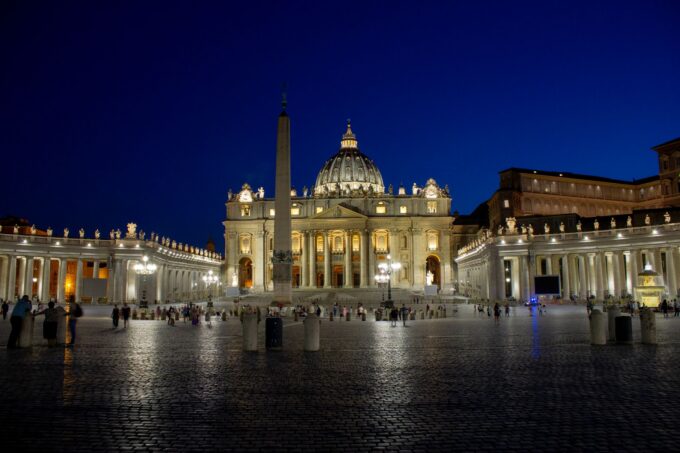
Pope Leo XIV Opens Consistory, Urges Cardinals to Foster Global Unity in Faith
Pope Leo XIV's call for unity among cardinals underscores the Catholic Church's...
1 Mins read

Cardinals Consider Replacing ‘Just War’ Doctrine with ‘Proportional Defense’ Framework
The potential shift from 'just war' to 'proportional defense' could redefine Catholic...
1 Mins read
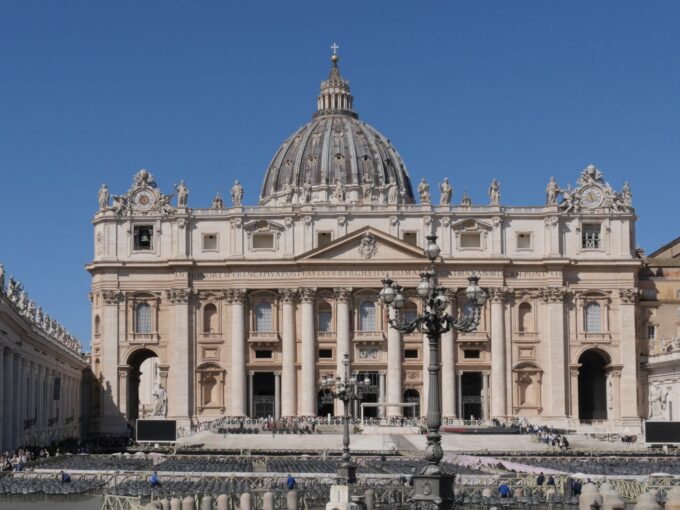


Pope Appoints Former Undocumented Migrant as Bishop in the United States
This historic appointment highlights the Catholic Church's stance on immigration and inclusion,...
1 Mins read