
Reviving Modernist Masterpieces: SOM’s Journey into Design Archives
A New Chapter in Iconic Design
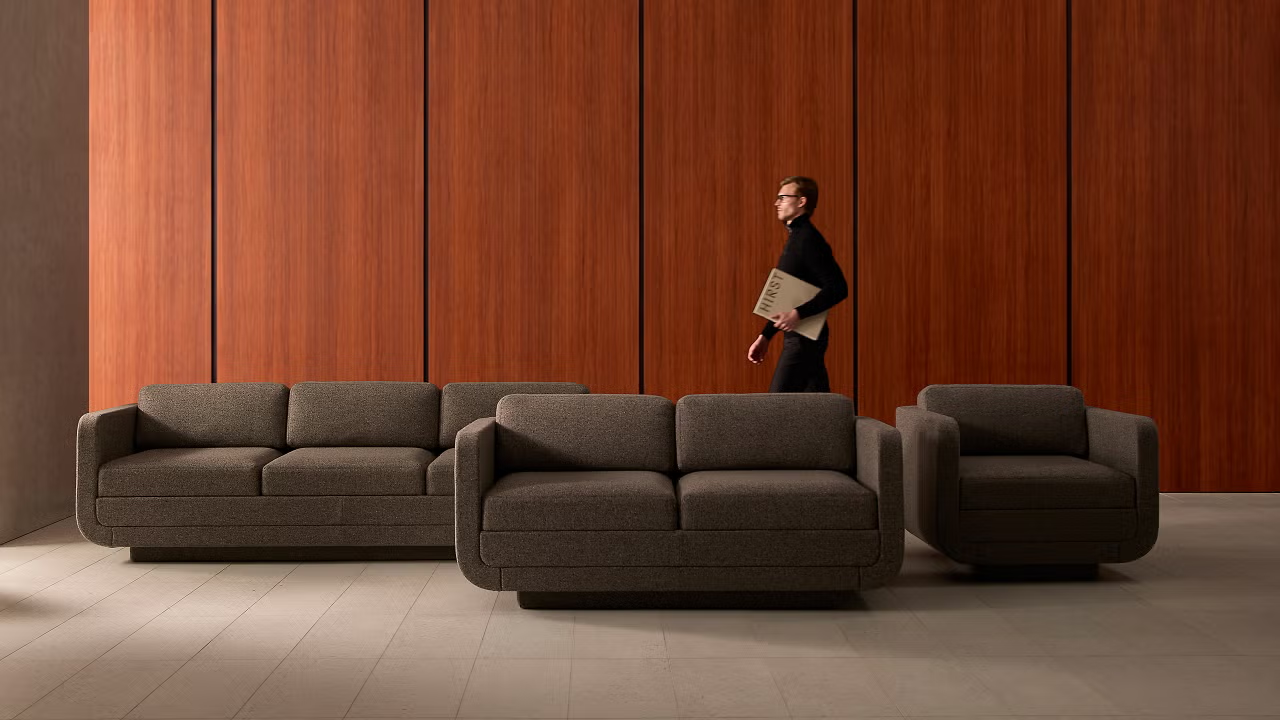
Skidmore, Owings & Merrill (SOM), a name synonymous with corporate architectural prowess, is stepping beyond its celebrated skyscrapers to revive a lesser-known aspect of its legacy: furniture design. Known for shaping the skylines of American cities with structures like the Sears Tower and Lever House, SOM is now breathing new life into its archive of bespoke furniture, collaborating with Teknion’s IkonStudio to bring these unique pieces to a broader audience.
From Archive to Marketplace
This initiative marks a significant departure from SOM’s traditional focus. Chris Cooper, a partner at SOM, describes the process as a holistic examination of their extensive design history. “We decided to open up the archives and explore everything we had,” Cooper explains. The meticulous process involved sifting through hundreds of designs to curate a selection that resonates with contemporary sensibilities.
A Timeless Aesthetic for Modern Needs
The furniture items being reintroduced are not mere reproductions; they are thoughtfully reimagined pieces that reflect the needs and preferences of today’s market. Julia Murphy, another partner at SOM, notes that the firm’s historical approach was to create designs that harmonized with the architecture and client requirements. “It’s been interesting to identify enduring designs that encapsulate the essence of SOM,” she states.
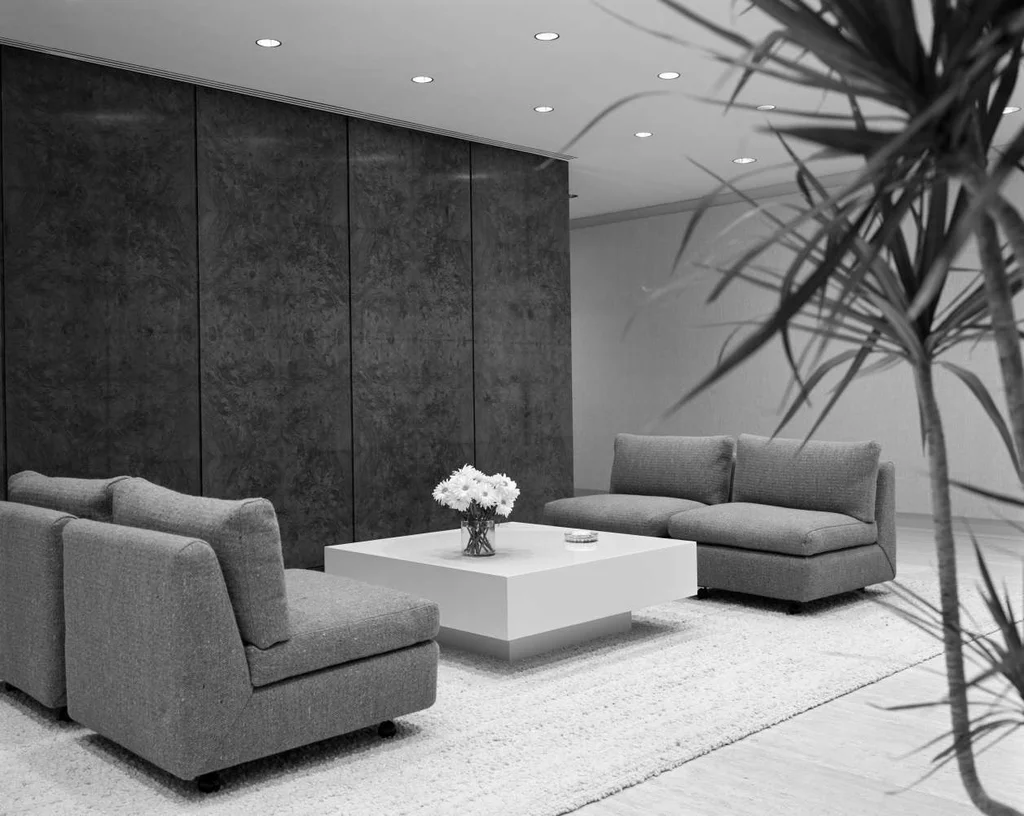
Among the first pieces to be unveiled are a sleek sofa and an easy chair originally designed for IBM’s headquarters in the late 1950s, and a stylish tubular chrome table and chair set created for renowned fashion designer Halston in the 1970s. These selections reflect a fertile mid-century period when innovative furniture systems emerged to cater to post-war demands.
Design with Purpose
SOM’s commitment to modernity extends beyond aesthetic appeal. Each piece has undergone a rigorous review process to incorporate contemporary materials and ergonomic improvements. This includes the use of non-toxic foams and environmentally friendly coverings, ensuring that the designs not only look good but are also safe and sustainable. “We’re not replicating historic pieces; we’re leveraging great design for the future,” Cooper emphasizes.
Anticipating Future Trends
The collaboration with Teknion does not just signify a momentary revival but hints at a sustained interest in the intersection of architecture and furniture design. With SOM’s expansive archive, the potential for future releases is vast. The firm’s ability to adapt historical designs for mass production speaks to a broader trend in the design industry, where the emphasis is increasingly on sustainability and user-centric approaches.
The Miami Connection
As Miami continues to position itself as a global design hub, the revival of SOM’s furniture designs resonates deeply with the city’s ethos of innovation and luxury. The melding of historical significance with modern-day relevance could find a vibrant audience in Miami’s upscale commercial and residential spaces, where design excellence is paramount. The city’s architectural landscape, already enriched by a blend of styles, could benefit from these thoughtfully crafted pieces that tell a story of both past and future.
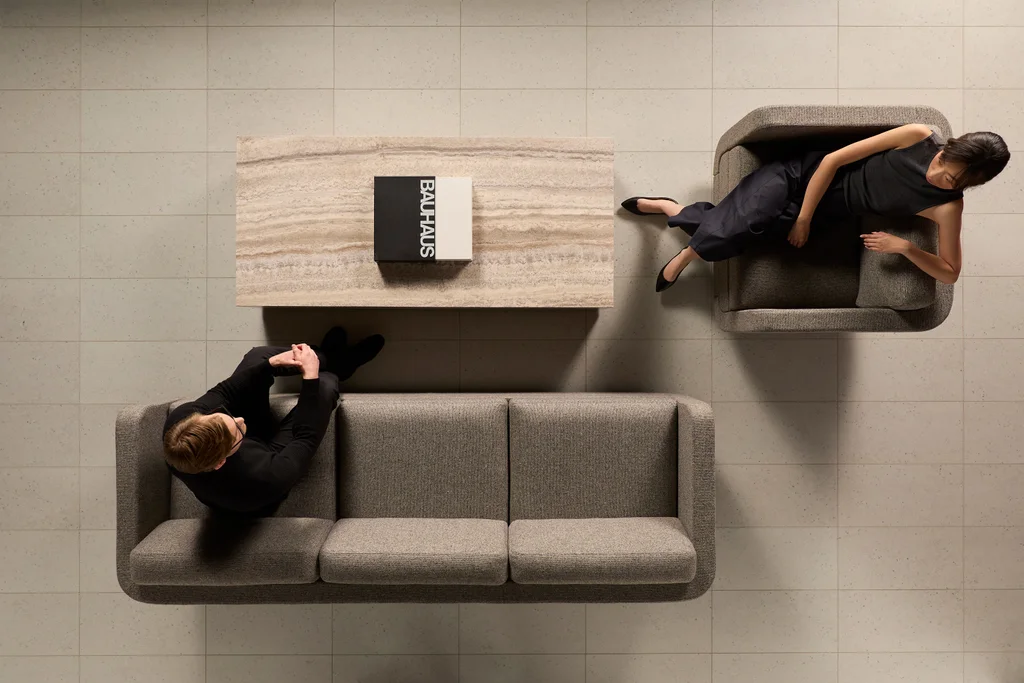
In a world where design is often ephemeral, SOM’s initiative to resurrect its furniture designs is not just a nostalgic nod to the past but a strategic move that aligns with current market trends. As these pieces find their way into modern environments, they invite a new generation to appreciate the artistry of mid-century design, updated for today’s discerning clientele.

Editorial note: This article was created by A Bit Lavish Miami’s Magazine as an original editorial reinterpretation based on publicly available reporting. Original source: fastcompany.com. Read the original article here: https://www.fastcompany.com/91553224/som-architecture-furniture-archive.
Images are used for editorial reference with source credit. If an image requires correction or removal, please contact A Bit Lavish.










Redefining Workplace Harmony: The Art of Avoiding Burnout
Exploring the nuanced factors behind workplace burnout and how leaders can cultivate...
 2 Mins read

Redefining Talent in the Age of AI: The Rise of Exceptionalism
Explore how AI is reshaping the recruitment landscape, emphasizing quality over quantity...
3 Mins read

The Knicks Merch Phenomenon: A Cultural and Economic Exploration
Discover the impact of Knicks merchandise on New York's economy and culture...
3 Mins read


Reviving Connections: The Rise of Repair Cafés in the Age of Anti-Consumerism
Explore the emergence of Repair Cafés as a response to anti-consumerism, fostering...
3 Mins read

Leave a comment