
Sam Bankman-Fried Seeks Pardon from Trump Following FTX Conviction

On June 8, 2026, Sam Bankman-Fried, the co-founder of the now-defunct cryptocurrency exchange FTX, formally requested a pardon from former President Donald Trump. This development comes in the wake of Bankman-Fried’s conviction on multiple counts of fraud and conspiracy, related to the collapse of FTX, which resulted in billions of dollars in losses for investors and significant turmoil within the cryptocurrency market.
Bankman-Fried, once hailed as a leading figure in the cryptocurrency sector, was sentenced to a lengthy prison term after being found guilty of deceiving investors and misappropriating funds. His appeal for a pardon is particularly noteworthy, as it underscores the contentious intersection of politics and the rapidly evolving landscape of digital finance. The request raises questions about the potential for leniency in cases involving high-profile financial crimes, especially in a politically charged environment.
The implications of Bankman-Fried’s case are far-reaching. As the cryptocurrency market continues to grapple with regulatory uncertainty, the outcome of this pardon request could influence public perception of the industry and set a precedent for how similar cases are handled in the future. With cryptocurrency regulation being a hot-button issue, particularly in the United States, politicians and regulators are closely monitoring this situation, which could further shape legislative frameworks.
Looking ahead, if Trump, who has previously expressed sympathy for Bankman-Fried, were to grant the pardon, it could ignite a firestorm of debate regarding the ethics of financial accountability and the responsibilities of tech entrepreneurs. Conversely, a denial could serve to reinforce the message that financial malfeasance will not be tolerated, potentially leading to stricter regulatory measures across the cryptocurrency sector as authorities seek to restore confidence among investors.
Source: Gulf News








Russia Signals Nuclear Readiness Amid Ukrainian Drone Strikes on Crimea Supply Lines
The escalation of nuclear rhetoric from Russia and drone disruptions in Crimea...
 1 Mins read

Platner Launches Aggressive Campaign Against Collins Ahead of Key Elections
The escalating campaign rhetoric between Platner and Collins highlights critical divisions in...
1 Mins read
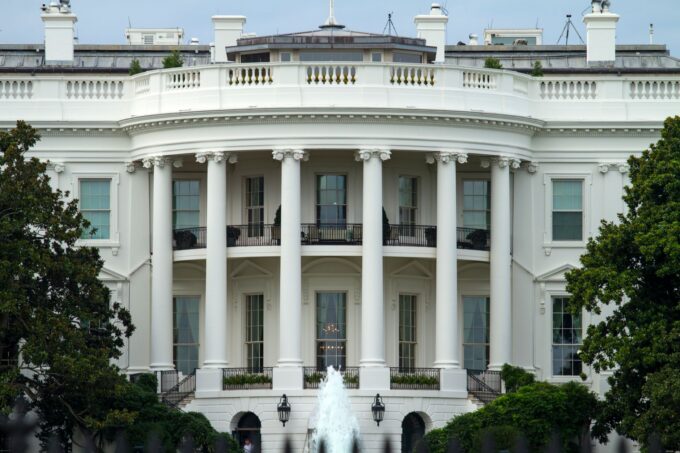
White House Denies Claims of Trump Sleeping at NBA Game
The White House's strong denial of Trump’s alleged behavior underscores the ongoing...
1 Mins read
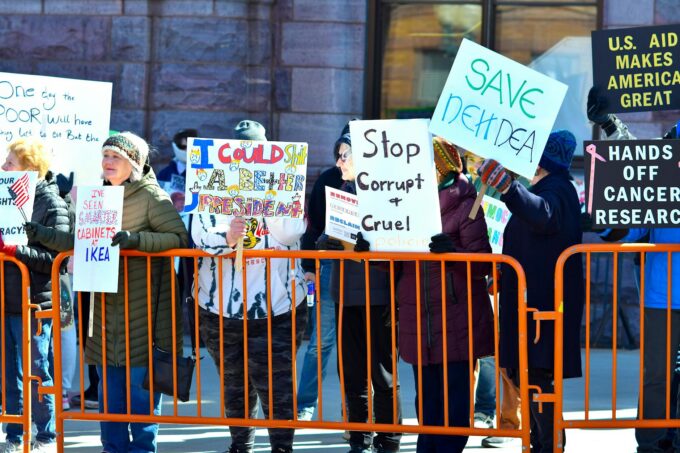


Trump’s Benefactors Secure $50 Billion in Government Contracts Amid Controversy
The substantial allocation of contracts to Trump's donors raises critical questions about...
1 Mins read
Leave a comment