
Hezbollah Intensifies Conflict with Rocket Barrages Against IDF on June 16, 2026

On June 16, 2026, Hezbollah launched a series of rocket barrages targeting the Israel Defense Forces (IDF), marking a significant violation of the current ceasefire agreement in the region. This escalation in hostilities comes amidst fragile negotiations aimed at maintaining peace after a prolonged period of tension along the Israel-Lebanon border.
The attacks, which reportedly involved dozens of projectiles, were aimed at IDF positions in northern Israel. While there have been no immediate reports of casualties, the sheer volume of the assaults signals a deliberate strategy by Hezbollah to assert its military capabilities and challenge Israel’s defensive posture. The Iranian-backed militant group has previously engaged in similar tactics, using rocket fire as both a military and psychological tool against its adversaries.
This incident is crucial for several reasons. Firstly, it highlights the precarious nature of the ceasefire that has been tenuously upheld since early May 2026, following a series of skirmishes that resulted in numerous casualties on both sides. The renewed hostilities risk drawing in broader regional powers and complicating the already intricate geopolitical landscape, particularly as Israel has vowed to respond decisively to any aggression.
Looking ahead, the potential for an escalated conflict raises alarms among global leaders and diplomats who have been invested in stabilizing the region. The United Nations and various international stakeholders may need to intervene to mediate a renewed dialogue between Israel and Hezbollah to prevent further violence. Should the situation deteriorate, it could lead to a larger confrontation, impacting not only Israeli security but also the broader Middle East stability, with repercussions felt across economic and diplomatic spheres worldwide.
Source: World Israel News








Netanyahu Faces Domestic Backlash Over Trump’s Iran Deal on June 16, 2026
The global implications of Netanyahu's struggle with Trump's Iran deal highlight rising...
 1 Mins read
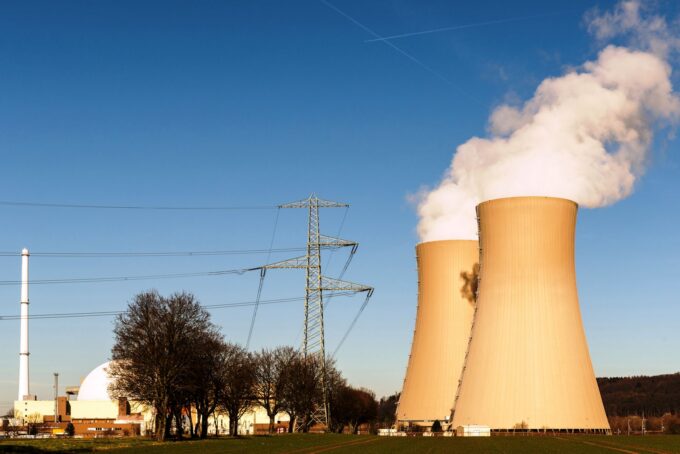
Iran Nuclear Deal Poses Significant Challenge for Netanyahu
The renewed Iran nuclear deal complicates Israel's geopolitical stance and raises concerns...
1 Mins read
Israeli Airstrikes Claim Four Lives in Gaza as Ceasefire Negotiations Continue
The latest violence in Gaza underscores the fragility of peace efforts in...
1 Mins read



Trump’s War Aims Fail, Strengthening Iran’s Regime
The implications of Trump's military strategies have backfired, bolstering Iran's influence and...
1 Mins read

Leave a comment