
6.7 Magnitude Earthquake Strikes Indonesia on June 16, 2026
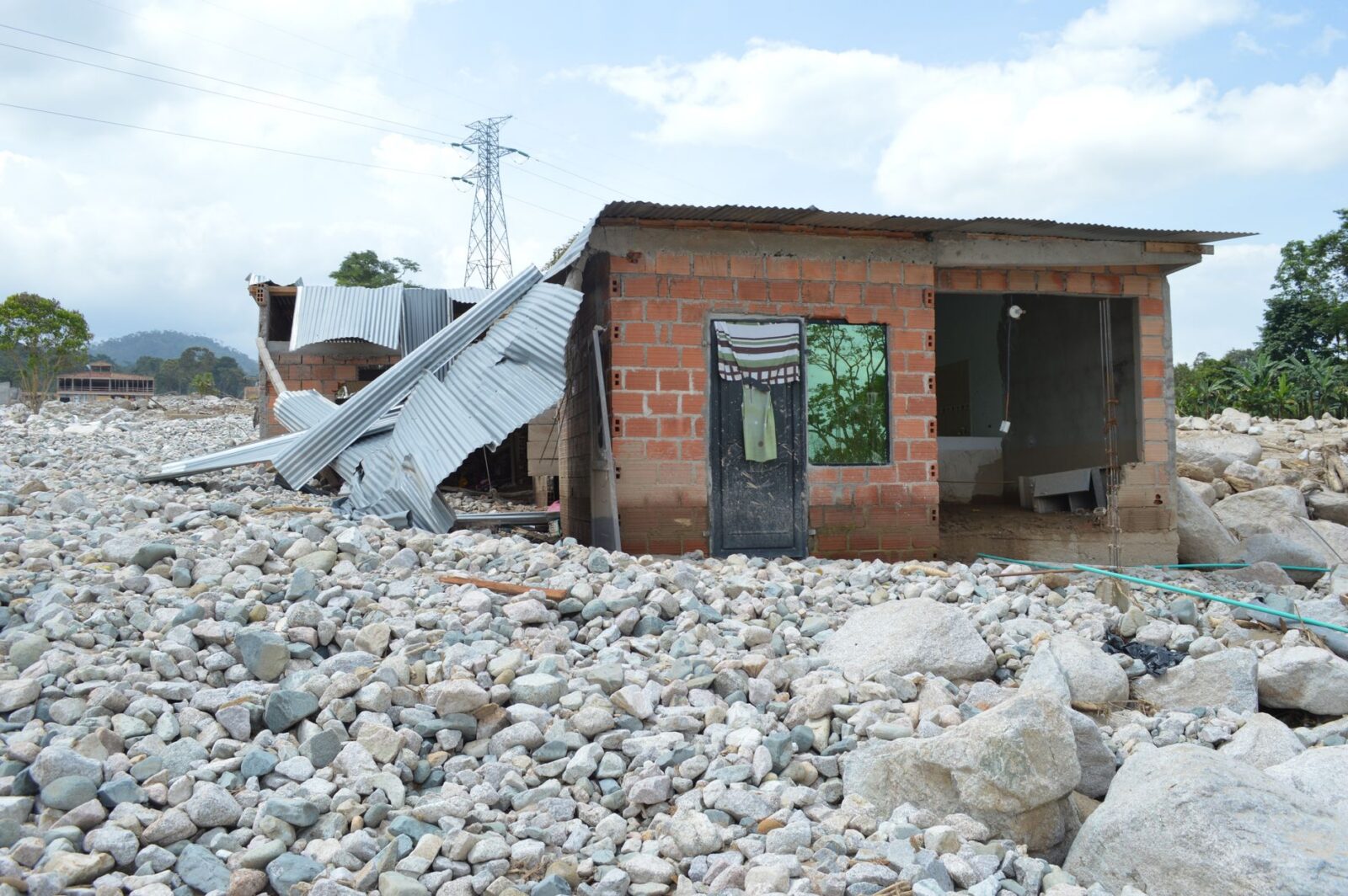
On June 16, 2026, a powerful 6.7 magnitude earthquake struck off the coast of Indonesia, specifically near the island of Sumatra. The quake, occurring at 19:44 UTC, generated immediate concerns regarding potential tsunamis and the safety of the densely populated coastal regions. Initial reports indicate that the epicenter was located approximately 45 kilometers west of the city of Padang, a region known for its vulnerability to seismic activity due to its position along the Pacific Ring of Fire.
The Indonesian government, led by President Joko Widodo, has mobilized emergency response teams to assess the situation and provide assistance to affected communities. As of the latest updates, there have been no confirmed fatalities, but the potential for infrastructure damage remains significant, particularly in coastal areas where buildings may not adhere to stringent earthquake-resistant standards.
This earthquake is particularly important in the context of global disaster preparedness and response strategies. Indonesia, home to over 270 million people, is frequently impacted by natural disasters, making its response mechanisms critical for international humanitarian efforts. The incident highlights the need for continued investment in disaster resilience, not just in Indonesia, but globally, as such seismic events can disrupt supply chains and economic stability in interconnected markets.
Looking ahead, seismologists and disaster management experts are closely monitoring the situation for aftershocks, which are common following significant earthquakes. The global community should remain vigilant, as Indonesia’s geographical position means that any seismic activity can have far-reaching implications. The ongoing assessment of damages and the effectiveness of response measures will inform future policies aimed at mitigating the impacts of similar events in the future.
Source: MillenniumPost










Gaza Students Resort to Writing on Aid Boxes Amid Severe Paper Shortages
The ongoing paper shortages in Gaza highlight the humanitarian crisis affecting education...
 1 Mins read

China’s UN Envoy Urges Israel to Adhere to Gaza Ceasefire Amid Escalating Tensions
China's call for Israel to uphold the Gaza ceasefire highlights the urgent...
1 Mins read

White House Highlights Delayed Obama Presidential Center to Elevate Trump’s Legacy as ‘Builder-in-Chief’
The delayed inauguration of the Obama Presidential Center underscores the contrasting legacies...
1 Mins read


Trump’s Executive Power Ambitions Emerge in New Book
The global implications of Trump's increasing push for executive power resonate amid...
1 Mins read

Leave a comment