
Pope Leo Declares Remigration Un-Christian in Recent Address
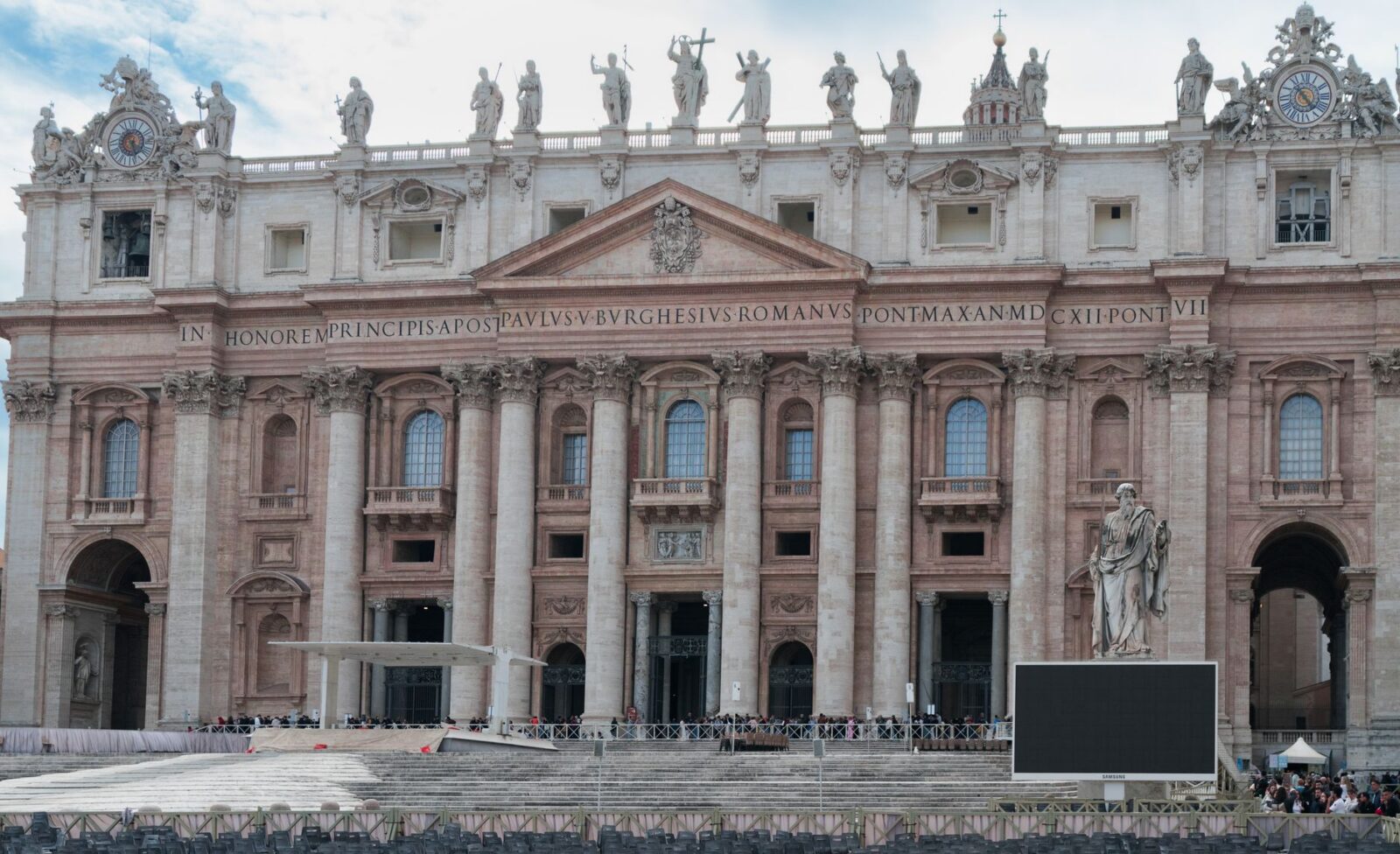
In a significant address delivered on June 16, 2026, Pope Leo articulated a profound critique of the concept of remigration, stating unequivocally that it is “not a Christian response.” This statement comes amidst ongoing debates about migration policies worldwide, particularly in Europe and North America, where discussions about the return of migrants to their countries of origin have intensified in recent months.
Pope Leo’s remarks resonate deeply within the context of the Catholic Church’s long-standing advocacy for the rights and dignity of migrants. By rejecting remigration, he underscores a moral framework that prioritizes compassion and humanitarian responsibility over political expediency. His comments are particularly timely as nations grapple with the complexities of migration, refugee crises, and the associated socio-economic challenges that arise from large-scale human displacement.
This declaration is not merely a theological stance; it holds significant implications for global migration policies. As countries are increasingly polarized on the issue of immigration, the Pope’s words may influence policymakers and public opinion alike. The Catholic Church, with its substantial global reach and moral authority, could play a pivotal role in shaping a more humane approach to migration, one that emphasizes integration rather than exclusion.
Looking ahead, the ramifications of Pope Leo’s statement could lead to renewed dialogues among world leaders, particularly in the European Union, where member states are often divided on how to handle incoming migrants. As humanitarian organizations call for a more compassionate response, it is possible that the Pope’s address could serve as a catalyst for policy reform aimed at supporting migrants rather than repatriating them. The global community must now consider how to align national policies with ethical imperatives, making this an urgent issue for governments and institutions worldwide.
Source: Agenzia Nova



Pope Leo XIV Declines Meeting with SSPX, Considers Further Appeals Ahead of Consecrations
Pope Leo XIV's stance on the SSPX has significant implications for Catholic...
 1 Mins read
Cardinal Camillo Ruini Passes Away, Leaving a Void in Global Catholic Leadership
The death of Cardinal Camillo Ruini marks a significant loss for the...
1 Mins read
Pope Leo Reiterates Nostra Aetate’s Stance Against Antisemitism
Pope Leo's reaffirmation of Nostra Aetate underscores a critical global commitment to...
1 Mins read


Pope Francis Issues Stark Warning Against SSPX Bishop Ordinations
Pope Francis cautions that SSPX bishop ordinations may exacerbate divisions within the...
1 Mins read
Leave a comment