
Ariana Grande Condemns White House for Unauthorized Use of Her Music in Trump Video

In a significant confrontation between pop culture and politics, singer Ariana Grande publicly criticized the White House for using her music in a promotional video featuring former President Donald Trump. Grande took to her social media platforms on June 17, 2026, to label the use of her song as ‘heinous nonsense,’ expressing her disapproval of the political appropriation of her artistic work without consent.
This incident comes at a time when the intersection of music and political messaging is increasingly scrutinized, as artists seek to maintain control over their creative outputs. Grande’s swift response underscores a broader concern among musicians regarding the unauthorized use of their work by political figures, particularly those whose ideologies may starkly contrast with the artist’s values. Grande, known for her advocacy on social justice issues, positions herself firmly against any association with Trump’s controversial administration.
The implications of this event extend beyond the entertainment industry. It raises critical questions about intellectual property rights in the digital age, where content can be easily repurposed and misappropriated. Grande’s condemnation not only reflects her personal stance but also resonates with a growing movement among artists advocating for clearer protections against the exploitation of their music in political contexts.
Looking ahead, this incident may prompt further discussions about artist rights and the ethical considerations surrounding music use in political campaigns. As more artists join the conversation, the potential for policy changes regarding intellectual property laws could emerge, influencing how political entities interact with creative works in the future. The outcome of this discourse could set precedents that affect artists and political figures alike on a global scale.
Source: News18








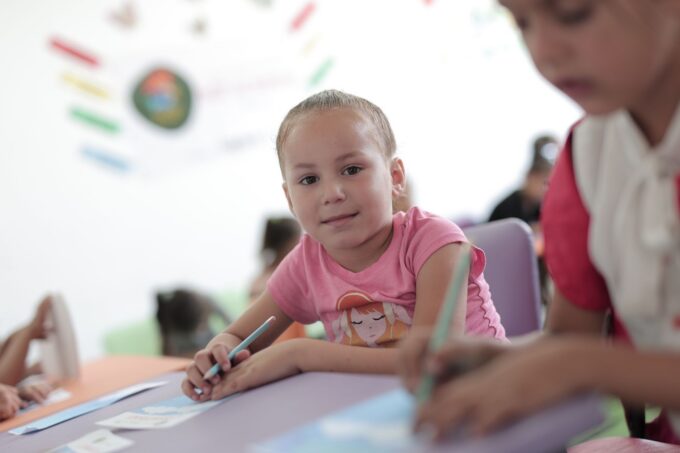
Gaza Students Resort to Writing on Aid Boxes Amid Severe Paper Shortages
The ongoing paper shortages in Gaza highlight the humanitarian crisis affecting education...
 1 Mins read

China’s UN Envoy Urges Israel to Adhere to Gaza Ceasefire Amid Escalating Tensions
China's call for Israel to uphold the Gaza ceasefire highlights the urgent...
1 Mins read
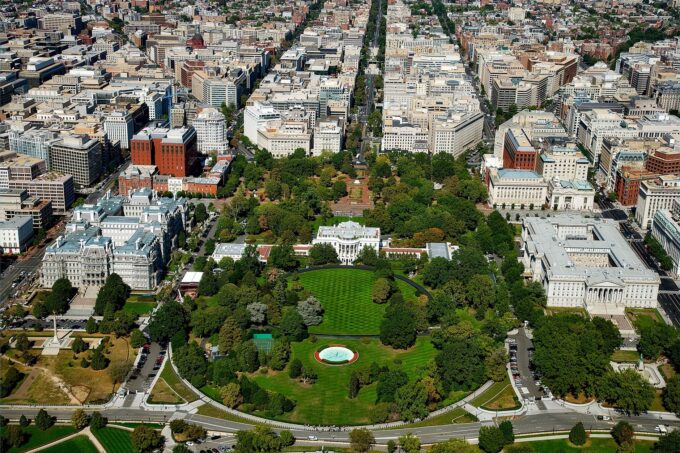
White House Highlights Delayed Obama Presidential Center to Elevate Trump’s Legacy as ‘Builder-in-Chief’
The delayed inauguration of the Obama Presidential Center underscores the contrasting legacies...
1 Mins read


Trump’s Executive Power Ambitions Emerge in New Book
The global implications of Trump's increasing push for executive power resonate amid...
1 Mins read

Leave a comment