
Russia’s Diminishing Military Prospects Raise Possibility of Ukraine Peace Talks
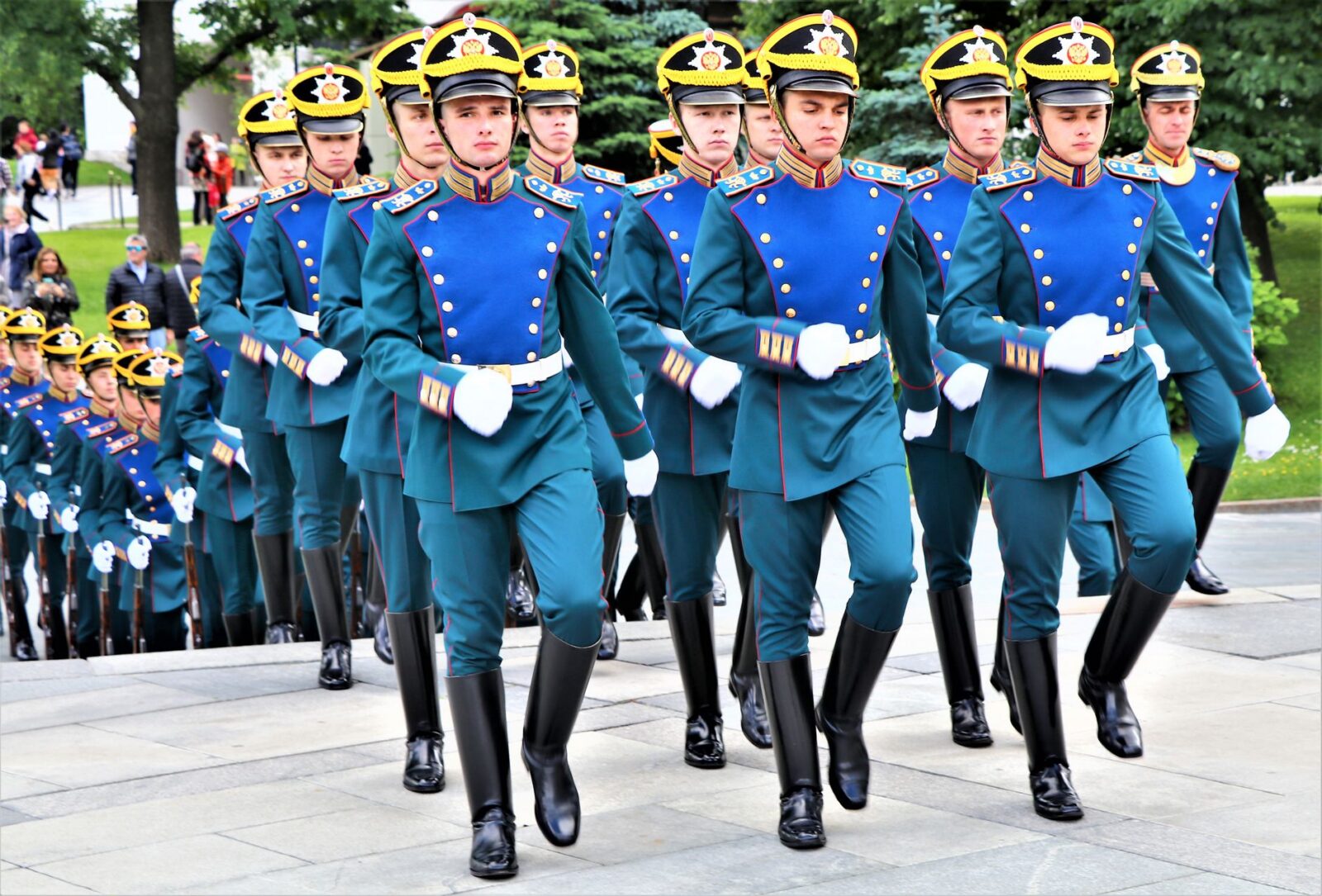
In a significant development on June 17, 2026, analysts and officials in Germany have noted that Russia’s diminishing military prospects in its ongoing conflict with Ukraine could pave the way for renewed peace talks. As the war enters its fifth year, various indicators suggest that Russia’s ability to sustain its military operations is waning. This shift is prompting discussions among European leaders about the feasibility of negotiating an end to hostilities.
The backdrop to this situation includes a series of setbacks for Russian forces, particularly in the eastern regions of Ukraine, where Ukrainian forces have reportedly gained ground. The International Institute for Strategic Studies has pointed out that Russian troops are facing logistical challenges and morale issues, which have been exacerbated by ongoing sanctions and international isolation. In contrast, Ukraine, bolstered by continued support from NATO allies, has demonstrated a more resilient military posture.
This evolving landscape is critical not just for the nations directly involved but for global stability. The war in Ukraine has already had far-reaching implications, affecting energy prices, global food security, and international relations. As both NATO and EU member states monitor the situation closely, the prospect of peace talks could lead to a recalibration of alliances and a potential easing of sanctions, which would have widespread economic implications.
Looking ahead, if peace talks do materialize, they could set a precedent for conflict resolution in other geopolitical hotspots. However, the path to negotiations will likely be fraught with challenges, including demands for territorial sovereignty and reparations. The world watches closely, as the outcomes here could redefine the security architecture of Europe and beyond.
Source: Devdiscourse









Gaza Students Resort to Writing on Aid Boxes Amid Severe Paper Shortages
The ongoing paper shortages in Gaza highlight the humanitarian crisis affecting education...
 1 Mins read

China’s UN Envoy Urges Israel to Adhere to Gaza Ceasefire Amid Escalating Tensions
China's call for Israel to uphold the Gaza ceasefire highlights the urgent...
1 Mins read

White House Highlights Delayed Obama Presidential Center to Elevate Trump’s Legacy as ‘Builder-in-Chief’
The delayed inauguration of the Obama Presidential Center underscores the contrasting legacies...
1 Mins read


Trump’s Executive Power Ambitions Emerge in New Book
The global implications of Trump's increasing push for executive power resonate amid...
1 Mins read

Leave a comment