
Pope Francis Urges Church to Progress Amid SSPX’s Potential Illicit Ordinations
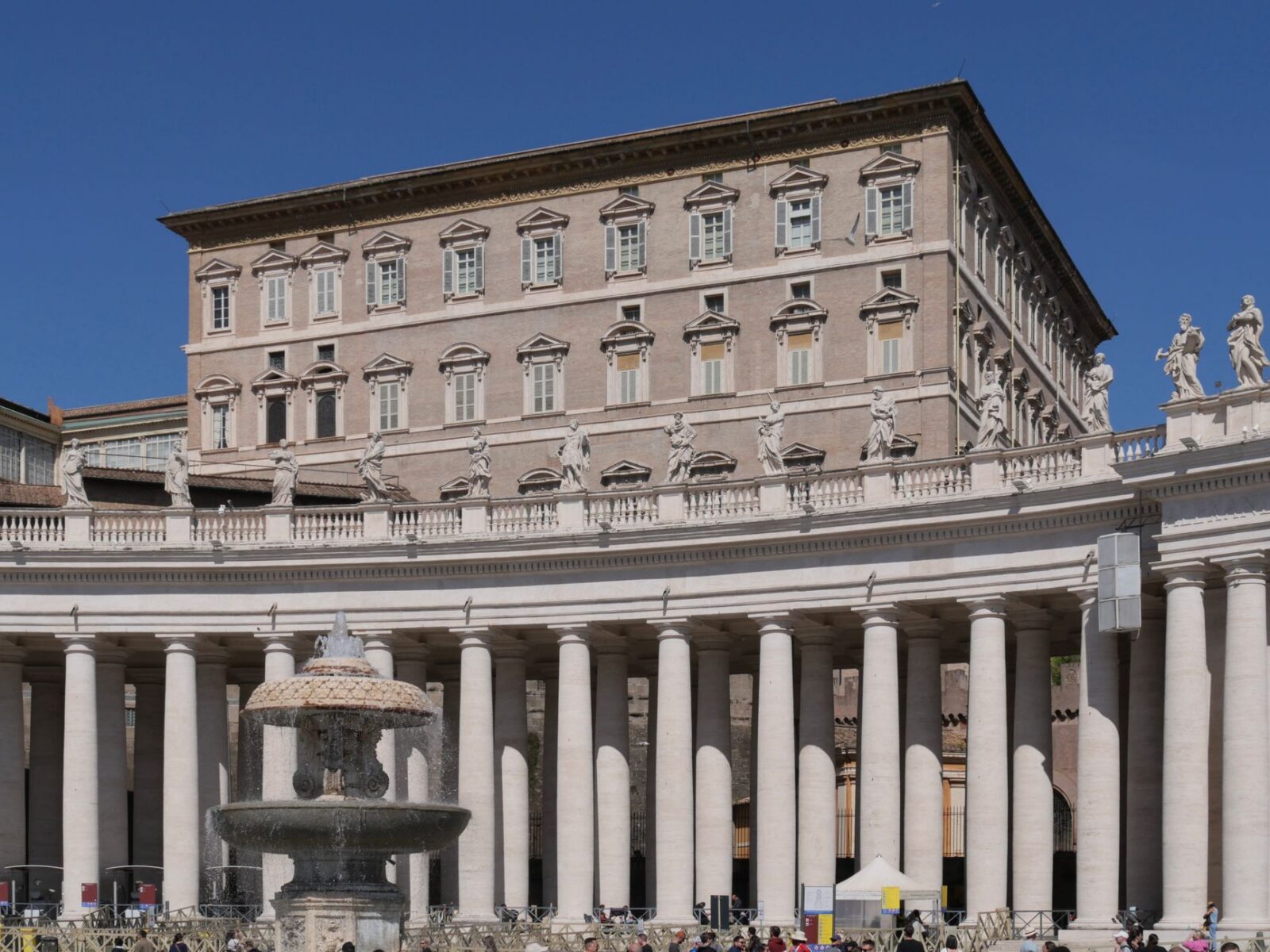
Pope Francis has issued a clarion call for the Catholic Church to progress in response to the Society of Saint Pius X (SSPX) potentially proceeding with illicit ordinations. This warning comes as tensions escalate within the Church regarding the SSPX, a traditionalist group that has long operated outside the Vatican’s authority. The Pope emphasized the necessity for the Church to remain forward-looking and adaptable in the face of such challenges, which could undermine the Church’s unity and authority.
The SSPX, founded in 1970 by Archbishop Marcel Lefebvre, has been in a contentious relationship with the Vatican for decades, primarily due to its rejection of key aspects of the Second Vatican Council. The recent threat of unauthorized ordinations by the SSPX is a direct challenge to the papal authority and raises questions about the Church’s governance and its ability to maintain doctrinal integrity. This situation is particularly critical as the Catholic Church grapples with declining attendance and growing secularism in many parts of the world.
The implications of the SSPX’s actions extend beyond internal Church politics; they resonate globally, affecting millions of Catholics and the Church’s standing in international dialogue. If the SSPX proceeds with these ordinations, it could lead to further schisms within the Church, complicating efforts at reconciliation and unity. Pope Francis’s remarks highlight the urgency for the Church to confront these challenges head-on, reinforcing the need for a cohesive response that respects tradition while embracing necessary reforms.
Looking ahead, the Catholic Church faces a pivotal moment. The Pope’s call for movement suggests an impending series of discussions and potential reforms aimed at addressing the concerns raised by the SSPX. Church leaders and theologians will need to navigate these turbulent waters carefully, balancing respect for tradition with the demands of modernity, as the future of Catholicism hinges on their ability to foster unity and adapt to changing societal contexts.
Source: The Catholic Weekly






Gaza Students Resort to Writing on Aid Boxes Amid Severe Paper Shortages
The ongoing paper shortages in Gaza highlight the humanitarian crisis affecting education...
 1 Mins read

China’s UN Envoy Urges Israel to Adhere to Gaza Ceasefire Amid Escalating Tensions
China's call for Israel to uphold the Gaza ceasefire highlights the urgent...
1 Mins read
White House Highlights Delayed Obama Presidential Center to Elevate Trump’s Legacy as ‘Builder-in-Chief’
The delayed inauguration of the Obama Presidential Center underscores the contrasting legacies...
1 Mins read


Trump’s Executive Power Ambitions Emerge in New Book
The global implications of Trump's increasing push for executive power resonate amid...
1 Mins read

Leave a comment