
Global Stock Markets Surge to Record Highs as Oil Prices Decline Following Iran Deal

On June 18, 2026, global stock markets experienced a significant surge, reaching record highs, as investor sentiment bolstered by the recent Iran nuclear deal drove market confidence. Major indices, including the S&P 500 and the FTSE 100, recorded gains of over 2%, reflecting a renewed optimism among investors regarding economic stability and growth prospects.
The Iran deal, which saw the United States and other world powers agree to lift sanctions in exchange for stringent nuclear oversight, has led to a drastic decrease in oil prices. Brent crude, for example, plummeted below $70 per barrel for the first time in months, a move that analysts attribute to an anticipated increase in Iranian oil exports. This development is significant not only for energy markets but also for global inflation rates, as lower oil prices typically translate to reduced transportation and production costs.
This confluence of events is noteworthy as it underscores the interconnectedness of geopolitical agreements and economic outcomes. With Iran’s return to the oil market, countries heavily reliant on oil imports, such as India and China, could see their trade balances improve, potentially leading to stronger economic growth. Conversely, oil-exporting nations may face fiscal pressures due to declining revenues, which could destabilize their economies.
Looking ahead, the implications of this deal and the subsequent market movements could be profound. If oil prices continue to fall, we may see a shift in global economic power dynamics, as importing nations gain leverage while exporters grapple with budget deficits. Furthermore, sustained market optimism could encourage increased investment in various sectors, potentially fostering innovation and economic recovery in the post-pandemic landscape.
Source: ANI News








Gaza Students Resort to Writing on Aid Boxes Amid Severe Paper Shortages
The ongoing paper shortages in Gaza highlight the humanitarian crisis affecting education...
 1 Mins read

China’s UN Envoy Urges Israel to Adhere to Gaza Ceasefire Amid Escalating Tensions
China's call for Israel to uphold the Gaza ceasefire highlights the urgent...
1 Mins read
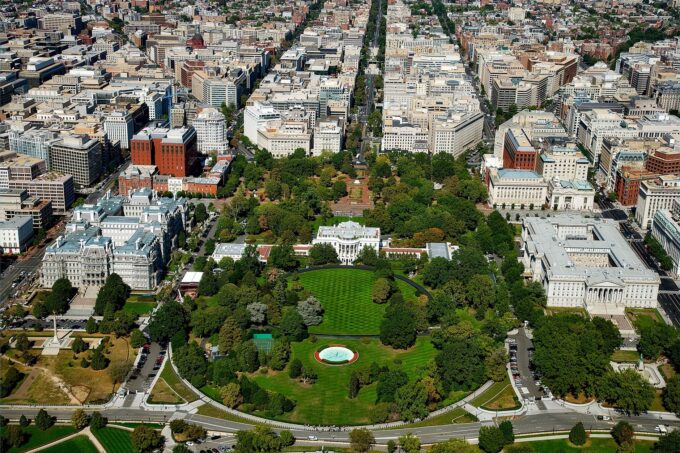
White House Highlights Delayed Obama Presidential Center to Elevate Trump’s Legacy as ‘Builder-in-Chief’
The delayed inauguration of the Obama Presidential Center underscores the contrasting legacies...
1 Mins read
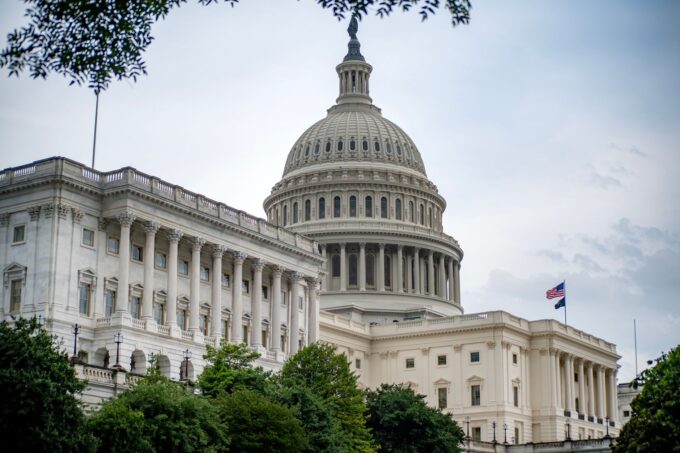


Trump’s Executive Power Ambitions Emerge in New Book
The global implications of Trump's increasing push for executive power resonate amid...
1 Mins read

Leave a comment