
White House Cancels Geneva Signing Ceremony for Iran-U.S. Memorandum
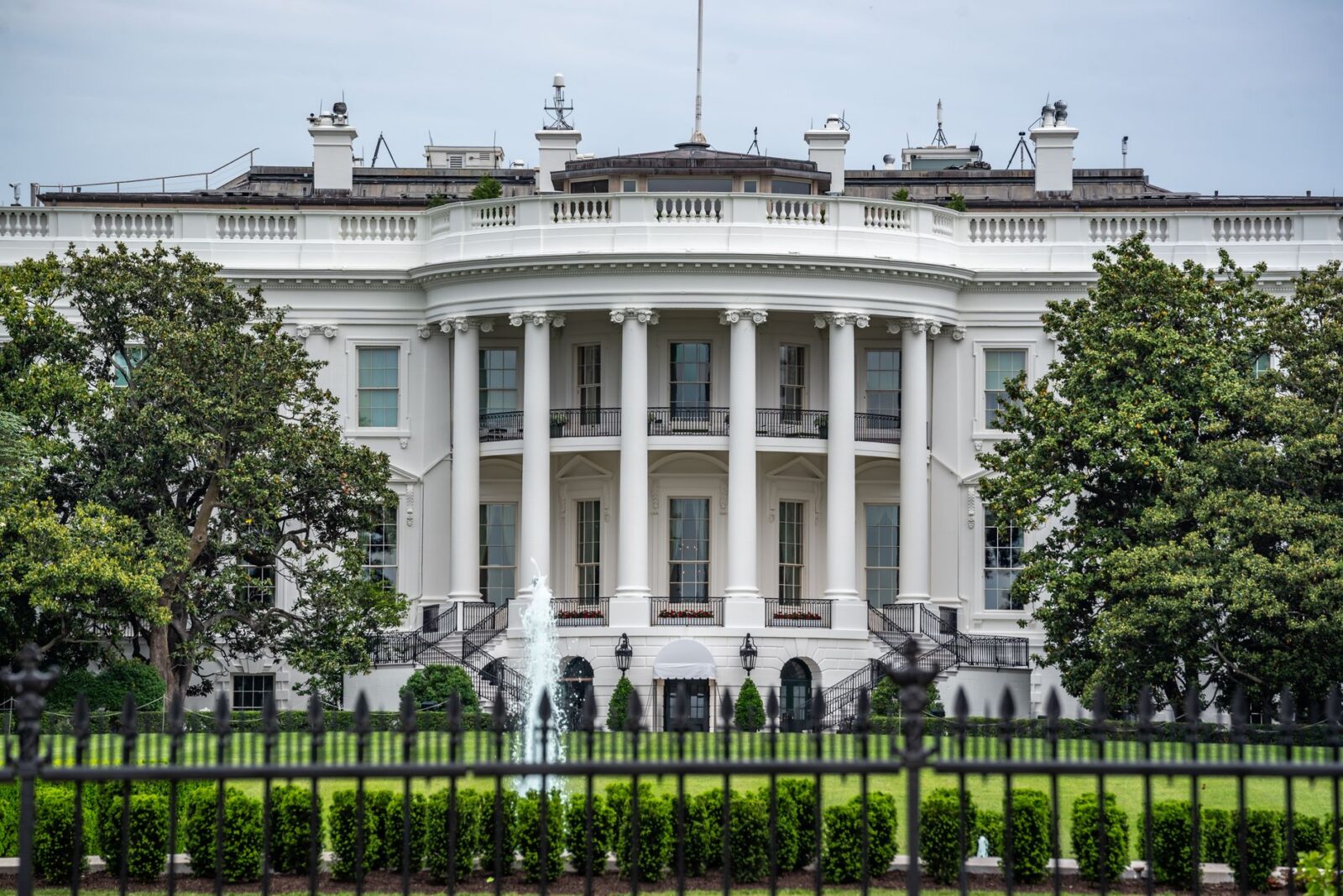
In a significant diplomatic setback, the White House announced the cancellation of the signing ceremony for a memorandum aimed at easing tensions between Iran and the United States, originally scheduled to take place in Geneva. This decision comes amidst a backdrop of escalating hostilities and complex negotiations surrounding Iran’s nuclear program and regional influence.
The memorandum was anticipated to outline a framework for dialogue and cooperation, reflecting a rare opportunity for rapprochement between the two nations. Key figures involved included high-ranking officials from both the U.S. and Iranian governments, with the potential to engage in discussions that could lead to a more stable Middle East. The cancellation raises questions about the future of U.S.-Iran relations and the broader implications for international diplomatic efforts in the region.
This development is particularly significant as it highlights the fragility of diplomatic negotiations in an era characterized by rising nationalism and geopolitical competition. The failure to proceed with the signing ceremony could exacerbate existing tensions, potentially leading to further sanctions or military posturing, which would have ramifications not only for the involved parties but also for global energy markets and international security frameworks.
Looking ahead, analysts speculate that this cancellation may lead to a hardening of positions on both sides, with the U.S. potentially revisiting its strategy toward Iran. Conversely, Iran may recalibrate its approach, seeking closer ties with other global powers as it navigates its isolation. The international community will need to closely monitor these developments, as they will undoubtedly influence the dynamics of power and diplomacy in the Middle East and beyond.
Source: WANA News Agency









Gaza Students Resort to Writing on Aid Boxes Amid Severe Paper Shortages
The ongoing paper shortages in Gaza highlight the humanitarian crisis affecting education...
 1 Mins read

China’s UN Envoy Urges Israel to Adhere to Gaza Ceasefire Amid Escalating Tensions
China's call for Israel to uphold the Gaza ceasefire highlights the urgent...
1 Mins read
White House Highlights Delayed Obama Presidential Center to Elevate Trump’s Legacy as ‘Builder-in-Chief’
The delayed inauguration of the Obama Presidential Center underscores the contrasting legacies...
1 Mins read


Trump’s Executive Power Ambitions Emerge in New Book
The global implications of Trump's increasing push for executive power resonate amid...
1 Mins read

Leave a comment