
Escalation in Russia-Ukraine Conflict Marks Turning Point on June 20, 2026
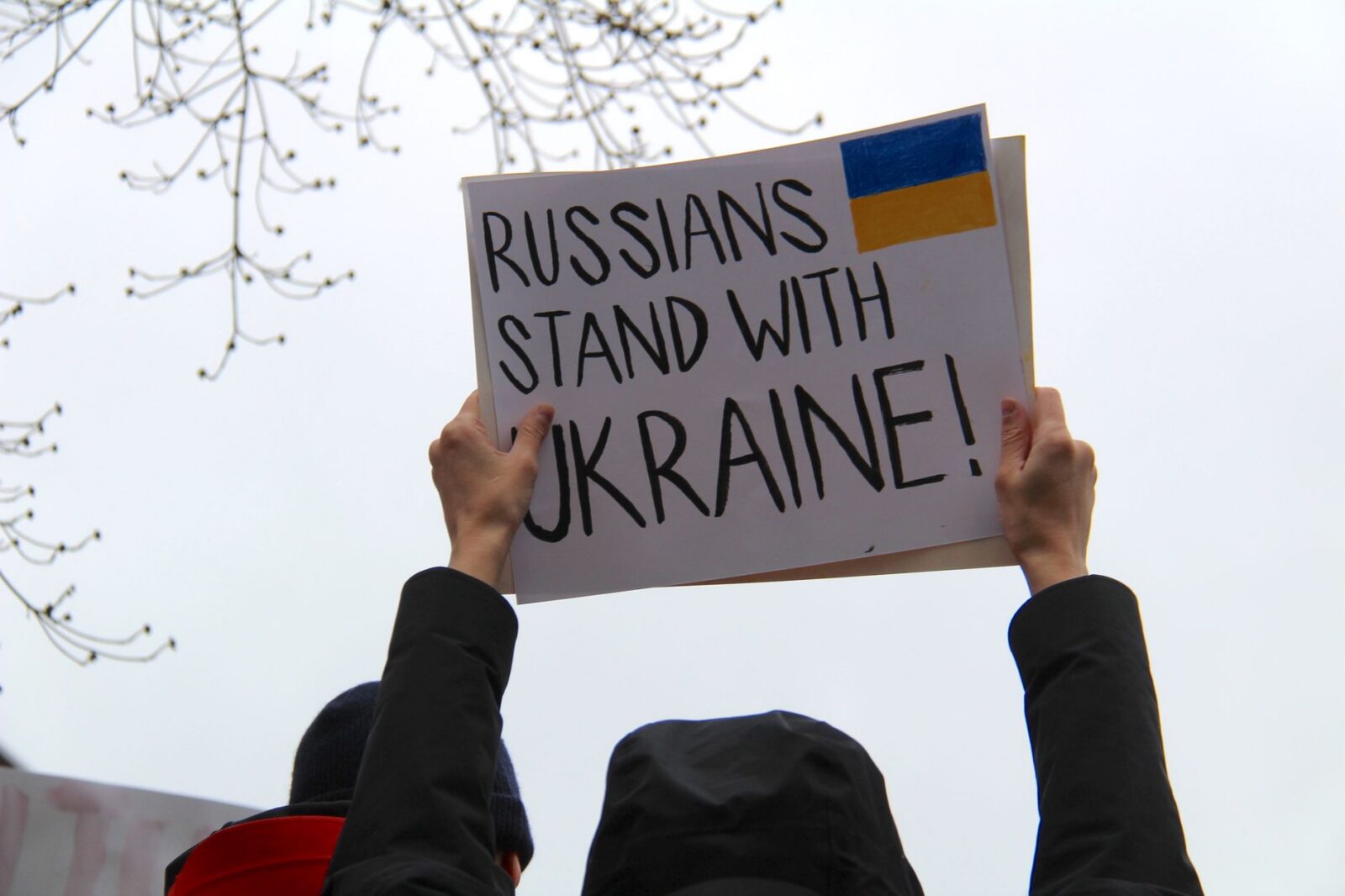
On June 20, 2026, significant military escalations were reported in the ongoing Russia-Ukraine conflict, as Ukrainian forces launched a counteroffensive in the eastern regions of Donetsk and Luhansk. This operation, described as one of the most ambitious since the onset of hostilities in 2022, aims to reclaim territory currently held by Russian-backed separatists. The Ukrainian military has received substantial support from NATO allies, including advanced weaponry and intelligence resources, which have bolstered its operational capabilities.
Key figures in this conflict include Ukrainian President Volodymyr Zelenskyy, who has consistently advocated for stronger international support, and Russian President Vladimir Putin, who has reiterated his commitment to maintaining Russian influence in the region. The stakes are particularly high as both nations brace for a potential escalation that could draw in additional international actors. The implications of this conflict extend beyond the immediate battlefield, affecting global energy prices and security alliances.
The global significance of these developments cannot be overstated. As Ukraine seeks to stabilize its borders and assert its sovereignty, the repercussions of a prolonged conflict could destabilize the entire European region. With Europe still grappling with energy supply issues exacerbated by the war, any disruption in the flow of gas and oil from the region could lead to economic tremors worldwide. The recent increase in military activities may also provoke a more aggressive response from Russia, raising fears of a broader confrontation.
Looking ahead, the international community must remain vigilant. The potential for renewed diplomatic efforts exists, but the current trajectory of military engagement suggests that the conflict may intensify. Should Ukraine succeed in its counteroffensive, it could shift the power dynamics in Eastern Europe, prompting a reassessment of NATO’s strategic posture. Conversely, a Russian counter-response could further entrench the conflict, leading to a protracted stalemate that would have dire consequences for regional and global stability.
Source: GazetteXtra






Trump’s Alleged Remarks About Netanyahu Stir Controversy Amidst U.S.-Israel Relations
The alleged comments by Trump could reshape perceptions of U.S.-Israel relations and...
 1 Mins read

UN Experts Accuse Israel of Targeting Children in Gaza, Reinforce Genocide Claims
The international community grapples with escalating accusations against Israel amid ongoing conflict...
1 Mins read
IDF Engages in West Bank Operation, Resulting in Palestinian Fatality
The IDF's actions in the West Bank heighten tensions amidst ongoing Israeli-Palestinian...
1 Mins read



UN Experts Accuse Israel of Targeting Children in Gaza, Renew Genocide Allegations
UN experts' accusations against Israel highlight urgent global concerns over civilian safety...
1 Mins read
Leave a comment