
Russia and Ukraine Continue Escalation in Ongoing Conflict
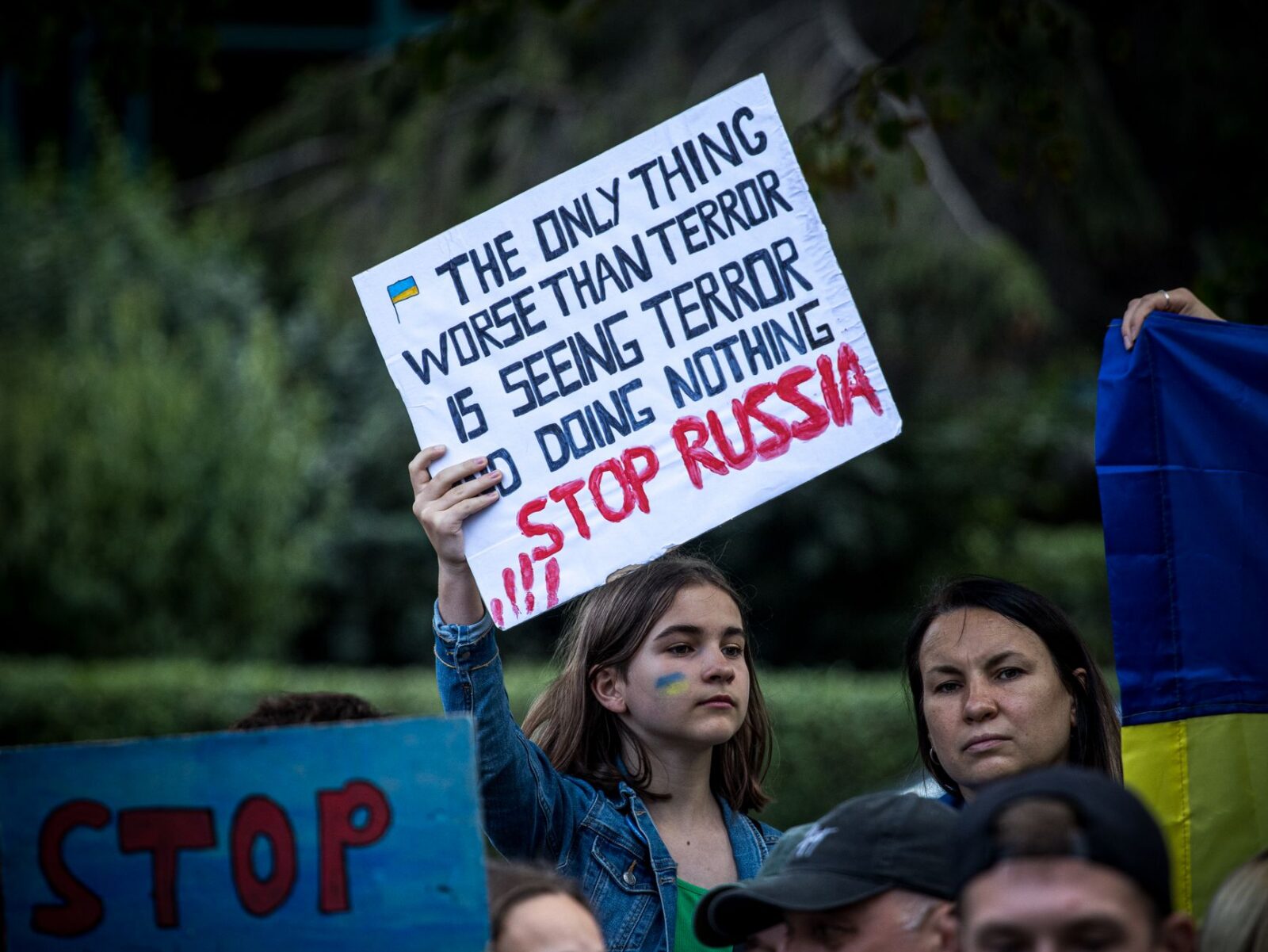
In a significant escalation of hostilities, Russian and Ukrainian forces engaged in a series of strikes over the past 48 hours, highlighting the enduring nature of the conflict that has gripped the region since early 2022. The attacks reportedly included artillery barrages and drone strikes, with both sides claiming damage to military assets and civilian infrastructure. This latest round of exchanges comes amid a backdrop of increasing tensions, as both nations remain entrenched in their positions.
The conflict has seen involvement from various international actors, with NATO allies closely monitoring the situation. The United States and European nations have expressed their commitment to supporting Ukraine, both militarily and economically, in its defense against Russian aggression. This commitment is critical as Ukraine continues to seek assistance in bolstering its defenses and recovering from the extensive damage inflicted over more than four years of warfare. The geopolitical stakes are high, as any miscalculation could lead to broader regional destabilization.
The implications of this ongoing conflict extend far beyond the borders of Ukraine and Russia. The war has already exacerbated energy crises in Europe, leading to soaring prices and economic uncertainty. Global supply chains are also affected, particularly in the agricultural sector, as both countries are significant exporters of grain. The continuation of hostilities could further disrupt markets and contribute to a looming global food security crisis.
Looking ahead, the situation remains precarious. Diplomatic efforts appear stalled, and as the summer progresses, the potential for intensified military operations increases. Analysts suggest that without a significant shift in negotiations or external intervention, the conflict will likely continue to escalate, further entrenching the divides within the region and impacting global stability.
Source: LiveNOW from FOX








NATO’s Key Diplomat Engages Trump Ahead of Critical Summit
NATO seeks to align with U.S. interests as tensions rise before next...
 1 Mins read

U.S. Court Strikes Down Trump Election Rules Amidst Rising Tensions in Political Landscape
A federal judge's ruling against Trump election regulations signals significant implications for...
1 Mins read

Trump Administration Seeks Congressional Approval for Year-Round E15 Gasoline Sales
The Trump White House's push for year-round E15 gasoline sales highlights significant...
1 Mins read


Cassidy Engages in Iran Briefing at White House Following Dispute with Trump
The evolving dynamics of U.S.-Iran relations are critical as Cassidy seeks clarity...
1 Mins read
Leave a comment