
Powering the Future: The Untapped Potential of Electric Vehicles
Reimagining Energy Consumption
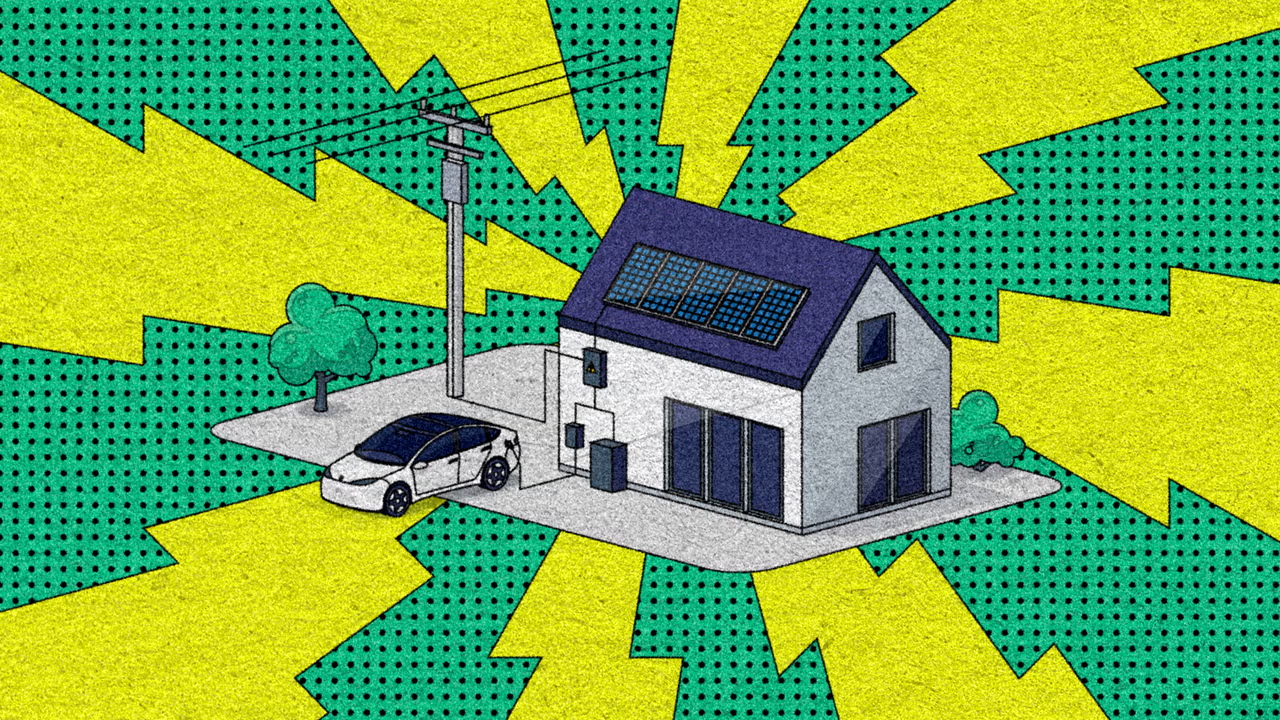
As the world accelerates towards sustainability, electric vehicles (EVs) are emerging as pivotal players not just in transportation, but also in energy management. In states like California and Massachusetts, innovative pilot programs are allowing EV owners to channel the power stored in their vehicles back to the grid. This dual-purpose capability—known as vehicle-to-grid (V2G) technology—offers a tantalizing glimpse into a future where cars not only drive us but also power our homes and communities.
The Hardware Hurdle
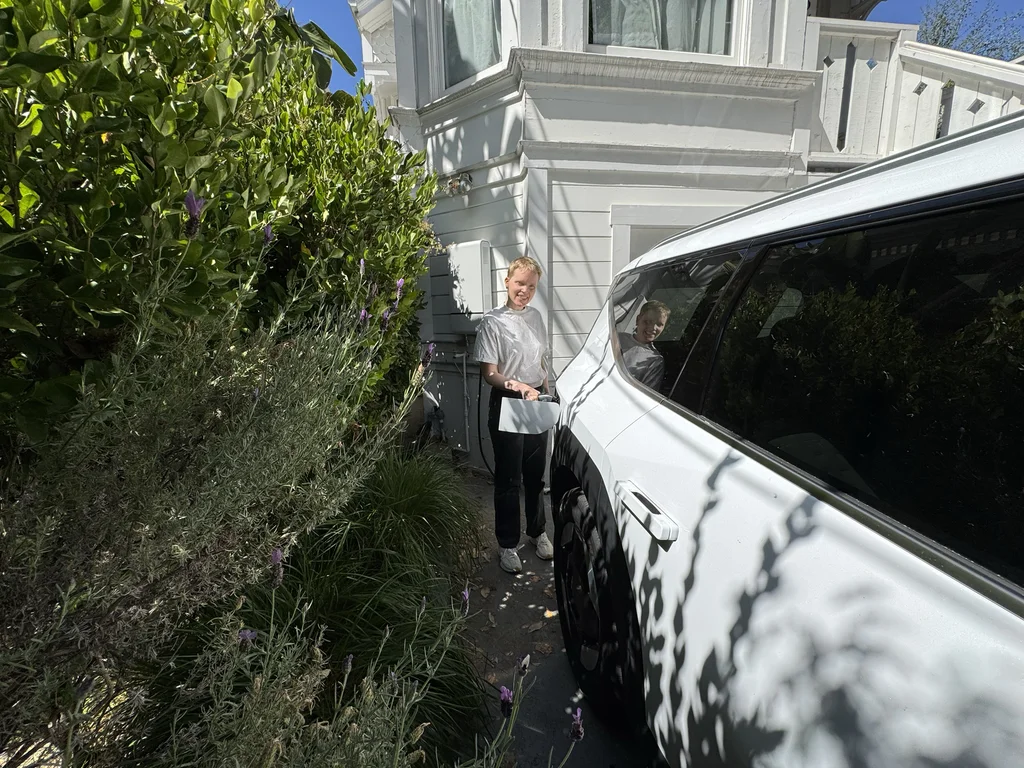
Despite the promise of V2G, significant challenges remain. Many existing EVs are technically equipped to send power back to the grid, but widespread adoption is hampered by the costs associated with bidirectional chargers. Current estimates suggest that the all-in cost for these installations can exceed $20,000, primarily due to the necessary upgrades for home electrical systems. While government funding in pilot projects alleviates some of this expense, the financial burden remains a barrier for many potential participants.
Moreover, the technology landscape is fragmented. Most residential chargers are compatible with specific vehicle models, creating a lack of standardization that could hinder the seamless transition to V2G systems. Companies like GM are taking steps toward compatibility, with recent updates enabling several of their models to interact with the grid. Yet, the road to a unified standard is still under construction.
Innovations on the Horizon
In an exciting development, Tesla has begun embedding inverters directly within their vehicles, a move that could significantly reduce installation costs and simplify the process for consumers. This innovation not only streamlines the connection to the grid but also represents a broader trend in the automotive industry as manufacturers recognize the untapped potential of EVs in energy management.
Interestingly, the most rapid growth in bidirectional charging isn’t coming from passenger vehicles but rather from school buses. These larger batteries can generate substantial revenue for operators, making the investment in charging infrastructure more viable. In pilot programs, buses have demonstrated the ability to earn up to $12,000 during peak demand periods, highlighting an unexpected avenue for profitability in the electric vehicle sector.
Navigating Utility Regulations
For EV owners eager to contribute to grid stability, the framework laid by utility providers is crucial. The complexity of regulatory approvals and pricing structures can pose significant roadblocks. Utilities must carefully determine compensation rates for power shared from EVs, balancing the interests of their ratepayers while encouraging participation in V2G programs. As utilities like PG&E collaborate with school bus companies, they are discovering that integrating multiple power sources can alleviate infrastructure costs, ultimately benefiting all customers.
However, challenges remain in ensuring that existing homeowners with solar systems can participate without complication. The overlap between energy sources complicates the process of tracking power contributions, necessitating innovative solutions to allow for seamless integration.
Educating the Consumer
While technology and regulatory structures evolve, consumer buy-in is essential. The challenge lies in effectively communicating the benefits of V2G participation. Many potential participants may not see the immediate value in reducing grid strain, but framing the conversation around savings on utility bills could resonate more deeply. Furthermore, concerns over battery longevity can deter interest. However, experts assure that modern battery technology is robust enough to handle the extra cycles without detrimental effects.
For many, the most compelling argument for adopting V2G technology may be its ability to provide backup power during outages. The convenience of having a vehicle double as an energy source for the home could become a significant selling point, especially in regions prone to natural disasters and power interruptions.
A Bright Future Ahead
The growing demand for electricity, exacerbated by expanding data centers and an increasingly digital world, presents a critical moment for the energy landscape. As electric vehicles become more integrated into the grid, their role as flexible energy resources will only increase. Industry leaders like GM are advocating for the adoption of V2G technology, positioning it as a key player in the quest for affordable and reliable energy solutions.
As pilot programs expand and more stakeholders engage in this innovative dialogue, the vision of a future where every driveway contributes to a clean energy system is becoming increasingly attainable. Embracing this change will require collaboration across sectors, but the potential rewards are significant—both for consumers and for the environment. Miami, with its diverse population and commitment to sustainability, stands at the forefront of this transformation, ready to harness the power of electric vehicles in a way that can redefine energy consumption.
Editorial note: This article was created by A Bit Lavish Miami’s Magazine as an original editorial reinterpretation based on publicly available reporting. Original source: fastcompany.com. Read the original article here: https://www.fastcompany.com/91561830/evs-can-power-the-grid-why-arent-more-of-them-doing-it.
Images are used for editorial reference with source credit. If an image requires correction or removal, please contact A Bit Lavish.









Beyond the Brand: Embracing Human Complexity in a Simplified World
Exploring the pitfalls of personal branding and advocating for an authentic human...
 2 Mins read

Navigating the New Landscape of Scientific Imagery in the Age of AI
Exploring the impact of AI on scientific imagery, trust, and communication within...
3 Mins read

Bridging the AI Trust Divide: Why Women’s Perspectives Matter
Exploring the critical role women play in shaping AI strategies and fostering...
2 Mins read



Reimagining Leadership: A Vision for Women in Business and Society
Gloria Steinem and influential leaders discuss women's roles in leadership, parental leave,...
3 Mins read

Leave a comment