
Trump’s Renovation of the Lincoln Memorial Reflecting Pool Faces Backlash
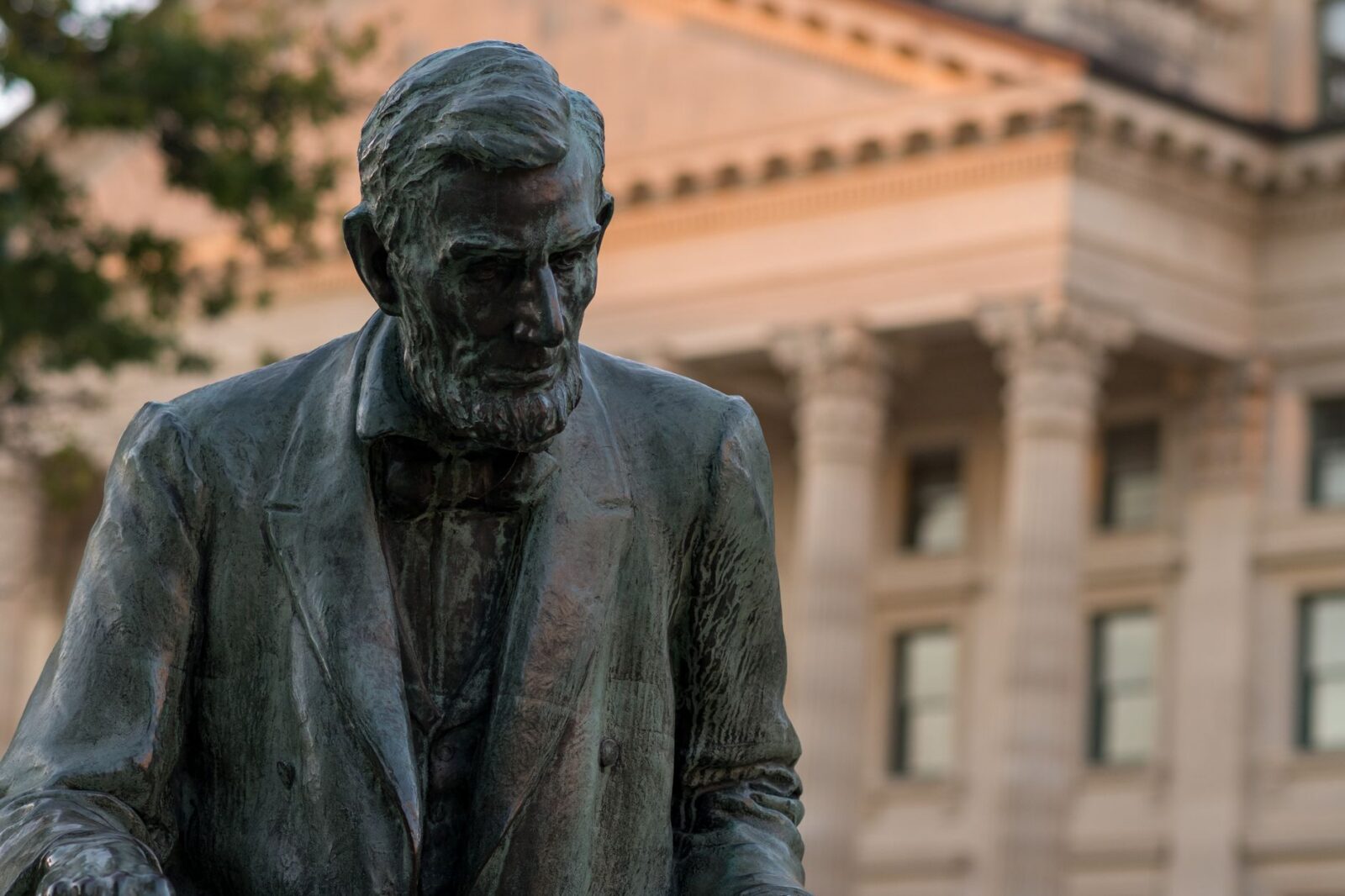
On June 23, 2026, the ongoing renovation of the Lincoln Memorial Reflecting Pool, initiated under the administration of former President Donald Trump, has ignited widespread criticism and outrage. Critics argue that the alterations have disrespected the original design and intentions of this iconic site, which serves as a poignant reminder of America’s historical struggles for equality and civil rights.
Involved in this contentious project are not only Trump’s administration but also a host of architects, historians, and preservationists who have voiced their concerns. The renovation, which includes changes to the pool’s depth and surrounding landscape, has been perceived by many as a misstep in honoring the legacy of Abraham Lincoln and the values he represents. As the project continues, it has become a focal point for debates surrounding cultural heritage and the responsibilities of current leaders to honor the past.
This situation matters on a global scale as it reflects broader tensions in how nations preserve their historical narratives and respond to evolving societal values. The Lincoln Memorial is not merely an American landmark; it stands as a symbol of democracy and human rights recognized worldwide. Disputes over its renovation could influence how other countries approach similar issues of heritage and representation in public spaces.
Looking ahead, the backlash may lead to increased calls for accountability and transparency in major renovation projects, particularly those linked to significant historical sites. Public sentiment could force a reevaluation of the renovation’s scope, potentially prompting a halt or reversal of certain changes. Additionally, this incident might galvanize a movement advocating for the preservation of cultural landmarks, as citizens across the globe seek to safeguard their own histories against perceived misinterpretations or alterations.
Source: The Conversation







NATO’s Key Diplomat Engages Trump Ahead of Critical Summit
NATO seeks to align with U.S. interests as tensions rise before next...
 1 Mins read
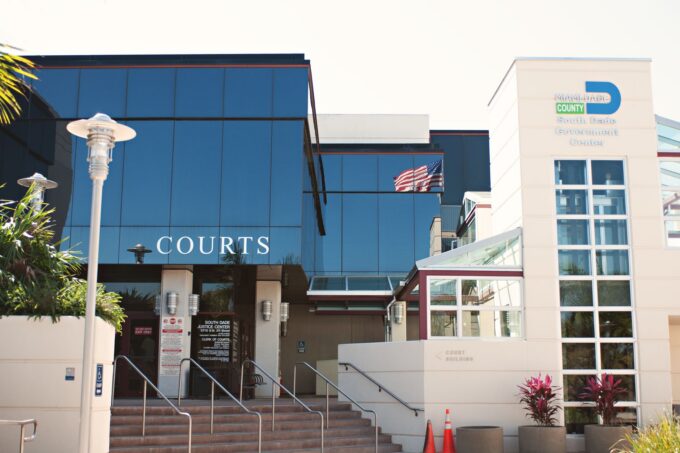
U.S. Court Strikes Down Trump Election Rules Amidst Rising Tensions in Political Landscape
A federal judge's ruling against Trump election regulations signals significant implications for...
1 Mins read

Trump Administration Seeks Congressional Approval for Year-Round E15 Gasoline Sales
The Trump White House's push for year-round E15 gasoline sales highlights significant...
1 Mins read
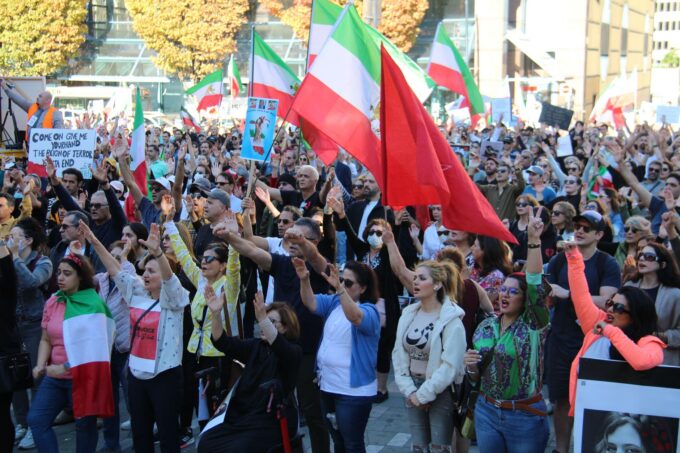


Cassidy Engages in Iran Briefing at White House Following Dispute with Trump
The evolving dynamics of U.S.-Iran relations are critical as Cassidy seeks clarity...
1 Mins read
Leave a comment