
Iran Conflict Pressures US Arms Stockpiles; White House Urges Increased Munitions Production
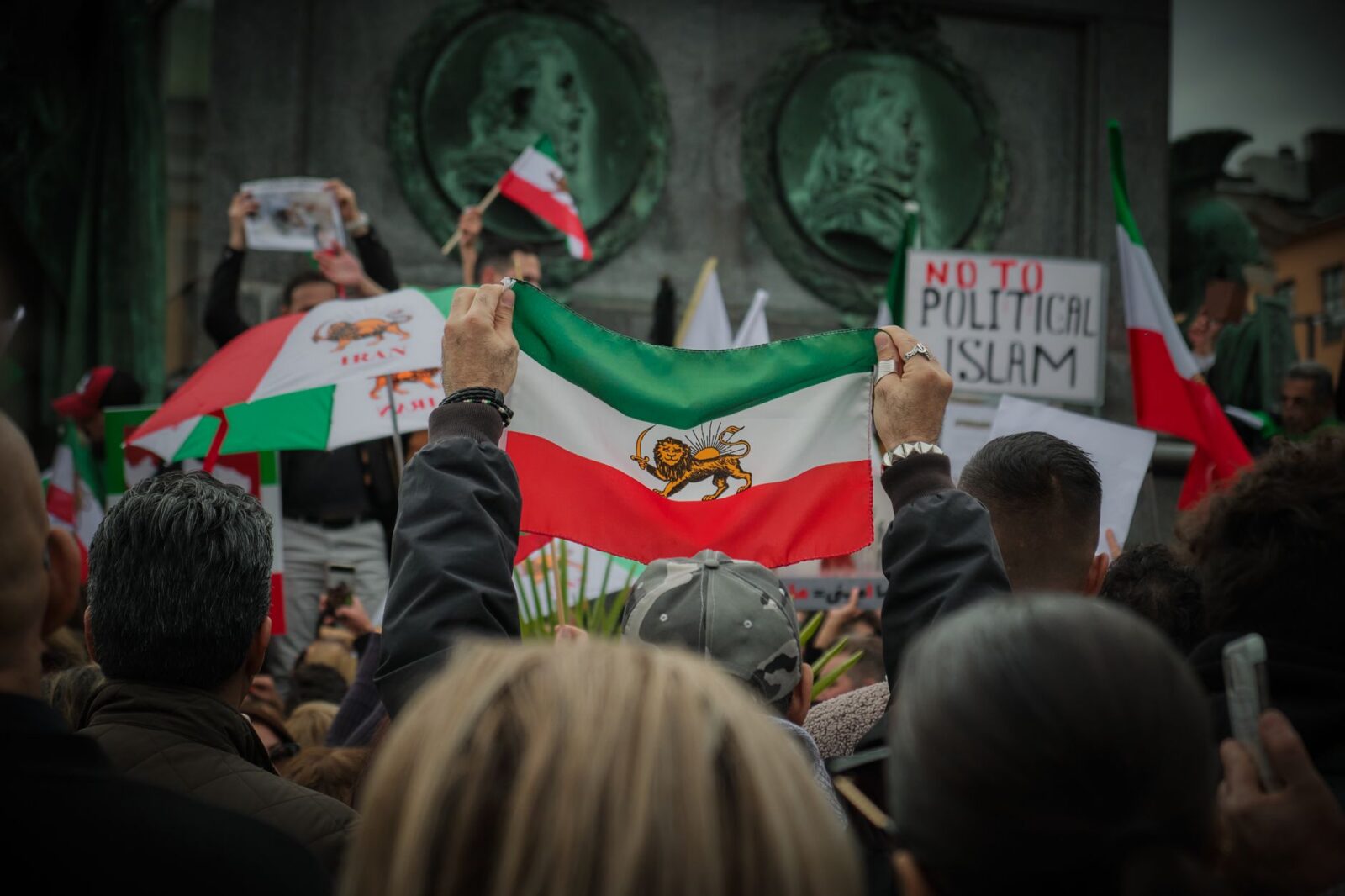
The ongoing conflict in Iran has significantly strained U.S. weapons stockpiles, prompting the White House to engage with arms manufacturers to boost munitions output. As hostilities escalate, the demand for military supplies has surged, highlighting the vulnerabilities in U.S. defense readiness and logistics. Officials from the Biden administration have reportedly held discussions with leading defense contractors to enhance production capabilities, ensuring that military resources are adequately replenished to support ongoing operations.
This situation involves key players such as the U.S. military, various defense contractors, and the Iranian government, which has been embroiled in conflict for several months. The U.S. has been actively involved in supporting allied forces in the region, necessitating a robust supply of advanced weaponry and ammunition. The pressure on stockpiles raises critical questions about military preparedness and the U.S.’s ability to respond to simultaneous global threats.
The implications of this situation are far-reaching. As the U.S. seeks to bolster its military assets, global arms markets may experience fluctuations, with increased demand potentially driving up prices. Furthermore, the U.S. government’s push to ramp up production could lead to significant contracts awarded to major defense firms, thereby influencing the economic landscape within the defense sector. This also places additional scrutiny on U.S. foreign policy and its commitment to supporting allies amid growing tensions.
Looking ahead, the urgency of the current situation suggests that the conflict in Iran may not only continue but could also expand, necessitating a reevaluation of U.S. military strategy in the region. If the war escalates further, the demand for arms could intensify, compelling the White House to pursue even more aggressive measures to ensure that the U.S. maintains its military edge. Consequently, this scenario warrants close attention from global leaders and investors who must navigate the implications of an evolving geopolitical landscape.
Source: The Times of India









Trump’s Alleged Remarks About Netanyahu Stir Controversy Amidst U.S.-Israel Relations
The alleged comments by Trump could reshape perceptions of U.S.-Israel relations and...
 1 Mins read

UN Experts Accuse Israel of Targeting Children in Gaza, Reinforce Genocide Claims
The international community grapples with escalating accusations against Israel amid ongoing conflict...
1 Mins read

IDF Engages in West Bank Operation, Resulting in Palestinian Fatality
The IDF's actions in the West Bank heighten tensions amidst ongoing Israeli-Palestinian...
1 Mins read



UN Experts Accuse Israel of Targeting Children in Gaza, Renew Genocide Allegations
UN experts' accusations against Israel highlight urgent global concerns over civilian safety...
1 Mins read

Leave a comment