
Reframing the Narrative: The Reality Behind Europe’s Heat Wave

Understanding the Heat Wave Crisis
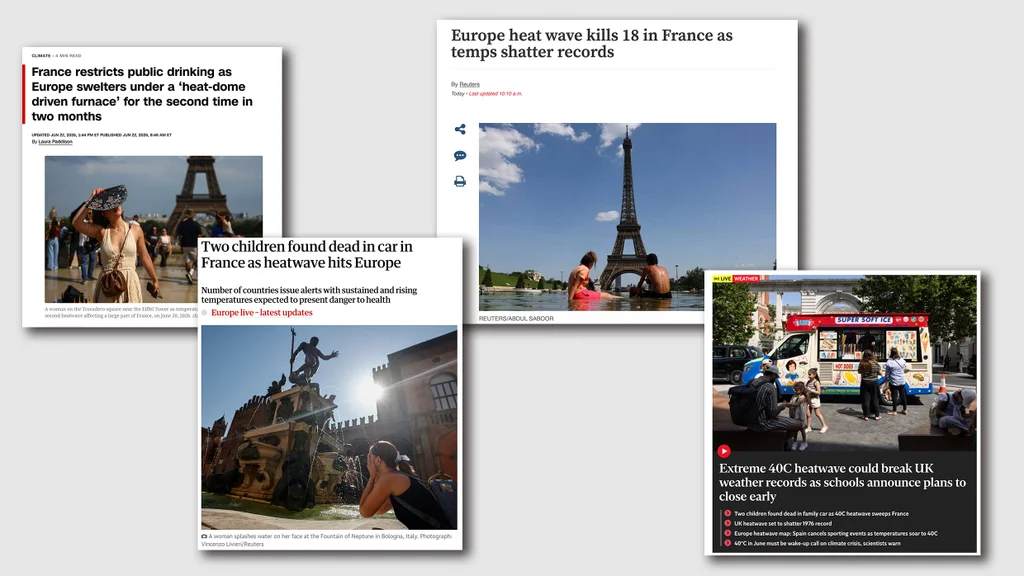
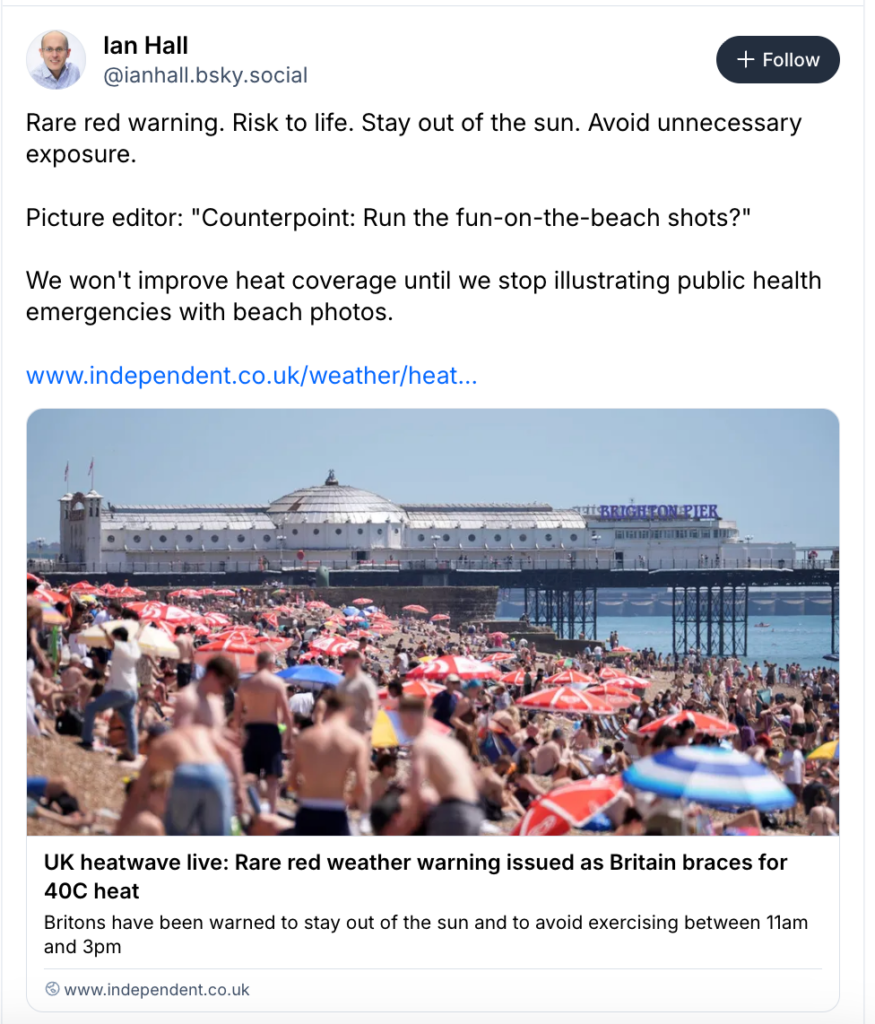
As Europe grapples with a historic heat wave, a troubling juxtaposition emerges in media coverage: images of sunbathers and cheerful crowds are often paired with dire warnings of health crises and fatalities. While the sun-soaked visuals may seem innocuous, experts caution that they can dilute the severity of the situation, leading audiences to underestimate the risks associated with extreme heat.
The Temperature Spike
Across the continent, officials have issued red weather alerts, anticipating temperatures soaring to unprecedented levels—upwards of 104 degrees Fahrenheit (40 degrees Celsius) in regions including France, Spain, and the UK. Meteorologists emphasize that these extreme temperatures are not fleeting; they may persist for several consecutive days, compounded by high humidity that creates dangerously elevated heat indices.
The UK’s Met Office has even warned of “tropical nights,” where nighttime temperatures fail to drop below 68 degrees Fahrenheit (20 degrees Celsius), exacerbating health risks for populations that typically lack robust air conditioning systems.
The Human Toll
The ramifications of this heat wave are tragically evident. Reports indicate multiple fatalities, including drowning incidents and heat-related deaths among vulnerable populations such as the elderly. The World Health Organization recently highlighted that over 200,000 people across Europe have succumbed to heat in the past four years, with many of these deaths deemed preventable.
Such alarming statistics underscore a grim reality: extreme heat is linked to a dramatic rise in hospitalizations due to cardiovascular, respiratory, and renal conditions, as well as related illnesses like heat exhaustion. The impact is not just physical; it extends to mental health, as individuals struggle to cope with the oppressive climate.
Media Representation Matters
The portrayal of this crisis in media is critical. Experts assert that the visual imagery accompanying stories about heat waves significantly influences public perception and response. A study conducted by the Yale Program on Climate Change Communication found that positive imagery—such as people enjoying a day at the beach—can diminish concerns about extreme heat. In contrast, images depicting the adverse effects of heat, like individuals suffering from heat exhaustion, heightened awareness and worry.
Aligning Messaging with Reality
Climate experts emphasize that journalism carries the responsibility of accurately depicting the dangers of extreme weather. While images of people having fun in the sun may attract attention, they starkly contrast with the advice from health authorities, who urge the public to avoid sun exposure and seek shade. This misalignment can propagate a misunderstanding of the serious nature of heat-related health risks.

For instance, while the media may showcase vibrant beach scenes, the stark reality is that extreme heat can lead to significant economic repercussions, with studies indicating that just one additional day of heat above 90 degrees Fahrenheit can reduce annual payroll by 0.04%, impacting productivity and livelihoods.
Shifting Perspectives
In light of these insights, there is a pressing need for a paradigm shift in how the media approaches the coverage of extreme heat. The challenge lies in presenting the nuanced realities of heat waves—balancing the human experiences of joy with the underlying risks. As climate change continues to exacerbate the frequency and intensity of heat waves, the importance of fostering a well-informed public grows ever more critical.
In a city like Miami, where the effects of climate change are palpably felt, this conversation is particularly relevant. Miamians are no strangers to extreme weather, and the lessons learned from Europe’s current predicament can serve as a guide. The responsibility rests not only on journalists but on all of us to convey the seriousness of climate-related issues and to foster a culture of preparedness and resilience.
Editorial note: This article was created by A Bit Lavish Miami’s Magazine as an original editorial reinterpretation based on publicly available reporting. Original source: fastcompany.com. Read the original article here: https://www.fastcompany.com/91563140/stop-making-europe-deadly-heat-wave-look-fun-experts-news-media.
Images are used for editorial reference with source credit. If an image requires correction or removal, please contact A Bit Lavish.









Bridging the AI Trust Divide: Why Women’s Perspectives Matter
Exploring the critical role women play in shaping AI strategies and fostering...
 2 Mins read

Reimagining Leadership: A Vision for Women in Business and Society
Gloria Steinem and influential leaders discuss women's roles in leadership, parental leave,...
3 Mins read

Artificial Intelligence and the Gas Price Surge: A Legal Battle Unfolds
Exploring the implications of a lawsuit against major retailers for alleged AI-driven...
2 Mins read


A New Chapter for Domino’s: Leadership Changes Amid Market Challenges
Exploring the strategic leadership transition at Domino's amid slowing sales and intense...
3 Mins read

Leave a comment