
Trump Seizes Affordability Opportunity Amid Economic Uncertainty
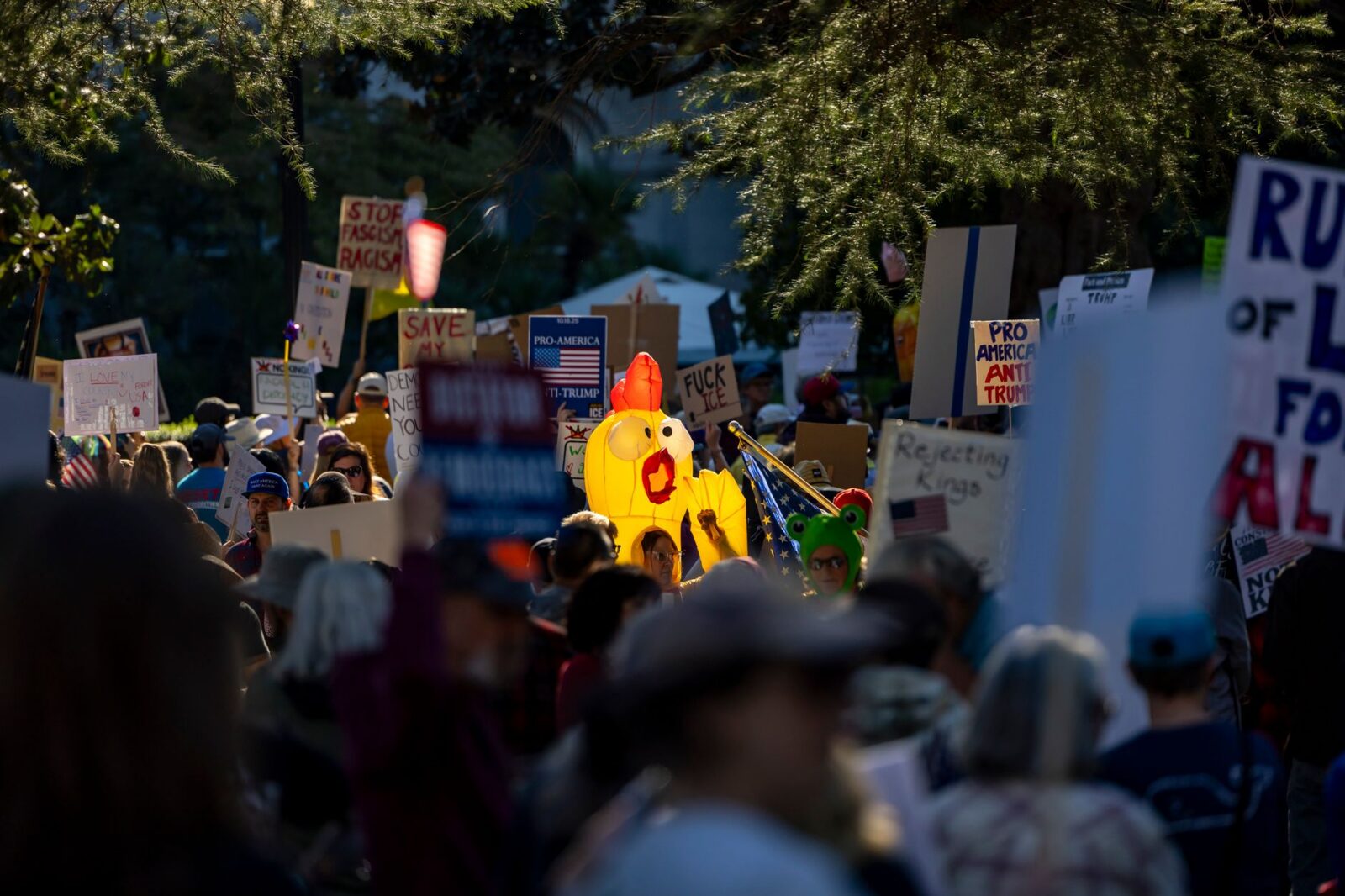
In a significant political maneuver, former President Donald Trump has unveiled a series of proposals aimed at enhancing affordability for American families amidst ongoing economic challenges. This initiative comes in the wake of persistent inflation rates, which, as of June 2026, hover around 4.5%, straining household budgets across the nation. Trump’s focus on affordability is strategically timed as he seeks to consolidate support ahead of the upcoming 2026 midterm elections, where economic issues are expected to dominate voter concerns.
Key components of Trump’s proposals include tax incentives for middle-class families, reductions in energy costs, and a push to lower healthcare expenses through increased competition in the pharmaceutical sector. These measures are designed to resonate with a broad base of voters who are feeling the pinch of rising prices. Trump’s approach is particularly noteworthy against the backdrop of a global economy that is still reeling from the aftereffects of the COVID-19 pandemic and geopolitical tensions that have disrupted supply chains.
The implications of Trump’s affordability initiative extend beyond U.S. borders. For global investors and leaders, this policy shift signals potential changes in U.S. economic policy that could affect trade agreements and international market stability. Countries that rely on exports to the U.S. may need to recalibrate their economic strategies in response to these developments. Moreover, as the U.S. grapples with its economic challenges, there is a risk that protectionist sentiments may resurface, impacting global trade dynamics.
Looking ahead, the success of Trump’s proposals will depend on their reception by Congress and the electorate. If implemented effectively, these policies could bolster Trump’s standing among voters, potentially reshaping the 2026 electoral landscape. Conversely, failure to deliver tangible results could diminish his influence and signal a shift in public sentiment toward alternative economic strategies as the world continues to navigate a complex post-pandemic recovery.
Source: Politico








NATO’s Key Diplomat Engages Trump Ahead of Critical Summit
NATO seeks to align with U.S. interests as tensions rise before next...
 1 Mins read

U.S. Court Strikes Down Trump Election Rules Amidst Rising Tensions in Political Landscape
A federal judge's ruling against Trump election regulations signals significant implications for...
1 Mins read

Trump Administration Seeks Congressional Approval for Year-Round E15 Gasoline Sales
The Trump White House's push for year-round E15 gasoline sales highlights significant...
1 Mins read


Cassidy Engages in Iran Briefing at White House Following Dispute with Trump
The evolving dynamics of U.S.-Iran relations are critical as Cassidy seeks clarity...
1 Mins read
Leave a comment