
US Senate Votes to End Military Engagement in Iran, Defying Trump Administration

In a significant move, the United States Senate has joined the House of Representatives in passing a resolution aimed at halting military operations in Iran, a decision that directly rebukes the Trump administration’s ongoing engagement in the region. This bipartisan effort reflects a growing discontent among lawmakers regarding the administration’s foreign policy strategies, particularly concerning military interventions that many believe lack clear objectives and congressional approval.
The resolution, which passed with a notable majority, signals a critical shift in the legislative branch’s stance toward executive military authority. Senators from both parties have expressed concerns that prolonged military involvement in Iran could escalate tensions in an already volatile region, potentially leading to broader conflicts involving U.S. allies and adversaries alike. The vote comes amid increasing public scrutiny of U.S. military actions abroad, particularly as international observers continue to call for diplomatic solutions rather than military ones.
This legislative action matters now more than ever as it raises fundamental questions about the balance of power in U.S. governance and the role of Congress in authorizing military force. With global leaders closely monitoring these developments, the implications extend beyond U.S.-Iran relations; they may influence America’s standing in international forums and its ability to lead on global security issues. The resolution could also embolden other nations to reassess their own military engagements and alliances.
Looking ahead, the passage of this resolution may lead to increased tensions between Congress and the Trump administration, particularly regarding future military operations. Additionally, it may prompt a reevaluation of U.S. foreign policy, pushing for a more diplomatic approach in dealing with Iran and other contentious geopolitical challenges. The international community will be watching closely to see how this legislative action shapes the future of U.S. involvement in the Middle East and its broader foreign policy objectives.
Source: The Straits Times






Joe Rogan and Trump Discuss Terror Threats at UFC White House Event
Rogan's candid exchange with Trump sheds light on rising global security concerns...
 1 Mins read
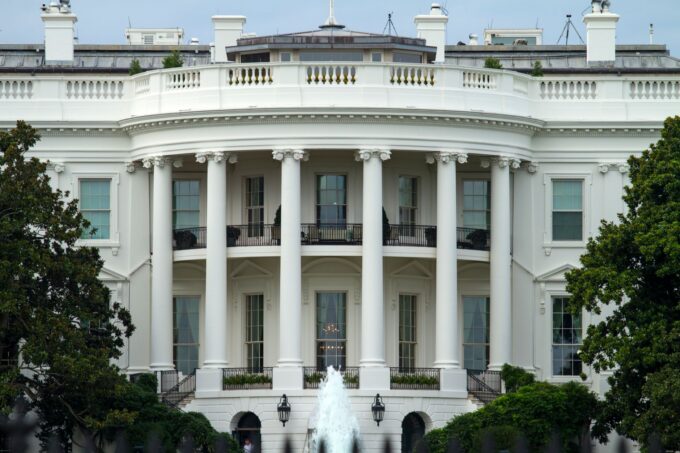
White House Responds to Trump’s Weight-Loss Drug Claims with Satirical Retort
The White House's reaction underscores the ongoing political tensions as Trump remains...
1 Mins read
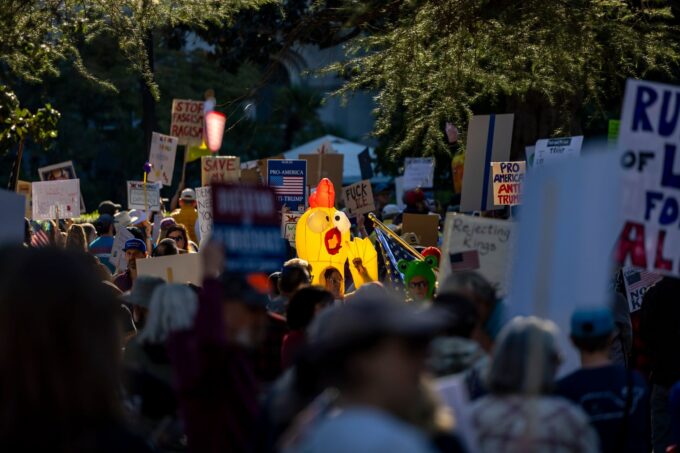
Trump’s ‘Regime Change’ Book Sparks Global Discourse on Political Influence
The release of Donald Trump's 'Regime Change' book ignites critical discussions on...
1 Mins read
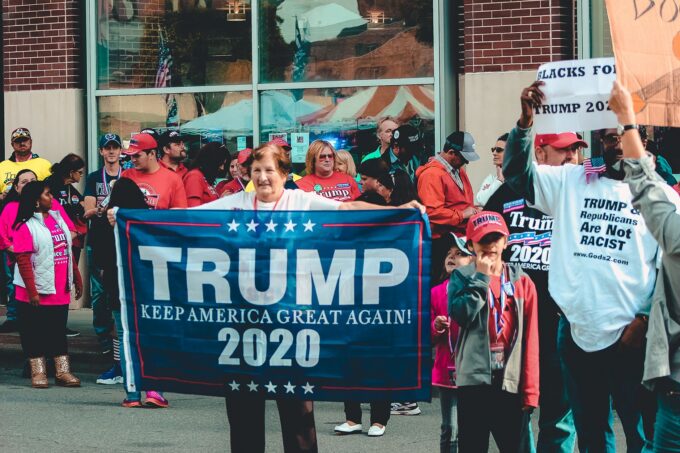


Trump Campaigns in Pennsylvania, Emphasizes Personal Narrative Ahead of Midterm Elections
Trump's campaign focus in Pennsylvania signals potential shifts in voter sentiment and...
1 Mins read
Leave a comment