
Trump’s White House Renovation Signals Shift in Political Landscape
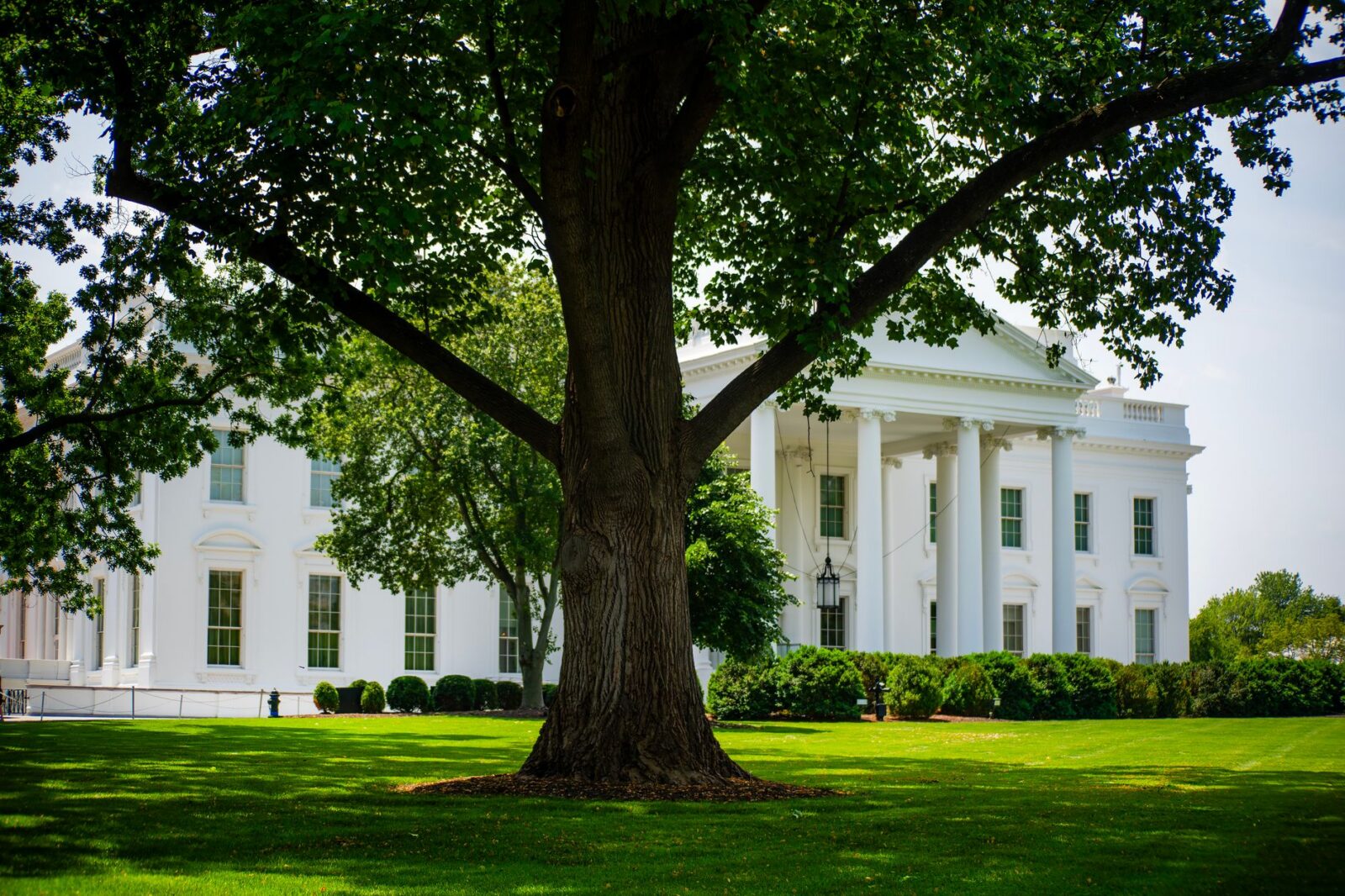
In a striking move that has captured international attention, former President Donald Trump has undertaken an extensive renovation of the White House, a residence and symbol of American power. This makeover, described as ‘gilded’ by critics, is not merely an aesthetic endeavor but a calculated strategy to reinforce Trump’s political influence as he eyes a potential return to the presidency in the 2028 election cycle.
The renovation includes opulent decor choices and significant alterations that reflect Trump’s brand of luxury and extravagance. These changes are seen as an attempt to solidify his image among supporters and to attract potential donors, particularly in a political climate increasingly marked by populist sentiments. Key figures in Trump’s orbit, including campaign strategists and influential donors, are reportedly involved in the project, emphasizing its importance in shaping the former president’s narrative as he seeks to reclaim the political spotlight.
This development matters on a global scale as it highlights the ongoing shift towards populism and the re-emergence of strongman politics in various democracies. Trump’s actions could embolden similar movements worldwide, as leaders in other nations observe the effectiveness of leveraging personal branding in political campaigns. The renovation may also serve to galvanize Trump’s base, potentially increasing voter turnout and engagement ahead of future elections.
Looking forward, the implications of this gilded renovation could extend beyond American borders. If successful, it may set a precedent for how political figures utilize their residences as tools for power consolidation and image crafting. Additionally, as the 2028 election approaches, the political landscape may grow more contentious, with Trump’s renovation serving as both a rallying point for supporters and a flashpoint for critics who view it as emblematic of elitism in politics.




Donald Trump Jr. Plans White House Wedding Amid Political Uncertainty
Donald Trump Jr.'s wedding plans raise questions about the future of political...
 1 Mins read
White House Refutes Claims of Trump’s Access to Experimental Weight Loss Drug
The denial of Trump's access to a novel drug raises questions about...
1 Mins read
Trump Faces Identity Crisis in America’s 250th Anniversary Year
The ongoing debate over national identity under Trump signifies a pivotal moment...
1 Mins read



Bo Nickal Discusses Insights from Donald Trump During White House Visit at Penn State
The exchange between Bo Nickal and Donald Trump highlights the intersection of...
1 Mins read
Leave a comment