
Exploration Meets Elegance: The Rolex Landing at the National Geographic Museum
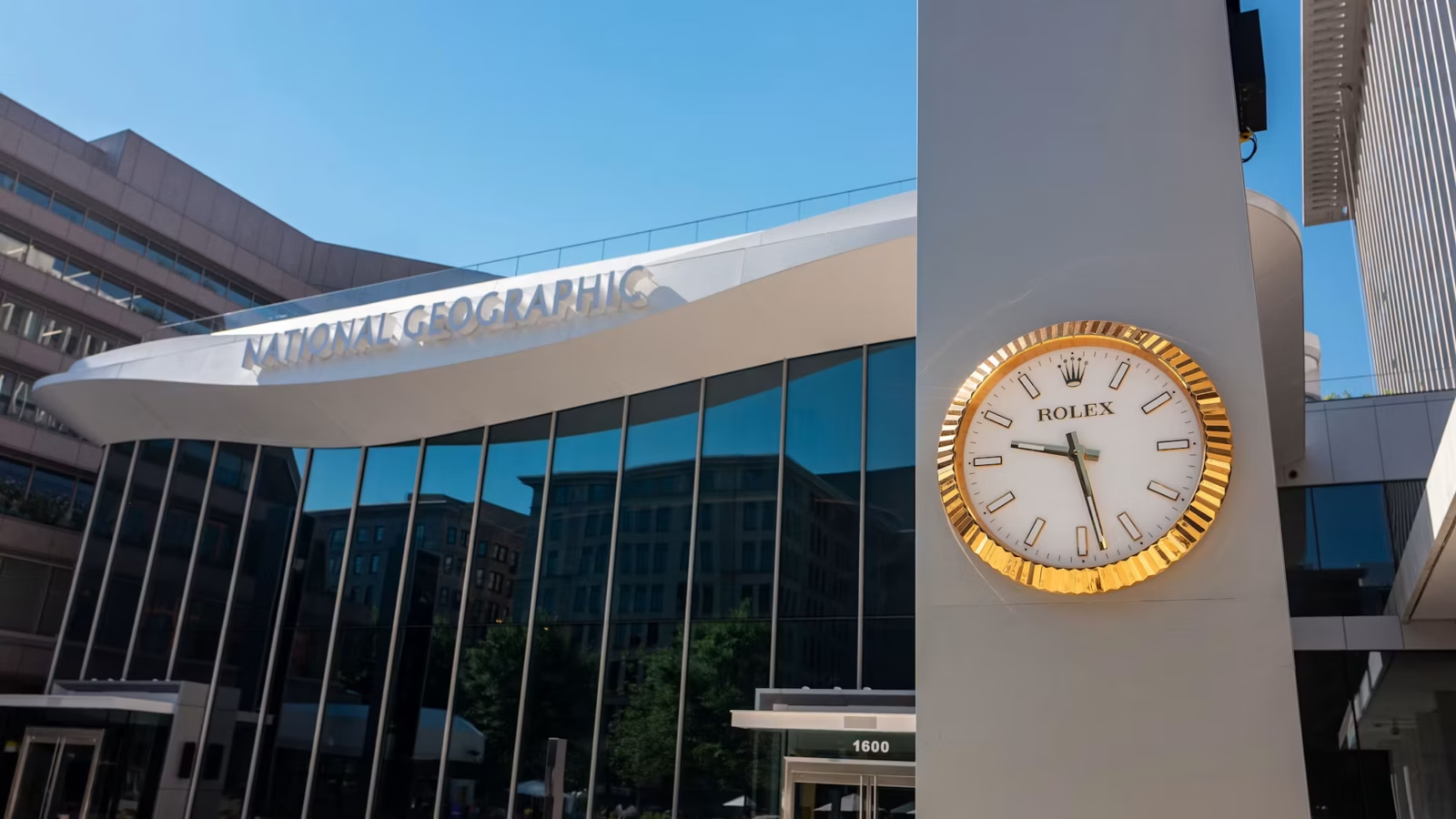
A New Chapter in Exploration
The grand unveiling of the National Geographic Museum of Exploration in Washington, D.C., marks a significant milestone not only in the realm of discovery but also in the esteemed collaboration with Rolex, a brand synonymous with precision and adventure. For over 70 years, Rolex has supported the National Geographic Society, embodying a shared commitment to exploration and storytelling.
A Journey Through Time and Space
As I entered the museum, the air was electrified with a sense of wonder. The space is more than just a gallery; it is a portal to the past, present, and future of exploration. One cannot help but marvel at the artifacts that line the halls—each piece telling its own story of human tenacity and curiosity. Among the highlights is Jacques Cousteau’s diving saucer, a remarkable relic from his 1964 documentary, “World Without Sun,” showcasing the innovative spirit of underwater exploration.
The museum houses numerous artifacts, including a bathysphere used by William Beebe to plunge into the depths of the ocean, and a mud-streaked Maruti Suzuki 4×4 utilized by Sandesh Kadur to track wildlife in India. Each item is a testament to the adventurous spirit that has driven pioneers to explore the uncharted territories of our planet.
The Rolex Landing: A Symbol of Commitment
At the heart of the museum lies the Rolex Landing, an expansive second-floor exhibit dedicated to showcasing the fruits of exploration. This space honors Rolex’s unwavering support with a generous contribution of $100 million, affirming the brand’s dedication to fostering a culture of inquiry and discovery. The Rolex Landing features a diverse range of artifacts, including a lion tracking collar and film cameras that have captured the essence of adventure through the lens of National Geographic photographers.
However, one might expect a collection of iconic Rolex watches to accompany these artifacts, given the brand’s storied history with explorers. Surprisingly, the only timepiece on display is the Deepsea Challenge, designed for James Cameron’s record-breaking submersible journey. This choice reflects a thoughtful restraint, allowing the museum’s focus to remain on exploration rather than commercialism.
Experiencing the Depth of Exploration
The museum offers more than just static displays; it invites visitors to engage with its interactive exhibits, enriching the experience of exploration. One particularly poignant installation is Joel Sartore’s Photo Ark: Animals of Earth, which immerses guests in a visual journey showcasing endangered species. As the number of species in peril climbs, this exhibit serves as a reminder of the fragility of our planet and the importance of conservation.
For enthusiasts of exploration, the museum is a treasure trove. Although my visit was brief, it was clear that the National Geographic Museum is a sanctuary for those who seek to understand the intricate relationship between humanity and the natural world. Each corner of the space beckons visitors to delve deeper and uncover the stories behind each artifact.
A Legacy to Cherish
The Rolex Landing is not merely an exhibition; it is a celebration of the spirit of adventure that inspires generations to explore beyond the horizon. The partnership between Rolex and National Geographic embodies a legacy that intertwines craftsmanship, artistry, and a passion for discovery. As the museum prepares to open its doors to the public, it invites a new generation to dream, explore, and appreciate the beauty of our world.
The National Geographic Museum of Exploration will officially open on June 26th, offering an unparalleled opportunity to experience the rich history and future of exploration. As we step into this new chapter, we are reminded that exploration is not just about the destinations we reach but also the stories we uncover along the way.



Audemars Piguet Launches High Jewelry Line to Elevate Luxury Offerings
The Swiss luxury watchmaker Audemars Piguet announces a new High Jewelry line,...
 2 Mins read
Audemars Piguet Launches First Jewelry Line: The Royal Oak Joaillerie Collection
The luxury watchmaker Audemars Piguet has unveiled its inaugural jewelry line, marking...
1 Mins read
Audemars Piguet Launches First Jewelry Line Targeting Female Buyers
The luxury watchmaker Audemars Piguet has unveiled its inaugural jewelry line aimed...
1 Mins read



Watches Of Switzerland Group Launches First Joint-Retail Space at Centurion Jewelry Show
The Watches Of Switzerland Group has opened its inaugural joint-retail space at...
2 Mins read
