
Russia and Ukraine Engage in Escalating Military Confrontations Amid NATO Leadership Talks
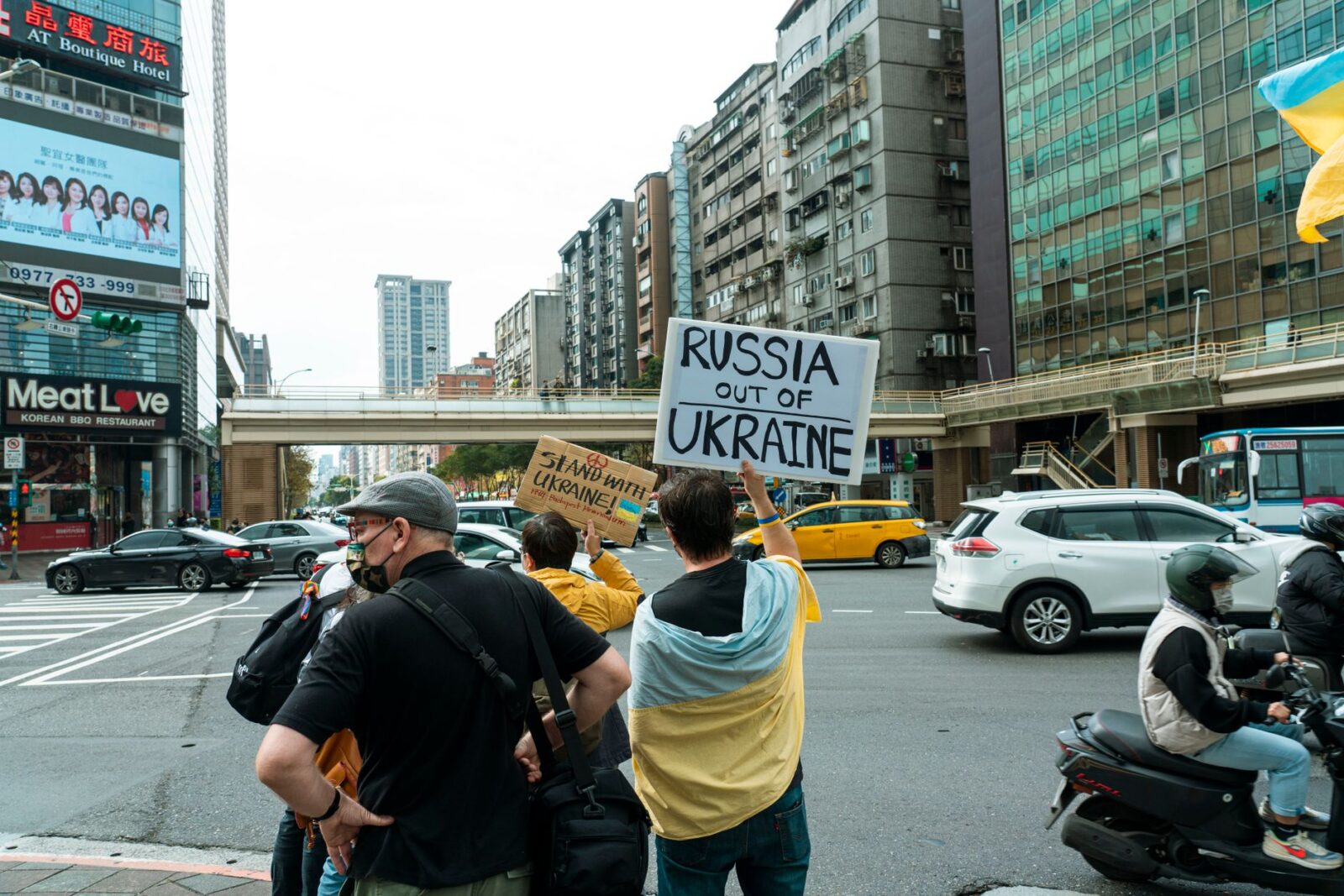
In a significant escalation of military confrontations, Russia and Ukraine have exchanged deadly strikes over the past 48 hours, intensifying the ongoing conflict that has persisted since 2014. Reports indicate that both sides have suffered casualties, with Ukraine confirming multiple attacks on key military installations in the Luhansk region. In retaliation, Russian forces have targeted Ukrainian positions near Donetsk, resulting in civilian casualties and further straining an already volatile situation.
The backdrop to these developments is underscored by NATO Secretary-General Mark Rutte’s high-profile meeting with former U.S. President Donald Trump, who has been a polarizing figure in international relations. Their discussions are expected to focus on NATO’s collective defense strategy and the alliance’s response to Russian aggression in Eastern Europe. This meeting comes at a crucial juncture as NATO seeks to reinforce its commitment to member states and bolster security measures in the face of increasing threats from Moscow.
This exchange of fire between Russia and Ukraine is not merely a regional concern; it has profound implications for global security. The conflict threatens to destabilize Europe, and the potential for a broader confrontation raises alarms among NATO allies. As countries reassess their military readiness and diplomatic strategies, the international community is watching closely to gauge the responses from both NATO and Russia.
Looking ahead, the situation remains precarious. Should the military exchanges escalate further, it could prompt a more robust intervention from NATO, potentially leading to direct confrontations. Conversely, if diplomatic channels are effectively utilized during Rutte and Trump’s discussions, there may be an opportunity to de-escalate tensions. The world remains at a critical crossroads, where the decisions made in the coming days could shape the geopolitical landscape for years to come.
Source: News24








Trump’s Alleged Remarks About Netanyahu Stir Controversy Amidst U.S.-Israel Relations
The alleged comments by Trump could reshape perceptions of U.S.-Israel relations and...
 1 Mins read

UN Experts Accuse Israel of Targeting Children in Gaza, Reinforce Genocide Claims
The international community grapples with escalating accusations against Israel amid ongoing conflict...
1 Mins read

IDF Engages in West Bank Operation, Resulting in Palestinian Fatality
The IDF's actions in the West Bank heighten tensions amidst ongoing Israeli-Palestinian...
1 Mins read



UN Experts Accuse Israel of Targeting Children in Gaza, Renew Genocide Allegations
UN experts' accusations against Israel highlight urgent global concerns over civilian safety...
1 Mins read
Leave a comment