
Beyond the Canvas: The Eco-Conscious Initiatives of Tate Britain and Turner Contemporary

Art Meets Environment: A Transformative Journey
In an era where the dialogue surrounding climate change and environmental sustainability has taken center stage, esteemed institutions like Tate Britain and Turner Contemporary are stepping beyond the confines of their galleries. These pivotal art establishments are embracing their responsibilities to both the art world and the planet, embarking on innovative projects that intertwine artistic expression with ecological stewardship.
Harvesting Nature: Tate Britain’s Sustainable Garden
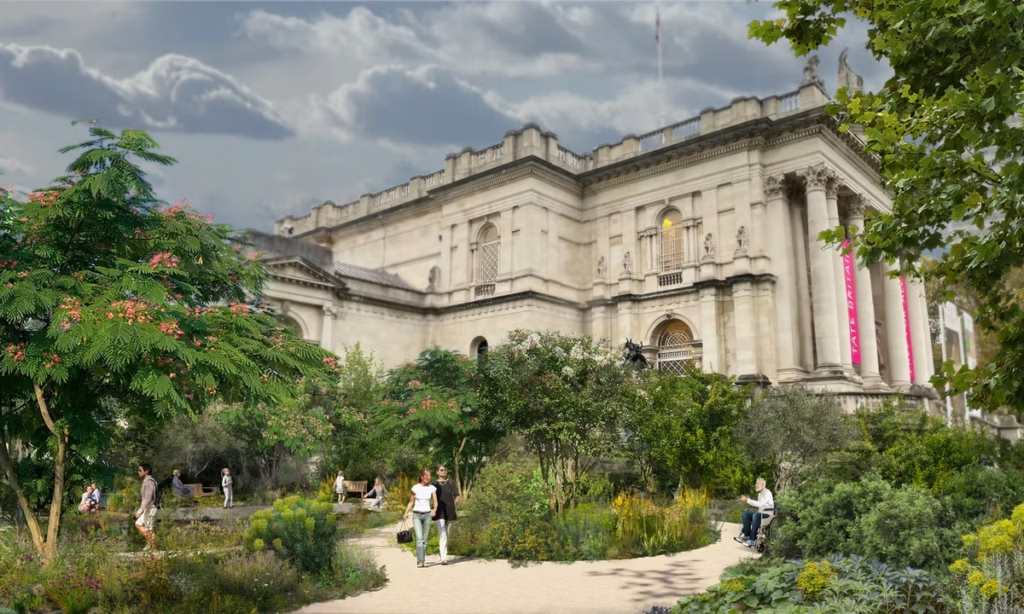
Tate Britain, an iconic bastion of British art, has recently unveiled plans for an ambitious sustainable garden. This initiative is not merely a green space; it is a conceptual landscape designed to promote biodiversity while showcasing the intricate relationship between art and nature. The garden will serve as a living canvas, inviting visitors to engage with the environment in a profound way.
As urban environments evolve, the importance of such green initiatives cannot be overstated. Tate Britain’s garden will feature native plant species that support local wildlife, thus creating a sanctuary that reflects the institution’s commitment to sustainability. By fostering this connection, Tate aims to inspire visitors to consider their own environmental impact and the role art plays in advocating for a healthier planet.

Oceans of Change: Turner Contemporary’s Biennial Summit
Meanwhile, Turner Contemporary in Margate has launched a biennial summit that delves deep into the pressing issues facing our oceans. This initiative goes beyond mere discourse; it aims to galvanize action and bring together artists, scientists, and environmental advocates to address the crises threatening marine ecosystems.
The summit serves as a platform for interdisciplinary collaboration, merging the worlds of art and science to foster innovative solutions. By engaging with the artistic community, Turner Contemporary emphasizes that art can serve as a catalyst for change, encouraging audiences to reflect on their relationship with the ocean and the urgent need for conservation.
Investment in the Future: Cultural Significance and Market Implications
As art collectors and investors increasingly recognize the cultural significance of sustainability, the initiatives of Tate Britain and Turner Contemporary offer valuable insights into the evolving landscape of art patronage. Collectors are becoming more discerning, seeking not only aesthetic value but also the ethical implications of their acquisitions. Art that resonates with environmental consciousness is gaining traction, reflecting a broader societal shift towards sustainability.
This trend can have profound implications for collectors. As provenance becomes a key factor in the value of art, pieces linked to eco-conscious initiatives or artists known for their environmental advocacy may command higher prices in the marketplace. Collectors who align their investments with sustainable practices can enhance their legacies while supporting movements that resonate with modern ethical standards.
A Legacy of Responsibility: Artists and Their Impact
Artists play a crucial role in this dialogue, often serving as the voice of the environment. By incorporating ecological themes into their work, they not only raise awareness but also inspire action. The legacies of artists who prioritize sustainability will endure, influencing future generations and shaping the narrative of contemporary art.
Moreover, as institutions like Tate Britain and Turner Contemporary champion these initiatives, they reinforce the idea that art can transcend its traditional boundaries. The engagement of artists with ecological themes presents a unique opportunity for collectors to invest in works that embody both aesthetic beauty and a commitment to social responsibility.
Miami’s Cultural Landscape: A Model for Eco-Conscious Engagement
Miami, with its vibrant art scene and coastal geography, stands at the forefront of this ecological movement. Local galleries and institutions can draw inspiration from Tate Britain and Turner Contemporary, integrating sustainability into their programming and exhibitions. The fusion of art and environmental consciousness is not just a trend; it is a necessary evolution in the cultural dialogue.
As collectors in Miami become increasingly aware of the importance of sustainability, the potential for innovative partnerships between artists, galleries, and environmental organizations can drastically reshape the local art market. This synergy can create a community that values not only the beauty of art but also its potential to effect positive change.
Conclusion: A Call to Action
The initiatives undertaken by Tate Britain and Turner Contemporary are more than just artistic endeavors; they are vital contributions to the global conversation about sustainability. As art continues to evolve in response to societal challenges, these institutions exemplify how the arts can be a powerful force for environmental advocacy.
As we navigate the complexities of the modern world, let us embrace the lessons from these pioneering institutions. Through art, we can cultivate a deeper understanding of our collective responsibility to the planet, fostering a legacy that honors both creativity and ecological integrity.
Editorial note: This article was created by A Bit Lavish Miami’s Magazine as an original editorial reinterpretation based on publicly available reporting. Original source: theartnewspaper.com. Read the original article here: https://www.theartnewspaper.com/2026/06/25/tate-britain-and-turner-contemporary-take-their-eco-missions-beyond-the-gallery-walls.
Images are used for editorial reference with source credit. If an image requires correction or removal, please contact A Bit Lavish.




Houston’s Art Renaissance: A Canvas of Opportunity
Exploring Houston's burgeoning art scene through the lens of the recent Untitled...
 ABL2 Mins read

Harvesting Talent: Atlanta Art Fair’s Flourishing Platform for Local Artists
Explore how the Atlanta Art Fair is nurturing local talent and shaping...
ABL2 Mins read

Stolen ‘Walking Dead’ Comic Book Resurfaces at Pawn Shop, Seller Linked to Another Theft
A valuable comic book linked to a recent theft has surfaced at...
 2 Mins read



The Eternal Allure of Jean Schlumberger: A Legacy Reimagined
Explore the lasting impact of Jean Schlumberger's innovative jewelry design as Tiffany...
2 Mins read
