
U.S. Supreme Court Rules Migrants Cannot Apply for Asylum from Mexico Side of Border
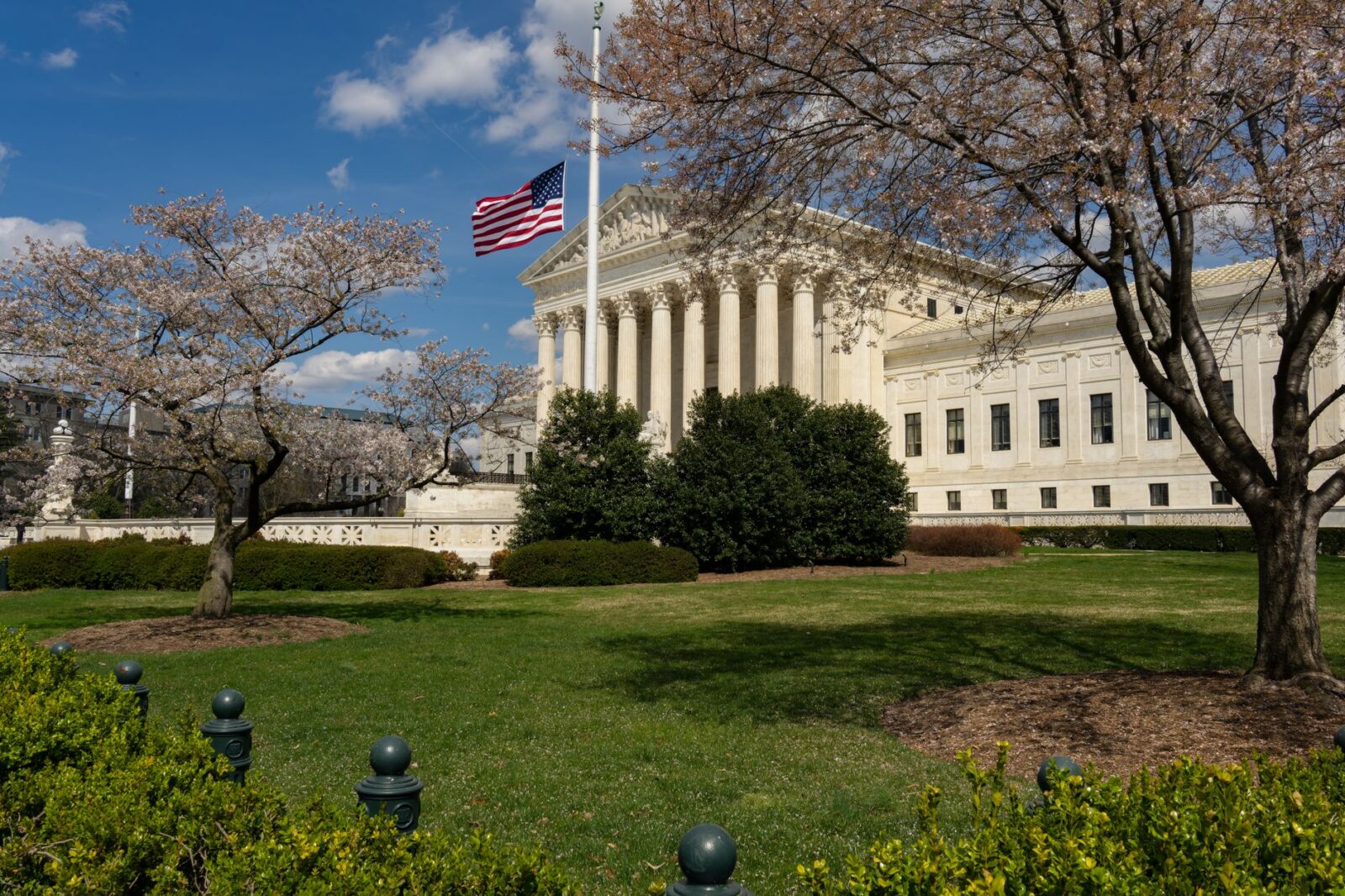
The U.S. Supreme Court has issued a pivotal ruling on June 25, 2026, determining that migrants are not entitled to apply for asylum while standing on the Mexican side of the U.S.-Mexico border. This decision comes amid an ongoing debate about immigration policy and the legal rights of individuals seeking refuge. The case was brought forth by several advocacy groups arguing that the right to seek asylum should be protected regardless of geographic location, particularly in a context where many are fleeing violence and persecution.
In a closely watched decision, the Court’s majority opinion underscored the necessity of physical presence within U.S. borders to initiate asylum proceedings. This ruling effectively narrows the pathways for migrants attempting to seek asylum, placing additional barriers on those who are already vulnerable. The implications of this decision extend beyond the immediate legal framework; it reflects a broader trend in U.S. immigration policy that has been tightening under successive administrations.
This ruling holds significant global relevance, as it signals a shift in how the United States approaches asylum seekers, potentially influencing the policies of other nations regarding immigration and refugee status. As countries grapple with increasing numbers of displaced individuals due to conflict and climate change, the U.S. decision may embolden similar restrictive measures worldwide, impacting international norms surrounding refugee protection.
Looking ahead, this ruling may catalyze further legal challenges from human rights organizations and could provoke a diplomatic response from Mexico and other Latin American nations that have been affected by U.S. immigration policies. The ruling’s impact on the flow of migrants to the U.S. remains to be seen, but it is likely to exacerbate the already complex dynamics of migration across the Americas.
Source: The Washington Post








Trump’s Rally Attendance Declines Amidst Fox’s America 250 Campaign Controversy
The low turnout at Trump's rally highlights shifting political dynamics and the...
 1 Mins read

Trump’s Reflecting Pool Renovation Faces Escalating Costs and Complications
The ongoing renovation of Trump’s Reflecting Pool underscores the complexities of public-private...
1 Mins read

Health Crisis Deepens as Doctor Raises Alarm on Trump’s Concealed Condition
The global community must scrutinize the implications of a potential health crisis...
1 Mins read


Donald And Melania Trump Engage In Disputes Over White House Renovation Plans, New Book Uncovers
The ongoing discord between Donald and Melania Trump over White House renovations...
1 Mins read

Leave a comment