
Supreme Court Upholds Trump Administration’s Decision to End Protections for Haitian and Syrian Migrants
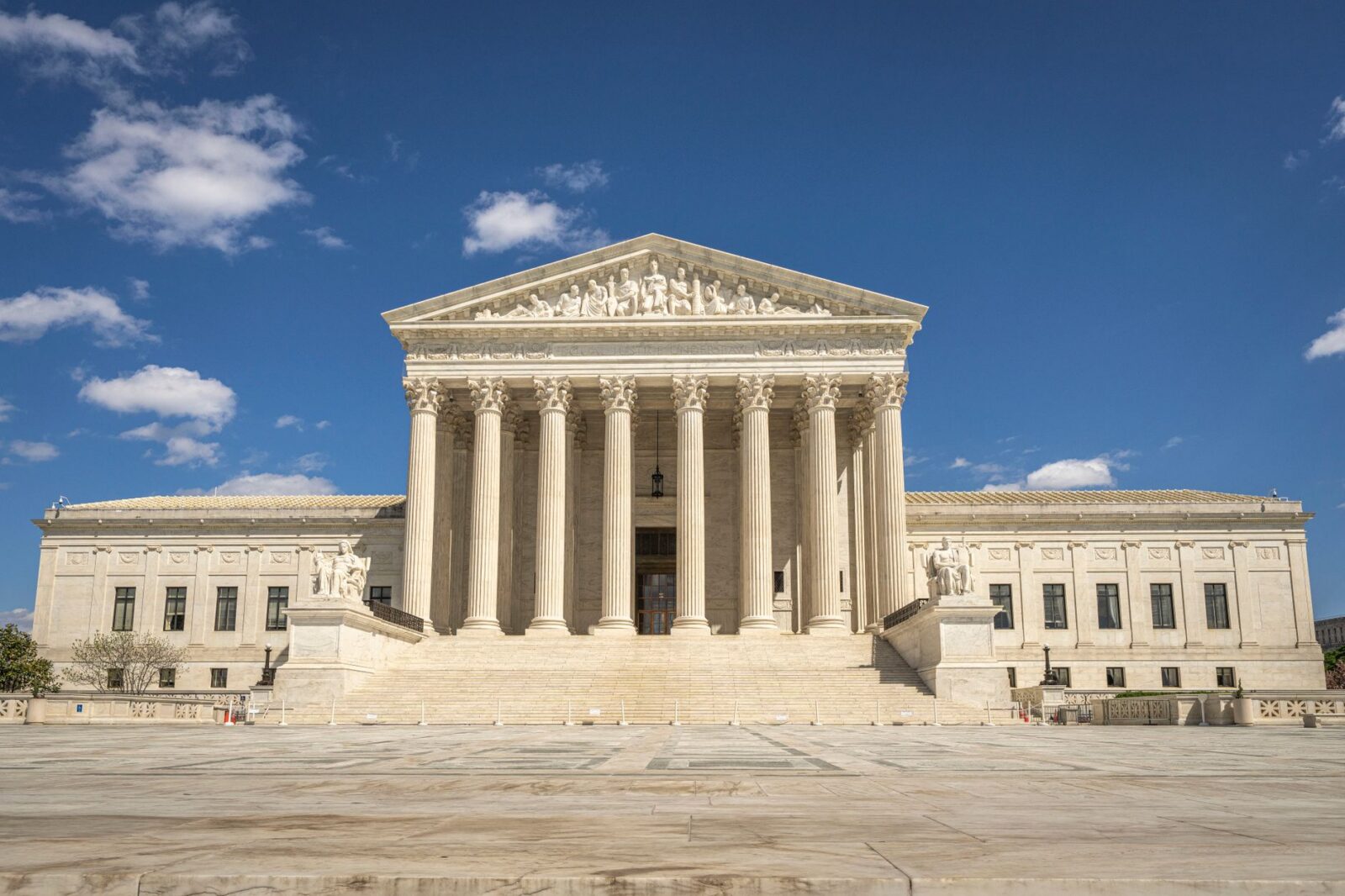
On June 25, 2026, the Supreme Court of the United States affirmed the Trump administration’s decision to terminate temporary protected status (TPS) for Haitian and Syrian migrants. This ruling allows for the cessation of protections that had been afforded to these groups due to dire conditions in their home countries, including natural disasters and ongoing conflicts.
The decision directly affects approximately 300,000 individuals, with around 50,000 from Haiti and 10,000 from Syria, who have been living in the U.S. under TPS provisions. The court’s ruling underscores a significant shift in immigration policy under the current administration, which has sought to dismantle various protections established for vulnerable populations. Chief Justice John Roberts, along with Justices Alito, Kavanaugh, and Barrett, formed the majority opinion, emphasizing the administration’s authority in immigration matters.
This ruling is critical as it raises pressing questions about the U.S.’s commitment to humanitarian principles and international obligations. The termination of TPS for these groups could lead to mass deportations, placing individuals at risk of violence and instability upon return to their home countries. Furthermore, this decision may influence the broader discourse on immigration reform and the U.S.’s role in global humanitarian efforts, particularly as debates intensify in the lead-up to the 2026 midterm elections.
Looking ahead, the implications of this ruling could extend beyond immediate deportations. Advocacy groups are likely to mobilize in response, and legal challenges may emerge, seeking to reinstate protections based on humanitarian grounds. Additionally, this ruling may set a precedent for future immigration policies and could galvanize public opinion, prompting calls for comprehensive reform to address the complexities of immigration law and the protection of vulnerable populations.
Source: The Washington Post









Trump’s Rally Attendance Declines Amidst Fox’s America 250 Campaign Controversy
The low turnout at Trump's rally highlights shifting political dynamics and the...
 1 Mins read

Trump’s Reflecting Pool Renovation Faces Escalating Costs and Complications
The ongoing renovation of Trump’s Reflecting Pool underscores the complexities of public-private...
1 Mins read

Health Crisis Deepens as Doctor Raises Alarm on Trump’s Concealed Condition
The global community must scrutinize the implications of a potential health crisis...
1 Mins read


Donald And Melania Trump Engage In Disputes Over White House Renovation Plans, New Book Uncovers
The ongoing discord between Donald and Melania Trump over White House renovations...
1 Mins read

Leave a comment