
Supreme Court Upholds Trump Administration’s Immigration Policies in Landmark Rulings
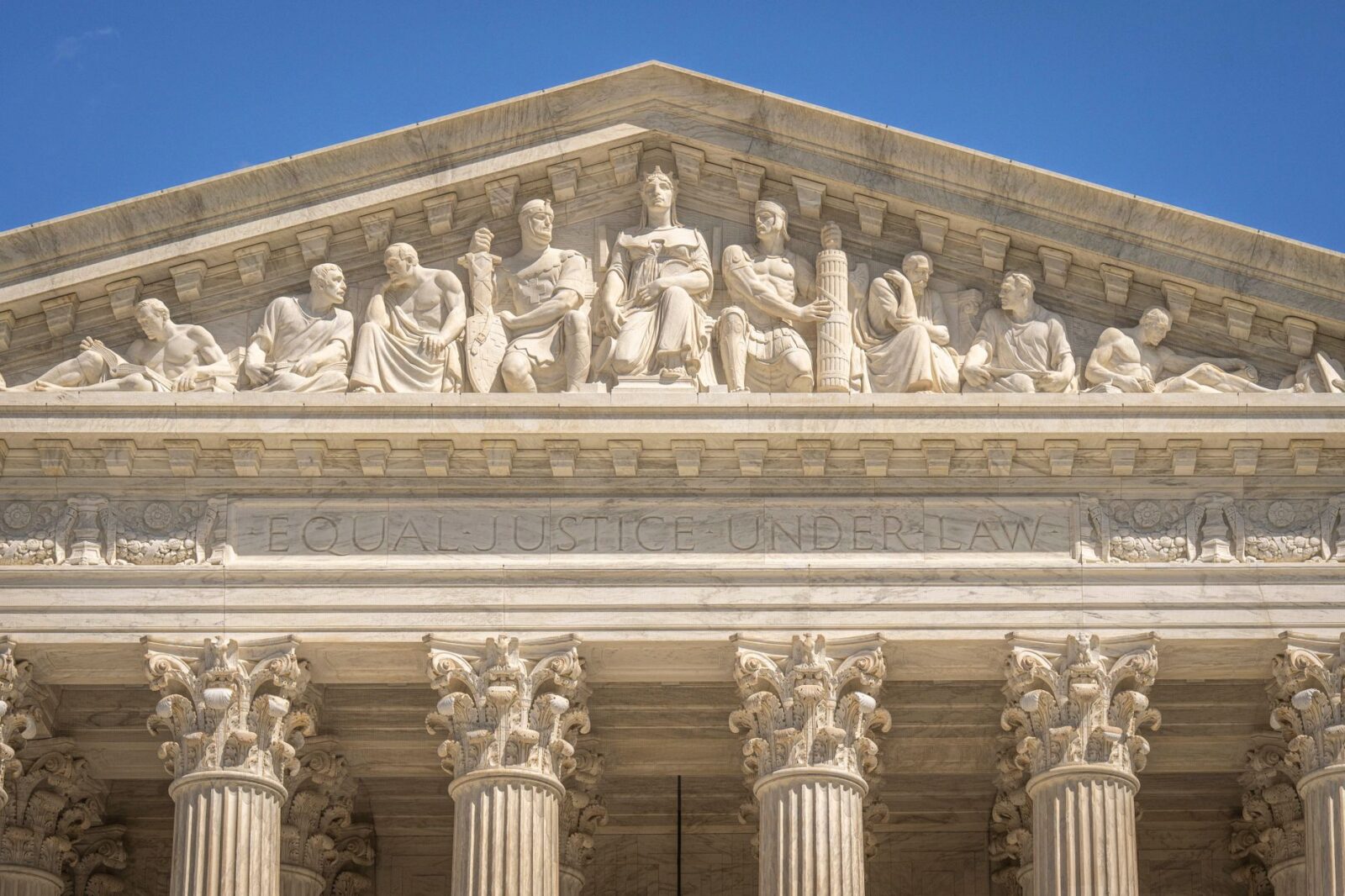
On June 26, 2026, the United States Supreme Court delivered a pivotal ruling in favor of the Trump administration concerning two critical immigration cases. The decisions reinforce the administration’s stringent immigration policies, which have been a cornerstone of its agenda since taking office. This ruling is particularly significant as it reflects the ongoing ideological battle within the American judiciary over immigration, a topic that has profound implications not only for the United States but also for global migration patterns.
The cases in question involved challenges to the administration’s authority to enforce strict immigration measures that include expedited deportations and limitations on asylum applications. The Court’s majority opinion, which aligns with the administration’s stance, underscores a legal endorsement of policies that critics argue exacerbate humanitarian crises. This ruling solidifies the executive branch’s power in shaping immigration law, potentially setting a precedent for future administrations.
This development is crucial as it comes at a time when international migration is on the rise due to various global crises, including conflict, economic instability, and climate change. The decisions may deter migrants from seeking refuge in the U.S., thereby influencing migration flows to neighboring countries and changing the dynamics of global humanitarian responses. With the Court’s backing, the Trump administration is likely to continue pursuing aggressive immigration policies, which may provoke further legal challenges and public protests.
In the coming weeks, stakeholders from various sectors, including human rights organizations and immigration advocacy groups, are expected to mobilize in response to these rulings. The implications of the Supreme Court’s decisions could resonate beyond the U.S. border, impacting diplomatic relations and international agreements on migration. As the world watches, the administration’s next steps will be critical in shaping both domestic and international perceptions of the United States’ commitment to human rights and its role in global migration governance.
Source: WRAL








Federal Judge Blocks Trump Administration’s Obesity Initiative Amid White House Response
The ruling highlights ongoing tensions in U.S. health policy and its global...
 1 Mins read

Trump Demands Election Reforms as Condition for Signing Affordable Housing Bill
Trump's ultimatum on housing legislation highlights the intersection of housing policy and...
1 Mins read

DOJ Disqualification Request Denied in Trump Correspondents Dinner Case
The denial of the DOJ's request underscores ongoing legal complexities surrounding former...
1 Mins read


Supreme Court Rulings Empower Trump Administration in Immigration Policy
The Supreme Court's recent decisions grant the Trump administration significant authority over...
1 Mins read
Leave a comment